s13 (Ch 13) The Olivet Discourse (studied 11-Nov-2025)
The Book of Mark with Dr. Chuck Missler
The subsections of Chapter 13 (per LSB) are:


- This is widely recognized as one of the most difficult passages in Scripture and the source of confusion among many prophetic points of view
— It requires a perspective of all of the rest of prophetic Scripture
— One of the reasons the eschatology, the study of end times, is so difficult and challenging is because it requires to have a grasp of God’s whole plan. Eschatology is really the climax of God’s dealing with mankind. We always must avoid the one-verse-theology. A view on anything Biblical should fit into everything else said about it. That’s why it is so challenging, especially with anything regarding the end times
- Matthew’s account is the more detailed. (Remember, he had shorthand skills!)
- Warning: Do not confuse Luke 21 with the Olivet Discourse (Matthew 24 and Mark 13)
—while Luke 21 includes similarities, it was on a different occasion, to a different audience…

- There are those—and I am among them—that believe that the believers in the present age of the Church will be “raptured” by Christ and taken to heaven before the events of “the (Great) Tribulation” begin (vv.5-27)
- This strange idea of harpazo is undoubtedly the most bizarre notion in Scripture, but is clearly explained by Paul in 1 Thess 4:13-5:11, 1 Cor 15:51-55, Rev 3:10-11
- It is at the close of this Tribulation that Christ returns to the earth with these believers to reign with Him (Rev 19:11-20:6)
- [This strange view—but one we clearly believe is true—is detailed in our briefing package, The Rapture]
Mark 13:1 Signs of Christ’s Return
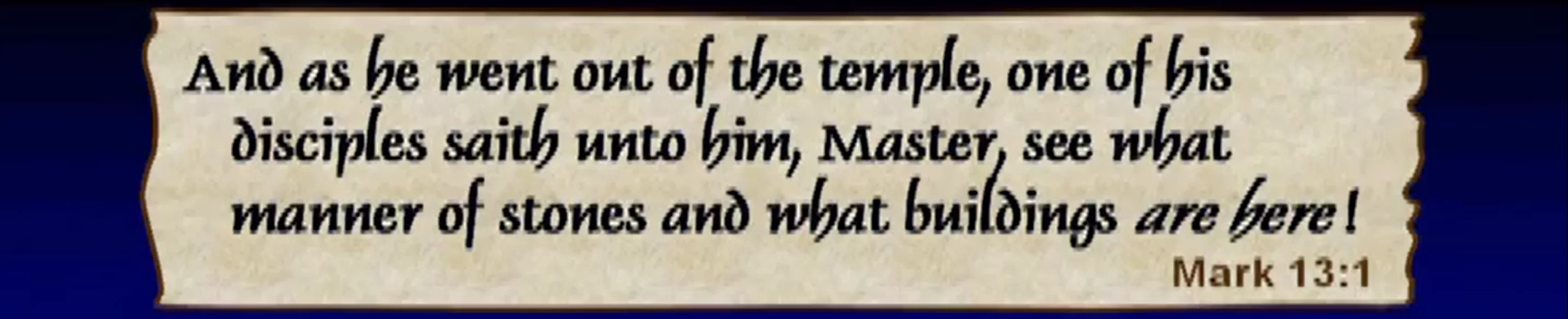
- They had reason to be proud of this incredible edifice:
— [even in the translation, you can almost feel the buttons on their chest getting strained]
— Herod had it built to placate (make less angry or hostile, appease) the Jews (he was Idumean, not Jewish)
— To the Romans, Idumean was Jewish and thru complicated politics, Romans appointed him as king of the Jews
— Jews resented Herod, so he tried to offset that by a huge building program, among which was the expansion of Nehemiah’s Temple (the 2nd Temple; 1st Temple built by Solomon was destroyed by the Babylonians)
— Some people think this was Herod’s Temple (3rd Temple), but that’s not true. Herod only remodeled/expanded it
— It was 46 years in the building (John 2:20) and was nearing completion, but wasn’t quite completed yet
- Yet Jesus had given His opinion of it when He drove money changers out (Mark 11:15-17)
Mark 13:2
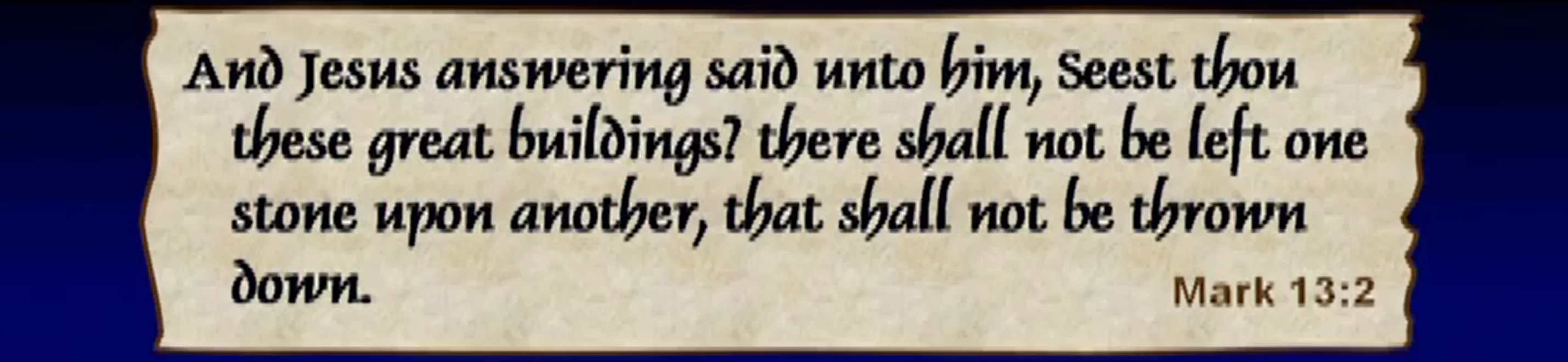
- The Jewish leadership had defiled it; Jesus had overturned it and pronounced it desolate (Matt 23:38)
- The Romans would destroy it in a literal fulfillment 38 years later… (Cf. Matt 12:6)
— Fall of Jerusalem in 70 AD (major milestone in Jewish history)
Mark 13:3

- Mark tells us precisely which disciples were present in this private briefing (Matt 24:3 does not give names)
- This is the very place that the Shekinah glory had departed from the Temple 600 years earlier (Ezek 11:22-25)
- It would also be the spot upon which the Lord would return (Zech 14:4f) “f” means “and following”
- Btw, don’t assume that is the first place He touches when He gets back. Isa 63 describes Him coming back to Petra to rescue the Jewish remnant who has fled there for a refuge, and He is covered with blood of His enemies…
- Only these four were here; this confidential briefing is also recorded in Matthew 24-25
— Not the same audience as in Luke 21:5-36
Anointed Messianic Network YouTube channel: Messianic Jewish Worship Song, Whisper of the Ruach (Shekinah)
Shekhinah, rest upon me; Let Your glory gently fall; Wrapped in tzitzit of mercy, I surrender, I give all
Yeshua, Light eternal, Shine within, dissolve the night; אֲדֹנָי(Adonai), my refuge tower, Hold me in Your ancient light
Like a whisper of the Ruakh, You restore my soul again; I will dwell beneath Your shadow, Now and evermore, amen
Mark 13:4

- This difficult passage must be viewed in the light of the rest of Scripture: “The whole counsel of God”
— “For I have not shunned to declare unto you all the counsel of God.” (Acts 20:27)
- “The whole counsel of God” is the best protection against heresies, misconceptions and false teachings
- A view that is expressed has to be reconciled to what the rest of the Scripture says
- Your views about the end times will derive from how seriously (literally) you take the text
- Allegorization is a license to invent (there is an expression in the computer industry: If you torture the data long enough, it will confess to anything)
- Chuck has revised his views many times (in the last 60 years) as he learned. But it was always in the direction of taking the Scripture text more literally than before. He has become more and more extreme over time — he believes that every number, every letter, every place name is there deliberately by design. The great challenge is to find out why
Part One: The Beginning (Mark 13:5-13 || Matt 24:4-14)

Mark 13:5

- Jesus begins and ends each of these discussions (prophetically), with a warning not to be deceived
- The question then should be: “How do I do that?” — the whole counsel of God is part of the answer
- Jesus’ briefing was for some very practical and personal reasons:
‼️ — “Take heed” against deception is the primary emphasis
Mark 13:6

- That will be echoed later on in this chapter — cf. vv. 21-22 (Mark 13:21-22)
- History is replete with examples of emergence of false teachers near the end:
— Jesus warned about false prophets in Matt 7:15-20
— Paul also did in Acts 20:28-31
— as did John in 1 John 4:1-6
- “A lie runs around the world while Truth is still putting on her shoes.” —Mark Twain
- “A lie can travel halfway around the world before the truth has a chance to get its boots on.” — Jonathan Swift
Mark 13:7

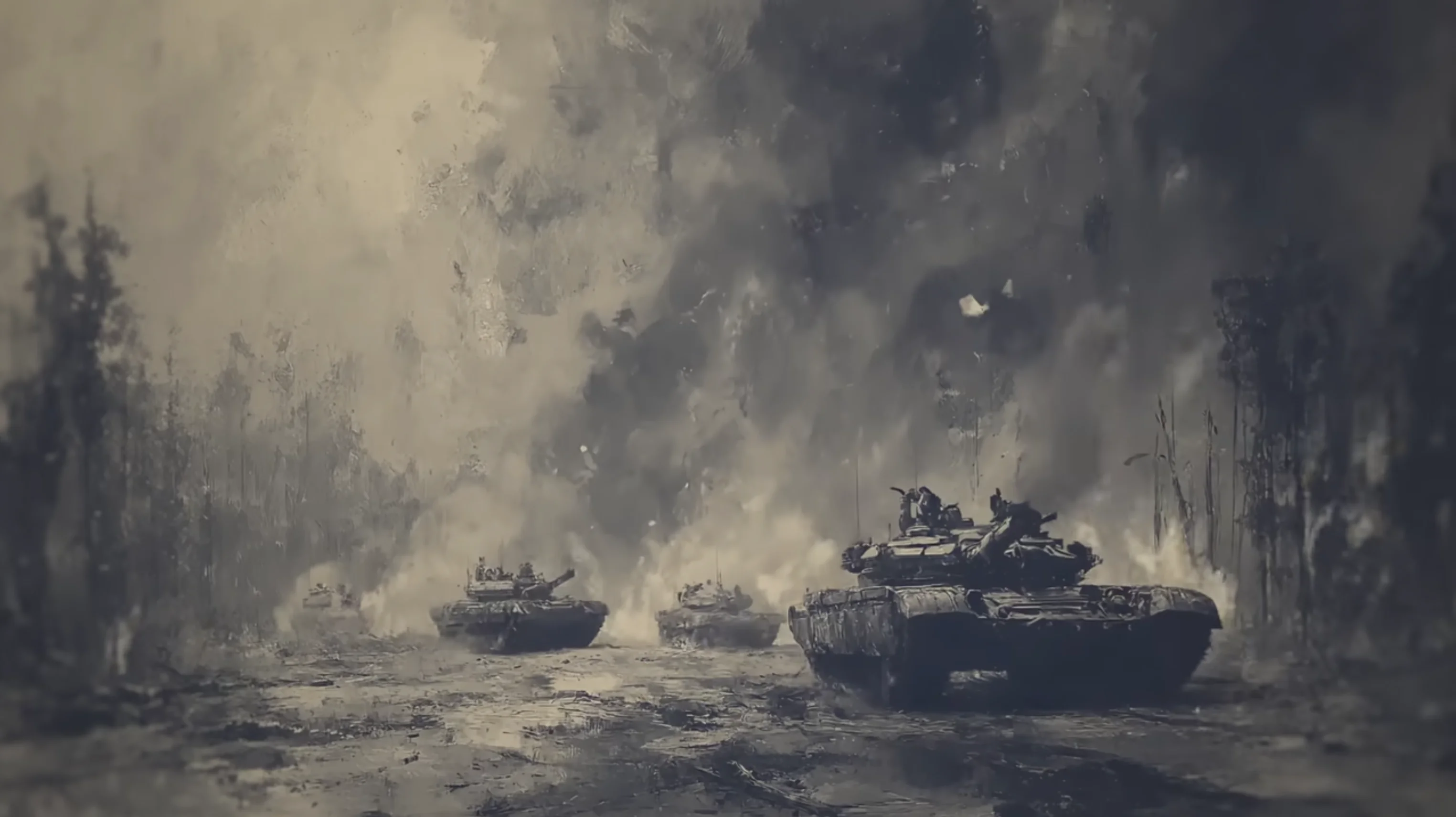
- “…the end shall not be yet”: Pax Romana was coming to an end (AI: a roughly 200-year period of relative peace and stability in the Roman Empire, from 27 BC to 180 AD)
— In the last 3,421 years of recorded history only 268 have seen no war. —Will Durant
— Human history is a history of violence
— 20th century has been the most violent century in the history of men
- So many people use “wars and rumors of wars” as a prophetic sign. These are not signs. These are “non-signs”
Mark 13:8
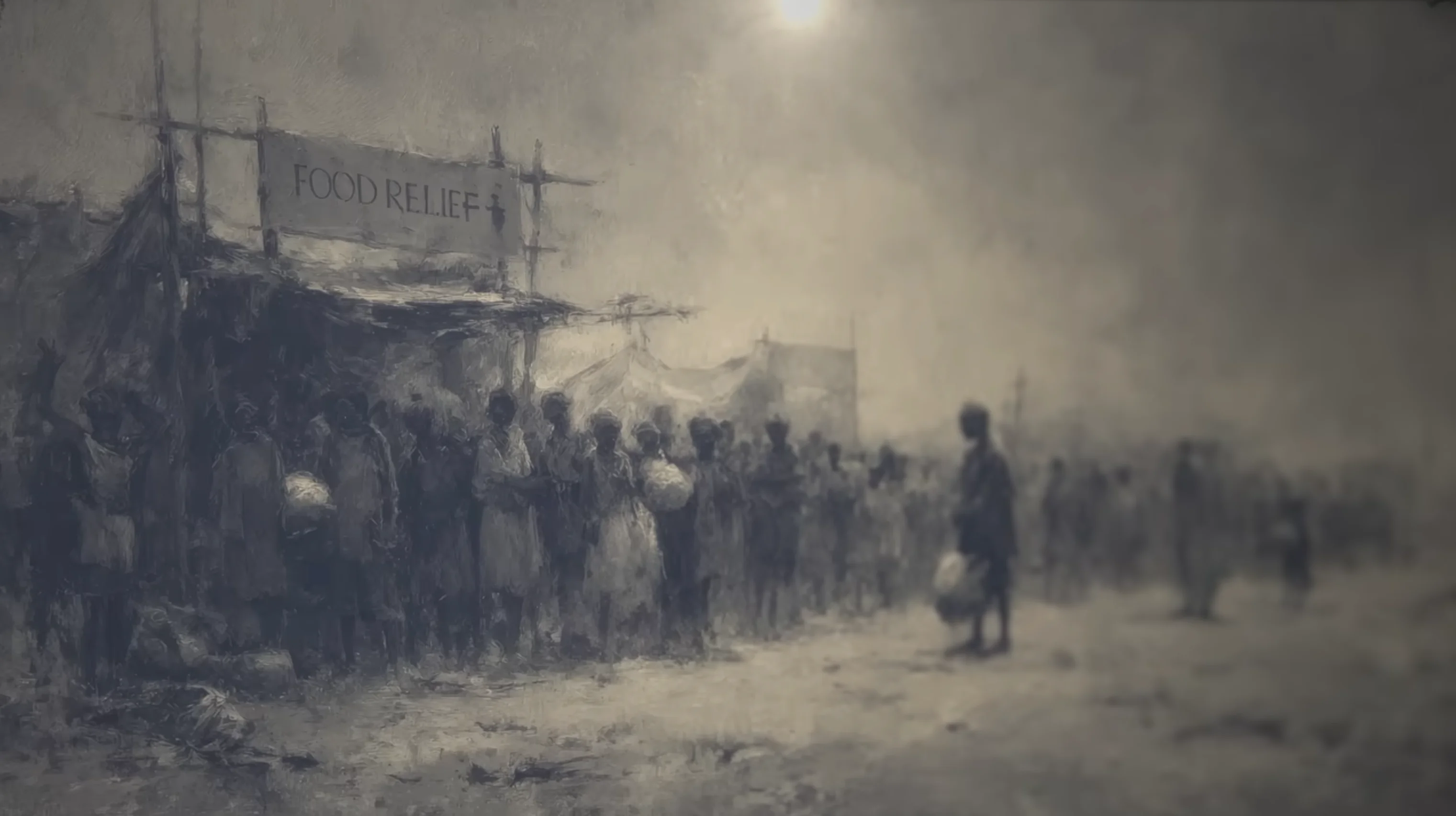
- “…beginnings of sorrows”: “Beginnings of birthpangs” ὠδίν (odin), the pain of childbirth, travail, pain; intolerable anguish (Cf. Isa 13:6-8, Jer 4:31, Jer 6:24, Jer 13:21, Jer 22:20-23)
- What is characteristic about woman in labor (childbirth) pain? It increases in intensity and frequency
- This suggests that they will come suddenly, build up gradually, increasing in intensity
Mark 13:9
- Notice the Jewish complexion here (even though Mark writes to Gentiles): Jewish councils, synagogues etc
Mark 13:10

- This verse is what motivates the Wycliffe translators: “2,000 tongues to go” — Wycliffe’s challenge
- That was 30 years ago. Now may be down to 1,500. They are working hard to fulfill on their commitment
- What they are overlooking is that the fulfillment may only occur with the Gospel angel (Cf. Rev 14:6)
Mark 13:11
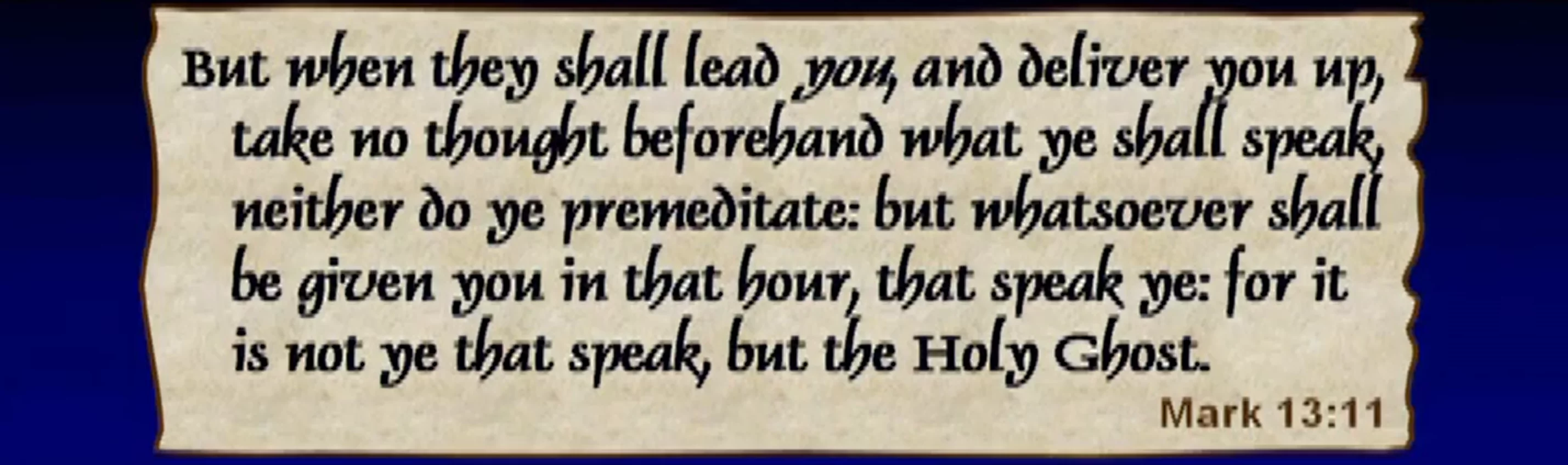
- Great verse for people to use as an excuse for not preparing
- Hardly an excuse to be poorly prepared, however!
Mark 13:12
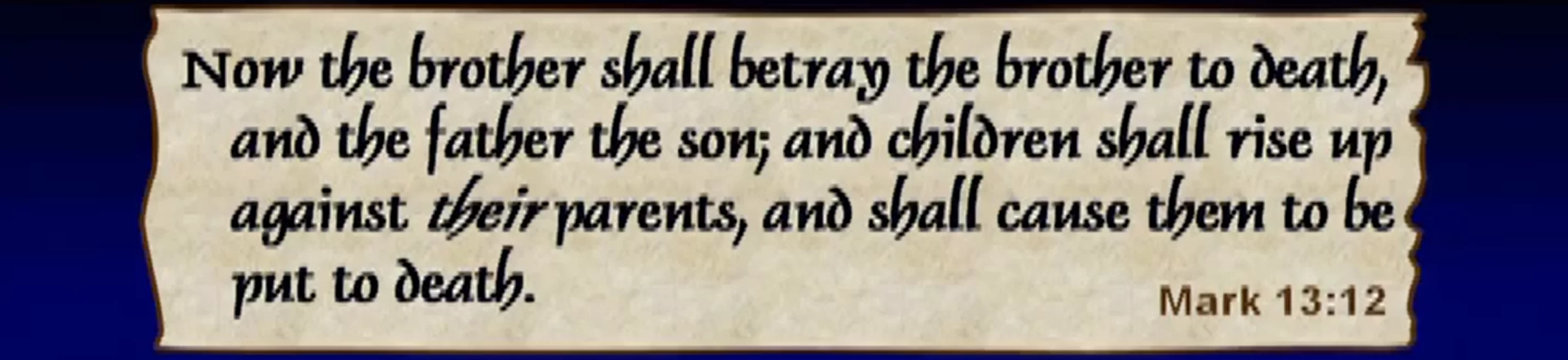
Mark 13:13

- It is interesting to notice how the introduction of the name of Jesus always creates tension like nothing else does… His name is still hated by the world and especially by the “earth dwellers” (a term used distinctively in the Book of Revelation — there are God’s people (us, pilgrims only passing through) and those that dwell on the earth)
- Nobody swears Buddha or L. Ron Hubbard (1911–1986) the founder of Scientology
- “…endure unto the end”: The Christian life is not a sprint, but a marathon. There is a prize to those that endure
- Fruit bearing is what we are dealing with here — endure bearing fruit unto the end
- Christian walk is a battlefield, not a playground…
- [Cf. The Kingdom, Power & Glory… Nancy’s book to learn the practical side of that]
♦️ 1 John 2:19
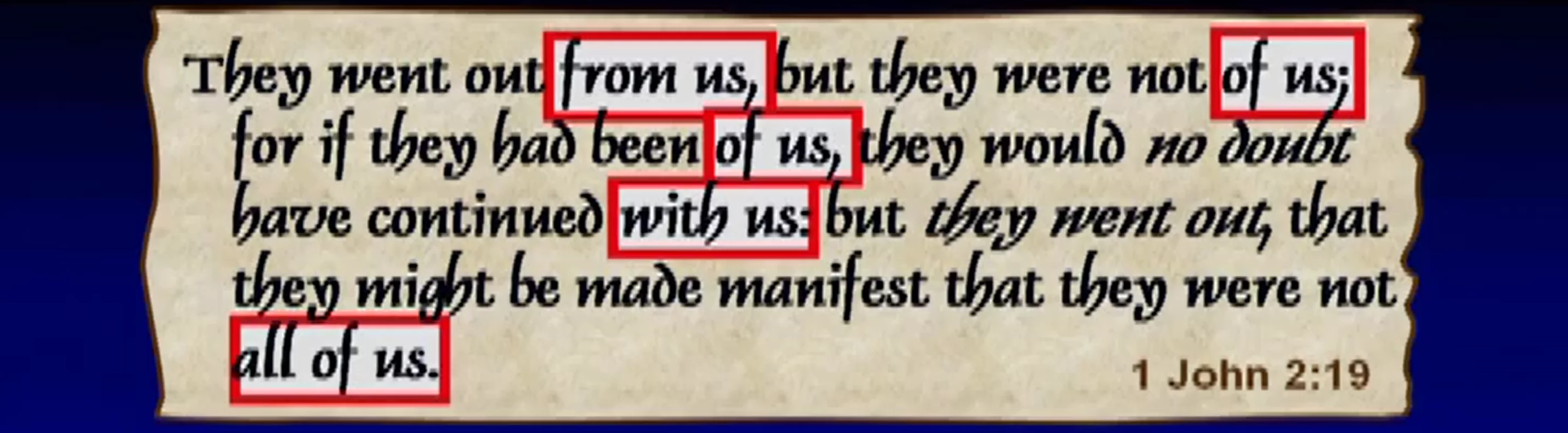
- “Us” = the fellowship of believers, the Church; they have koinonia
- We as Christians are sometimes presented as a body (1 Cor 12) and sometimes as a building (Eph 2:19-22)
- Not all who are in the fellowship are necessarily saved, however, remaining in the fellowship is one evidence
- Jesus makes it clear that only those who produce fruit are truly “born again”
- It is interesting that in the history of the false cults and anti-Christian religious systems, every leader started out in a local church. They were “with us” but not “of us”
- The NT makes it clear that it is dangerous to depart from the fellowship (2 Tim 3-4, 2 Pet 2)
- If you are born again, you should be drawn into a fellowship. You may prefer a different one in terms of a style. That’s fine. But you want to be in a fellowship
🔷 Matt 7:21-23
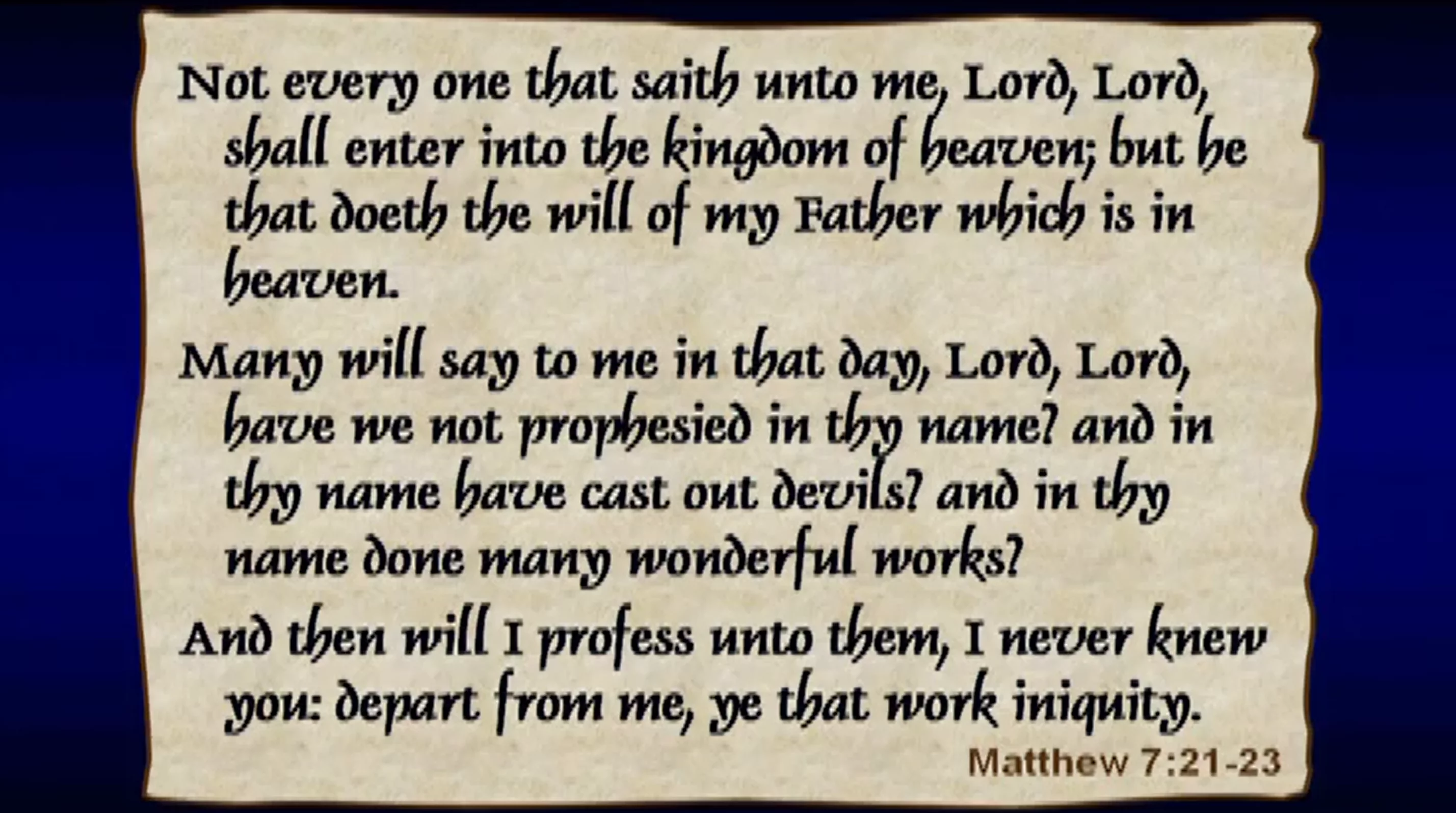
- Probably the most terrifying words in the Scripture
- These people were surprised. They thought they were in good state. That should humble all of us
Part Two: The Middle (Mark 13:14-18 || Matt 24:15-28)

Mark 13:14 The Abomination of Desolation and the Tribulation (refer to Matt 24:15 in Gospel of Matthew — note for s17)
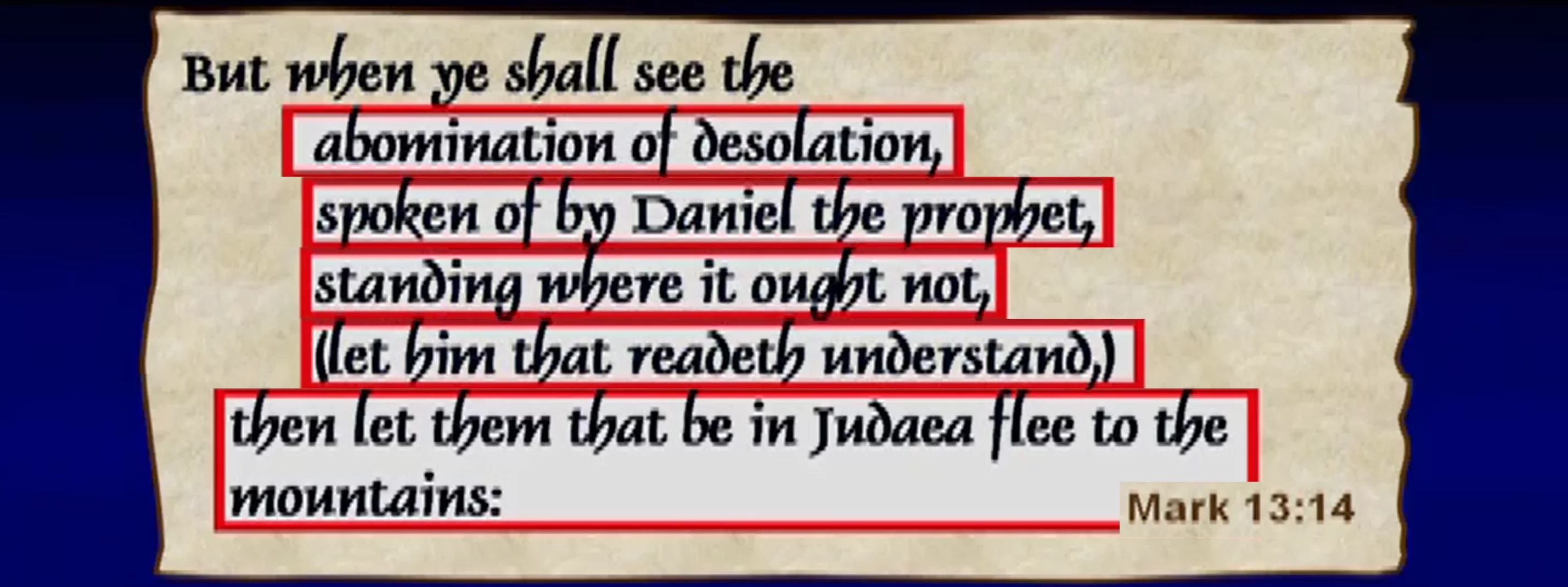
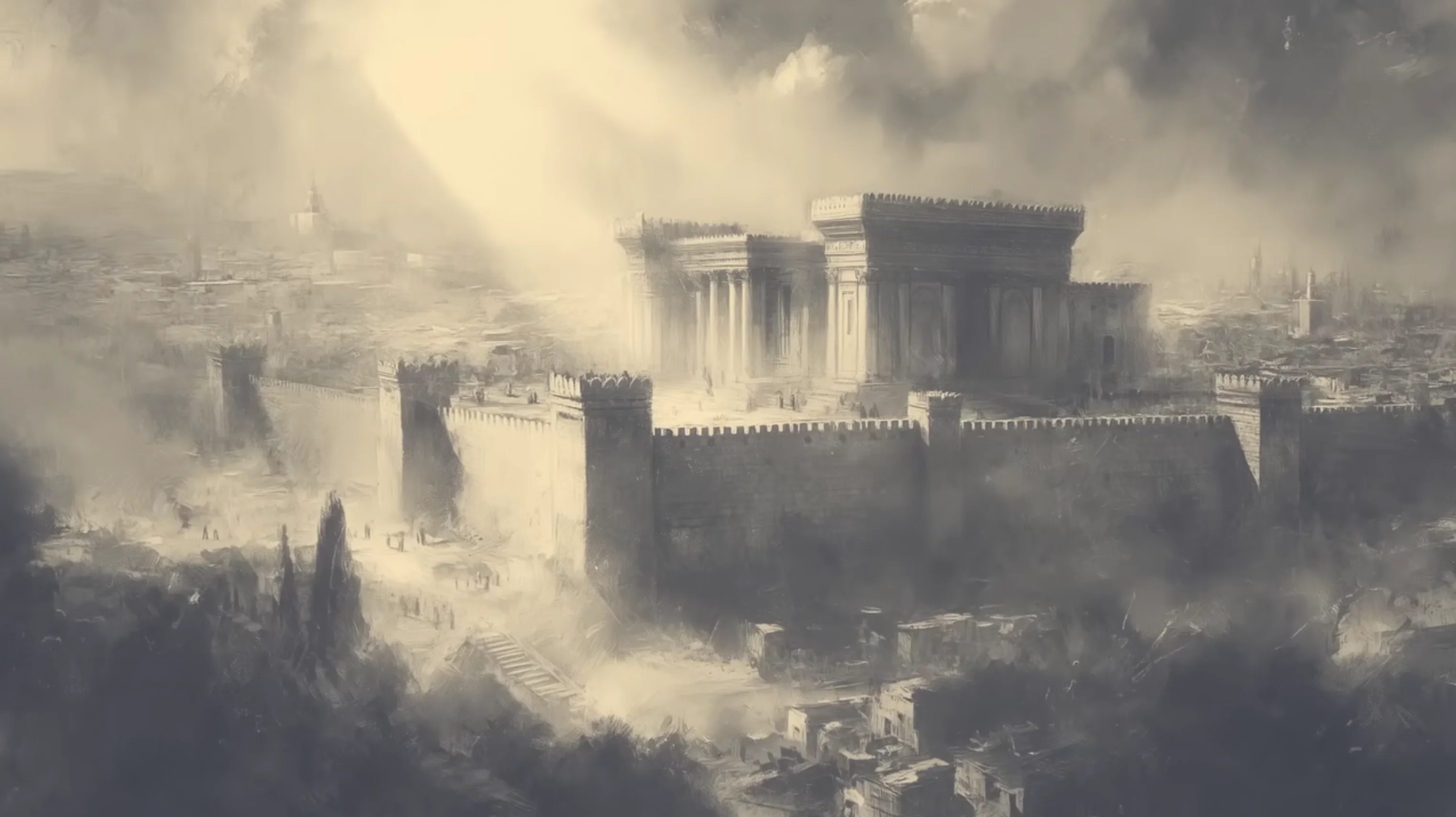
- “…abomination of desolation”: This very Jewish technical term is the key to end-time prophecy (Dan 9:24-27)
- It’s a very precisely defined — that event already happened once in the history; we know a lot about it
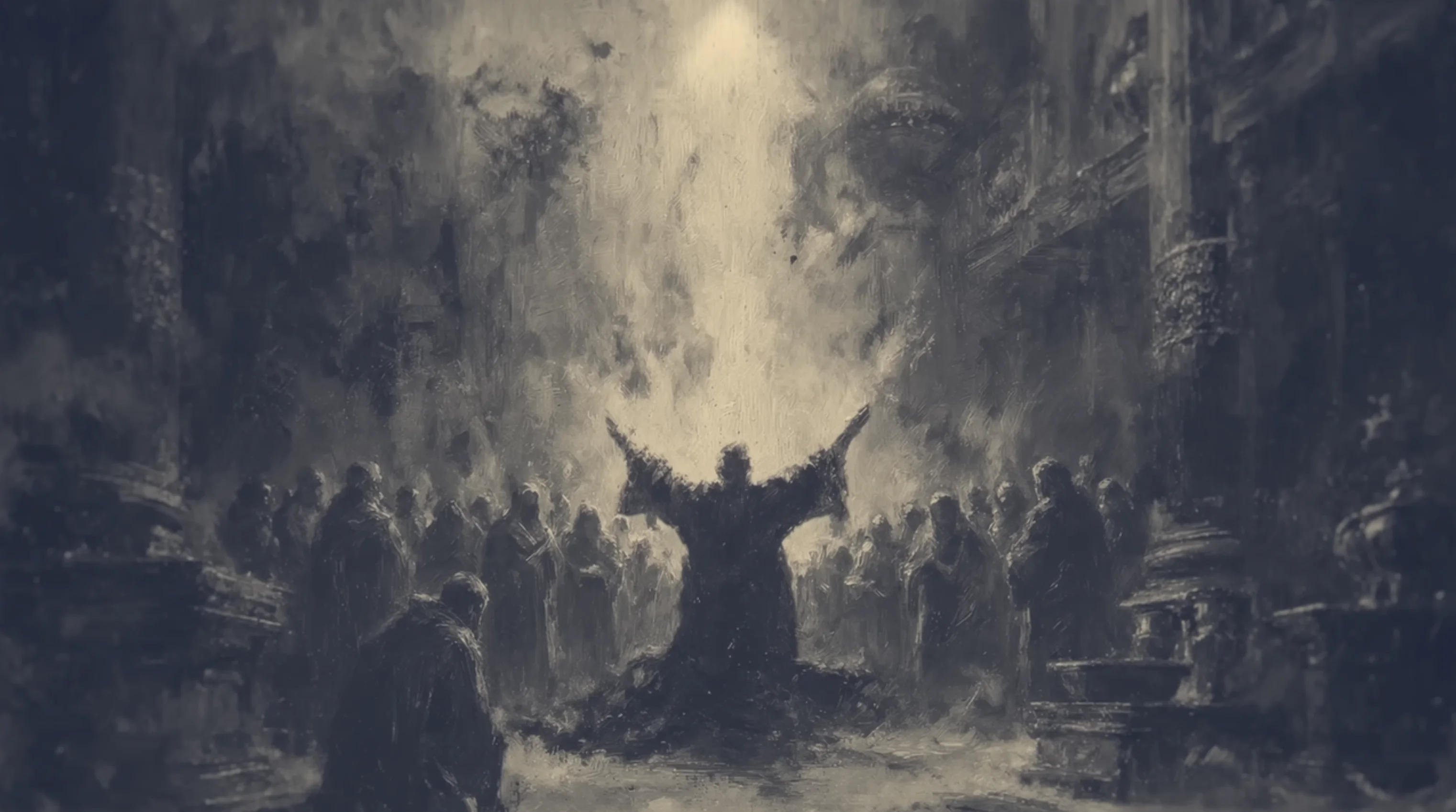

- “Abomination” is a term for idolatry (Deut 29:17, 2 Kgs 16:3). Worshiping anything other than the living God is (to Him) an abomination. The most extreme version of that is the Abomination of desolation
- “The Abomination of desolation” is the ultimate insult — placing an idol on the holiest spot on the planet: in Jerusalem, in the Temple, in fact, in the Holy of Holies!
- This was an allusion to a historical event in anticipation of an event, even more climactic, that Jesus described as yet future (Dan 9:27, Dan 12:11, Cf. 2 Thess 2:3-12)
- This had occurred two centuries earlier (167 BC) when Antiochus IV (“Epiphanes”): [he was a Greek tyrant]
— forbid circumcision (1 Maccabees 1:60)
— outlawed the reading of the Torah as a capital crime
— slaughtered a sow [sau] (female pig that has had at least one litter of piglets; a female pig that has not had a litter yet is called a gilt) on the sacred altar (deliberately designed to offend Jews, and boy it did), and
— erected a statue to Zeus in the Holy of Holies (the thing that broke the camel’s back)
- All of this precipitated the Maccabean revolt which ultimately threw off the yoke of the Seleucid empire
(predicted in Dan 11:31) (the period of time, 141-37 BC, called the Hasmoneans was ushered thereafter)
- Mark’s parenthesis enlists each of us to understand the amazing prophecy of Daniel 9!
— In fact, Jesus held the people accountable to have understood it! (Luke 19:44)
- It is interesting that this never happened (again) in history (…so far!):
— in 40 AD the Emperor Caligula ordered his image to be erected in the Holy of Holies, but died before it could be carried out
- “…spoken of by Daniel the prophet”: Who is here authenticating the authorship and reliability of Daniel? Jesus Christ Himself. Who wrote Daniel? Jesus tells you. Was he really a prophet? Absolutely
- “…standing where it ought not”: Not just standing, but standing where it shouldn’t have been, namely the Holy of Holies. Thus, this very Jewish technical specification is the key to end-time prophecy (Dan 9:24-27)
- “…let him who readeth understand”: Parenthetical phrase that says if you read it, you are obligated to understand it. To whom is this responsibility assigned? How will you acquit yourself (free yourself from obligation; to perform a task well) in this regard?
- “…then let them that be in Judea flee to the mountains”: The focus is to those in Judea — Like all history, it is Jerusalem-centric… or Israel-centric. Many people think that Israel is one of the nations. No, in the Bible, there is Israel and there are nations
Mark 13:15

- This is the middle of the “70th Week” of Daniel
- [Warning: some people regard this as a “double reference” that refers to:
— The time of the fall of Jerusalem in 70 AD and
— End-times
→ Applied here, it would lead to the error of preterism… who say that there is no prophecy, everything has already been fulfilled in the past]
Mark 13:16-18
- “…be not in the winter”: Judea was often impassible. That’s one reason Jesus was probably not born in December: no Roman administrator would require everyone to travel to their home town during the winter
- Matthew includes in his account: “pray ye that your flight be not on a sabbath day” (Matt 24:20)
— Mark does not mention this as he is addressing Gentiles
Part Three: The End (Mark 13:19-27 || Matt 24:29-31)

Mark 13:19
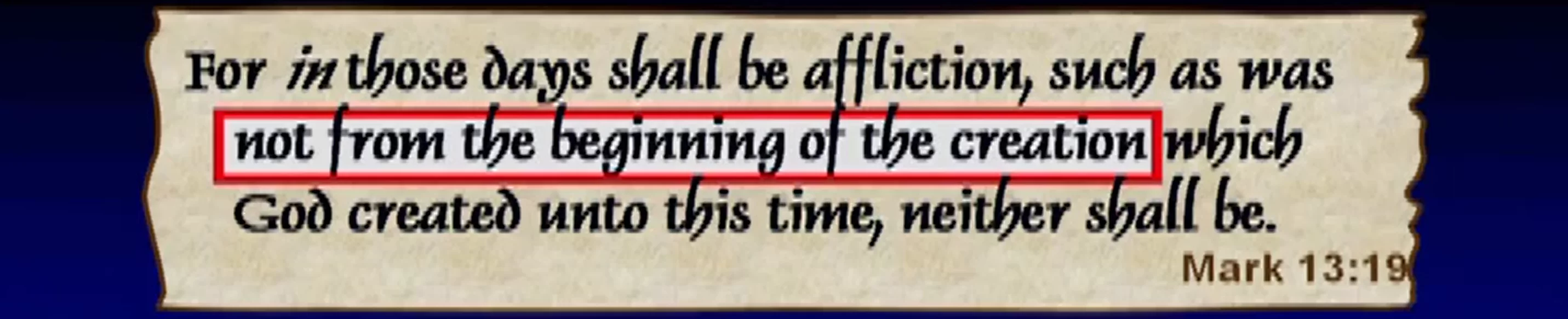
- “…not from the beginning of the creation”: This is clearly not a reference to the Fall of Jerusalem in 70 AD!
[In fact, it appears that this will even exceed the Holocaust in Nazi Germany!]
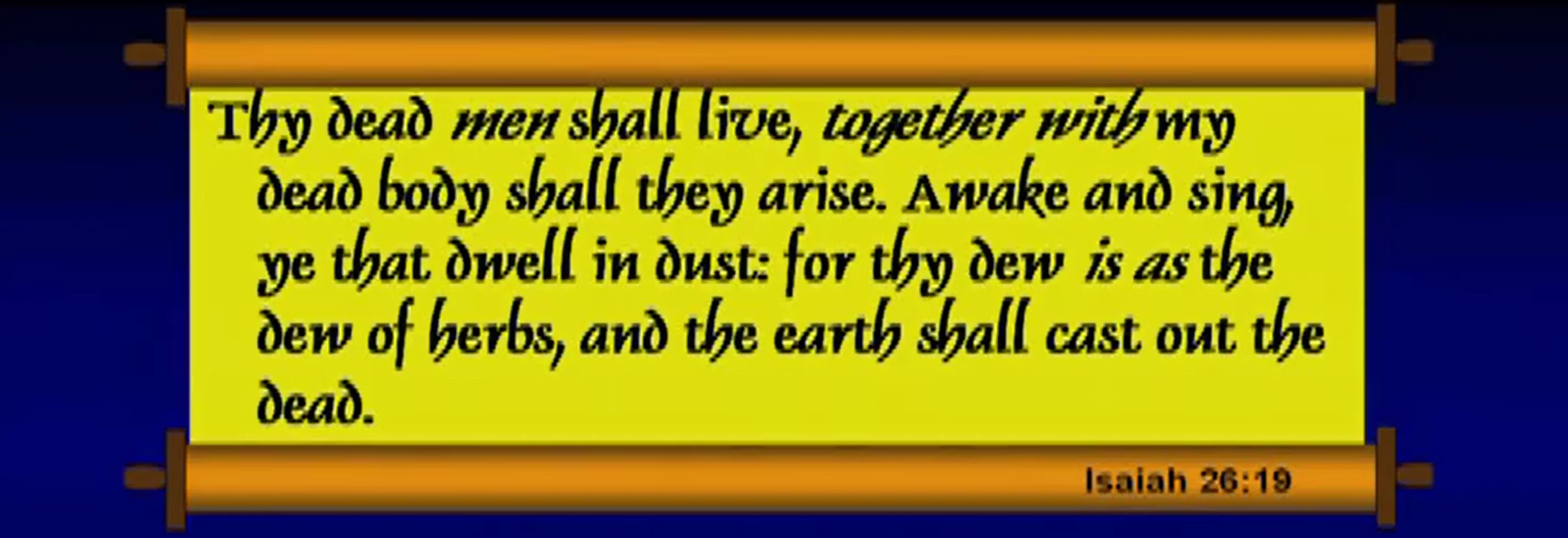
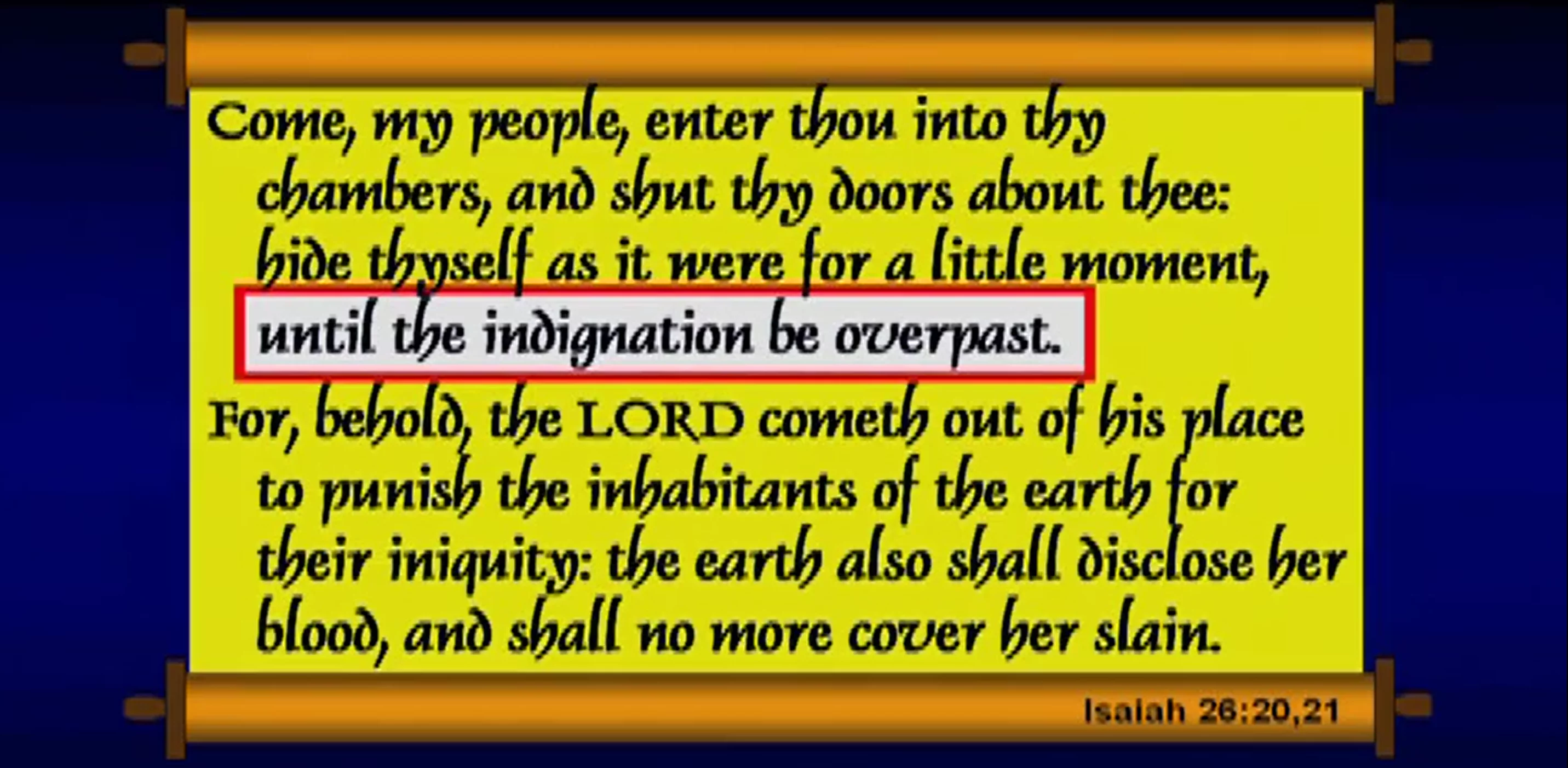
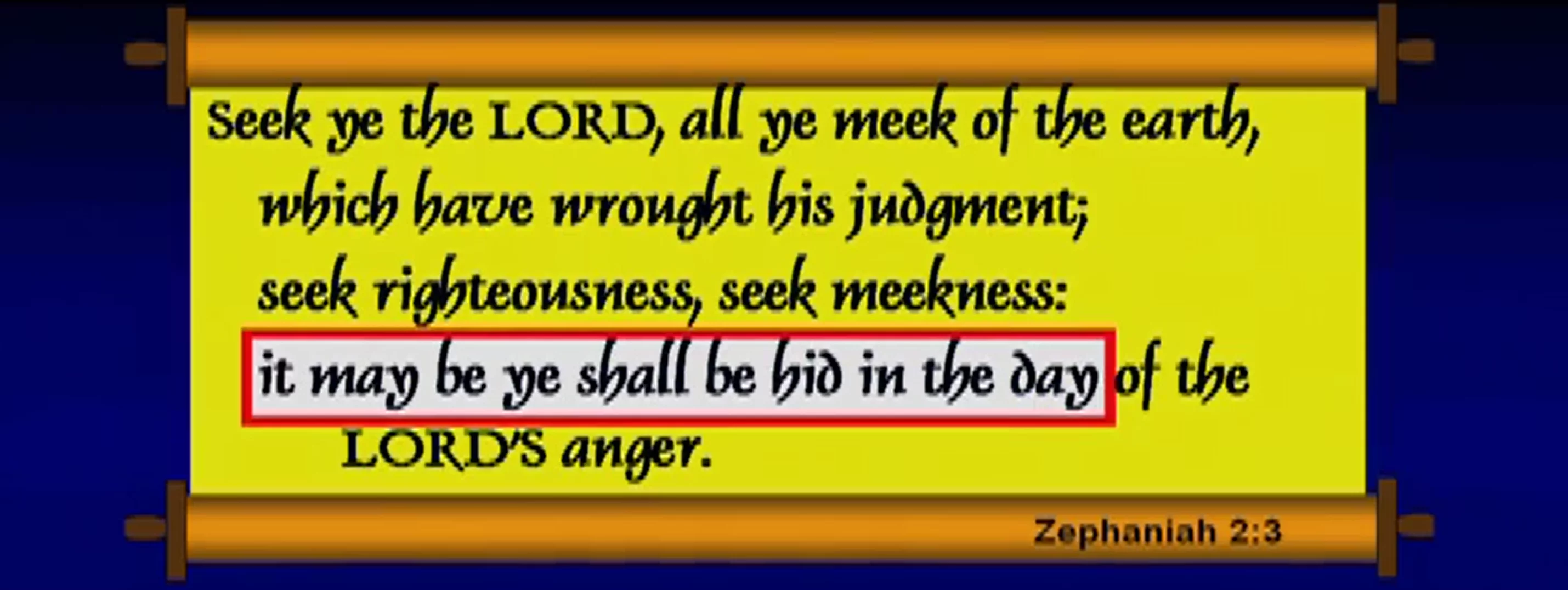
- This refers to the period that the OT calls “the time of Jacob’s trouble” (Jer 30:7) a time of wrath (Zech 1:15-17) and indignation (Isa 26:20-21). [Note: Isa 26:20 indicates that there are those who will be absented!…]
Rapture in the OT
⏫ Isa 26:19
⏫ Isa 26:20-21
⏫ Zeph 2:3
⏫ Ps 27:5
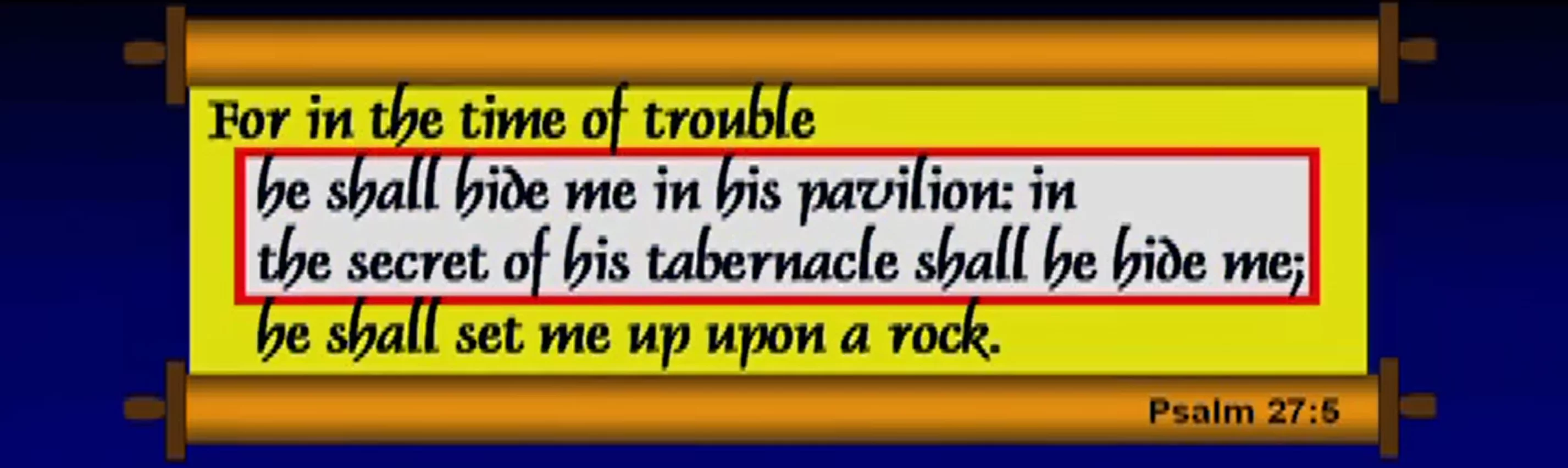
- “…He shall set me up upon a rock”: In Hebrew, it may actually be “with a rock”
Mark 13:20 || Matt 24:22
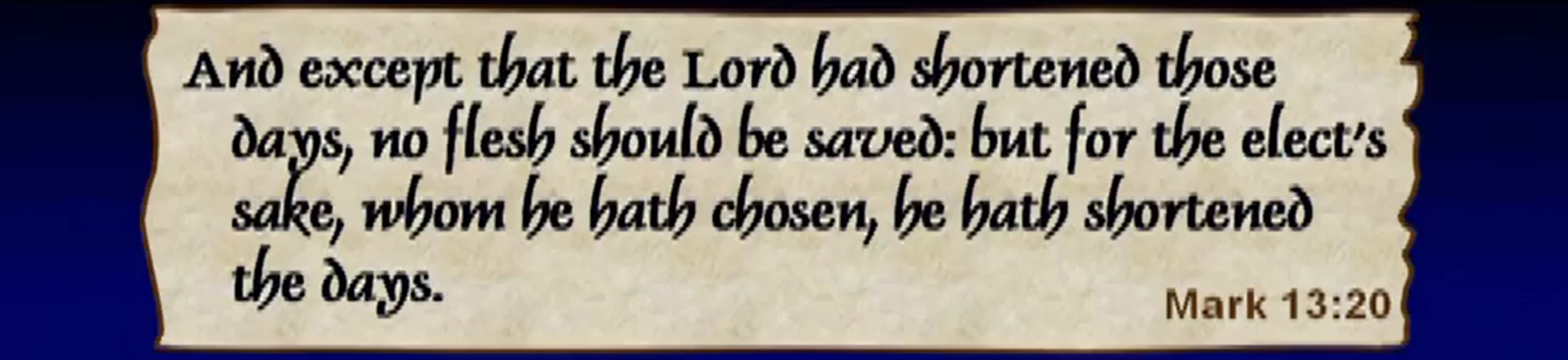
- Here, the “elect” refers to the believing remnant in Israel and the Gentile believers surviving the Tribulation (Rev 14)
- Bible is full of technology statements — “…except that the Lord had shortened those days, no flesh should be saved…” — if we studied this verse in 1860’s (during the time of Civil War), it would be hard for us to imagine the entire world being wiped out with muskets (a long, muzzle-loading firearm used by infantry between the 16th and 19th centuries) and bayonets
- Here, it’s talking about a time, unless God intervenes, the entire world is going to wipe itself out. That’s a technology statement. This is hard to visualize occurring with the technologies of earlier periods. But contemporary technologies make this a primary concern in virtually every geopolitical decision today!
Mark 13:21-22
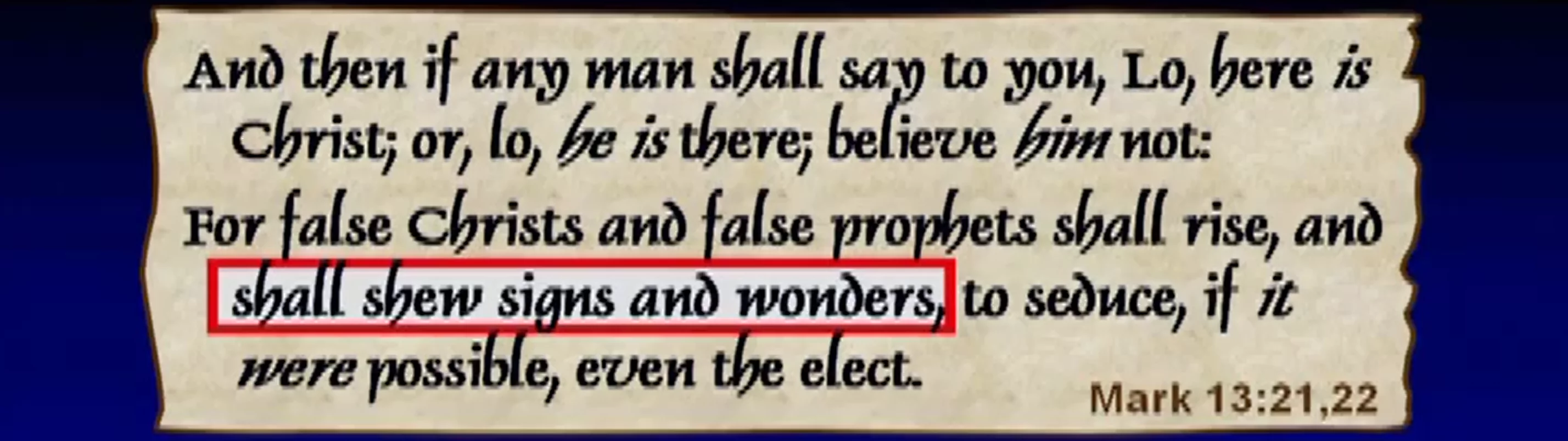
- “…shall shew signs and wonders”: These imposters will actually do miracles! — the same Greek words are used here as were used in miracles of Christ — they might be counterfeit miracles, but it won’t matter because they are going to fool everybody. Also, if really counterfeit, they will look so genuine that no one can tell the difference
- [Btw, is it possible to deceive the elect?] This is something to chew on in your study group
Mark 13:23-25
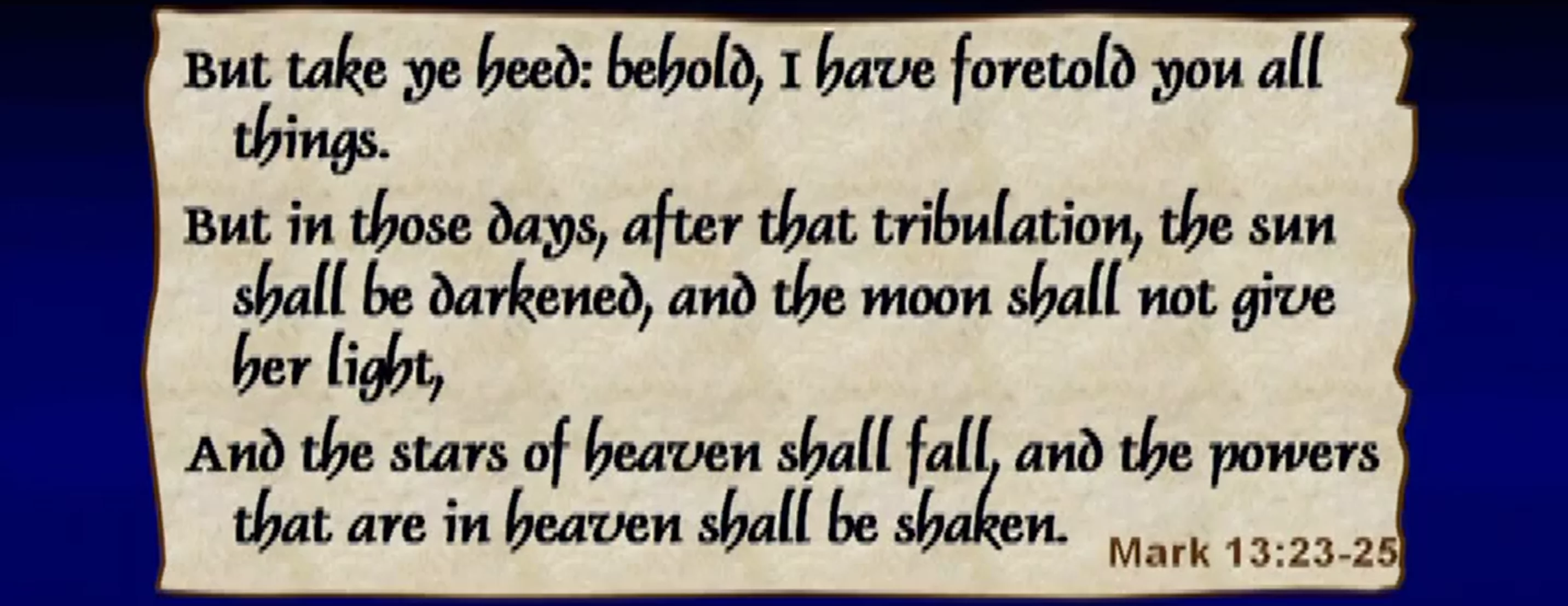
- This did not happen in 70 AD
Mark 13:26-27
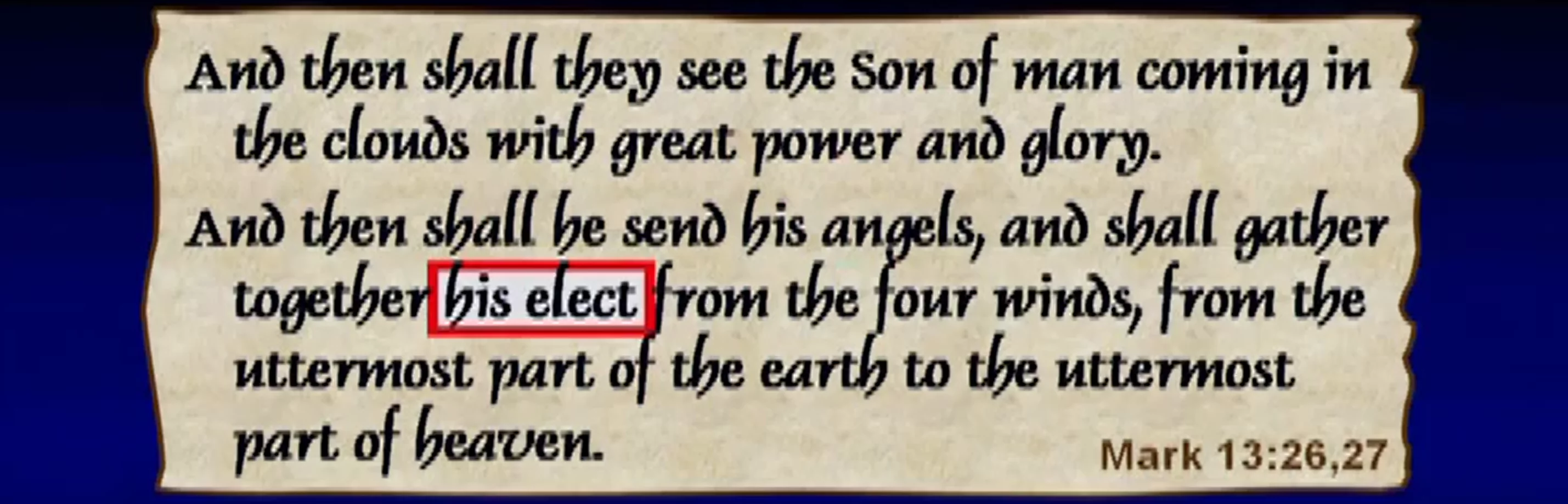
Concluding Exhortations (Mark 13:28-37 || Matt 24:32-44)

- [Matthew also appends three parables in Matt 25]
Mark 13:28-29 The Parable of the Fig Tree
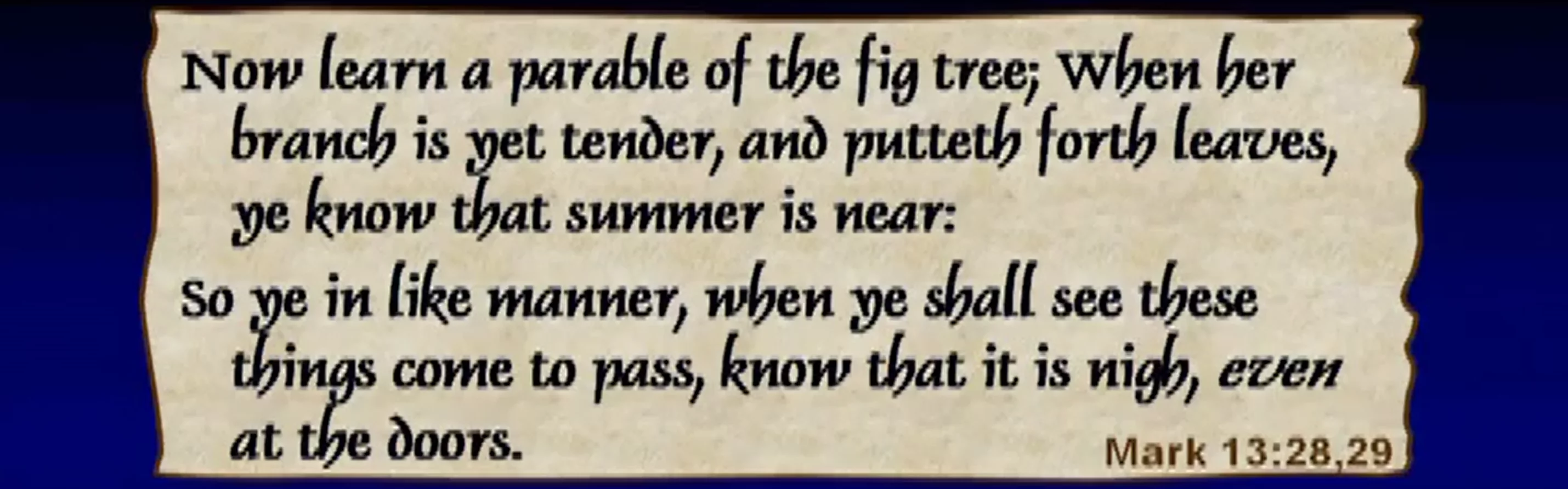
- No need to get into the fig tree and vines from Jotham’s parable and Judges 9. The Luke 21:29 says: “…Behold the fig tree, and all the trees;”. Fig part is not important here. It’s that simple: trees bud, summer is near
- “When the LORD shall build up Zion, he shall appear in his glory.” (Ps 102:16)
- “…the day of the Lord so cometh as a thief in the night.“ — to those who are of the night. But you are children of the day, so that day should not overtake you as a thief (cf. 1 Thes 5)
Mark 13:30

- He is talking about the last generation
- (Luke 21 uses the same phrase for a totally different group — the audience is different)
- This phrase has launched a barrage of speculations and conjectures…

- Who is “this generation”?
There are several possible understandings:
► The people then living — when Jesus spoke these words (this didn’t happen)
► The word can mean “race, stock, family, genealogy” — meaning simply the Jewish people would survive — that is unsatisfying, carries no information, called tautology (a phrase or expression in which the same thing is said twice in different words, a meaningless statement)(Josh 21:45, 1 Kgs 8:56, Matt 24:35)
— Jesus used the term for the Jewish nation (Mark 8:12, Mark 8:38, Mark 9:19)
— However, this view would make this parable simply a tautology, redundant in the light of the abundance of the other prophecies (we already know that from a lot of other prophecies)
► That “all” would occur within the lifetime of the witnesses of these last things
— But this popular view raises another dilemma: what is the trigger?
— The State of Israel (1948)? Jerusalem? (…many similar conjectures have already fallen by the wayside…)
— Some suggest that it is the Harpazo (“Rapture”). This would seem consistent with the apparent mutual exclusiveness of Israel and Church; and with the “interval” in Dan 9:26. We’ll see…

- Frequently confused with the Olivet Discourse: Matt 24 & Mark 13
- (Here, only notes different from Matthew sessions 17 & 18)
🕍 Luke 21:11-13
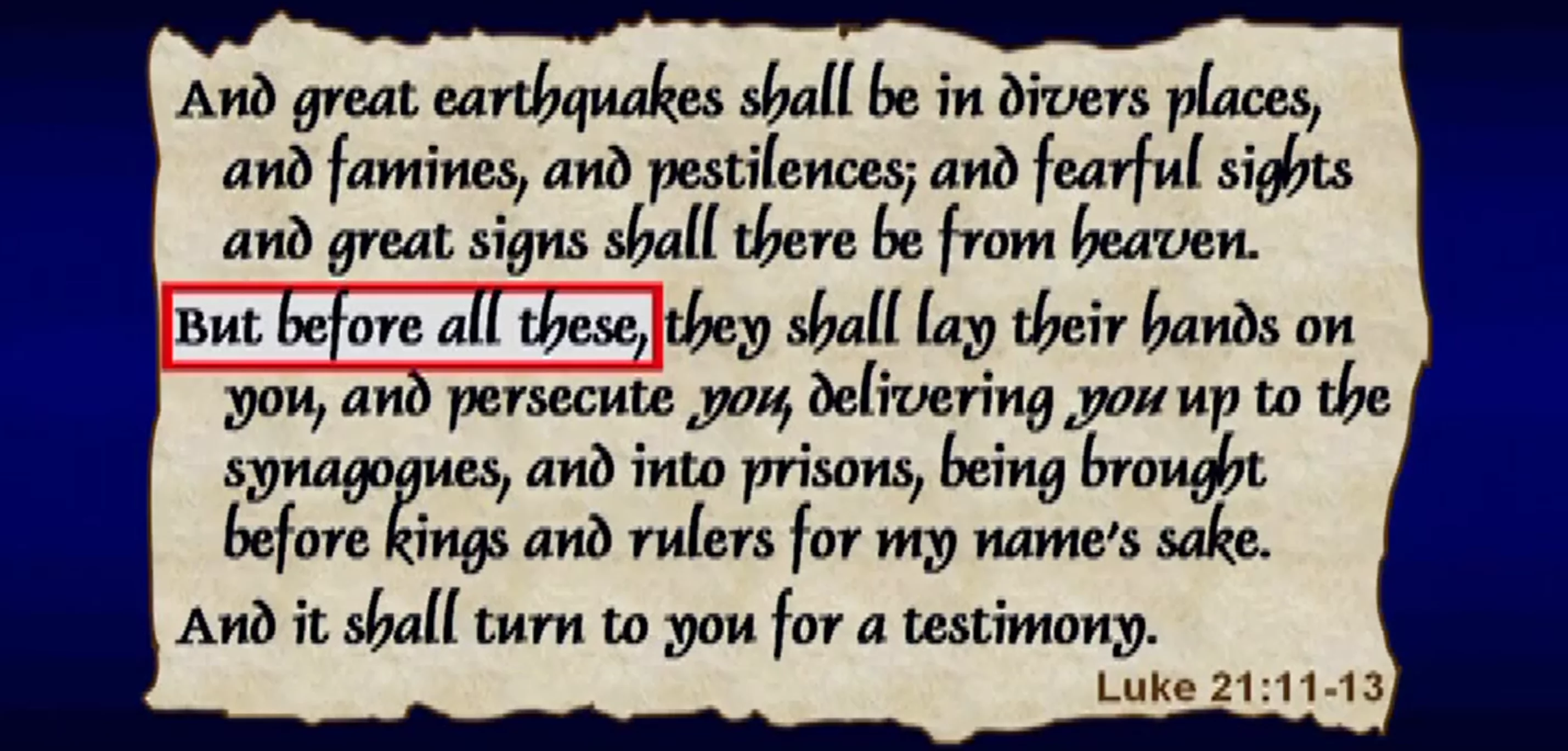
“…but before all these”: Verse 12 = Key verse: Luke focuses on that which will occur prior to the “Beginning of Sorrows”
🕍 Luke 21:37-38
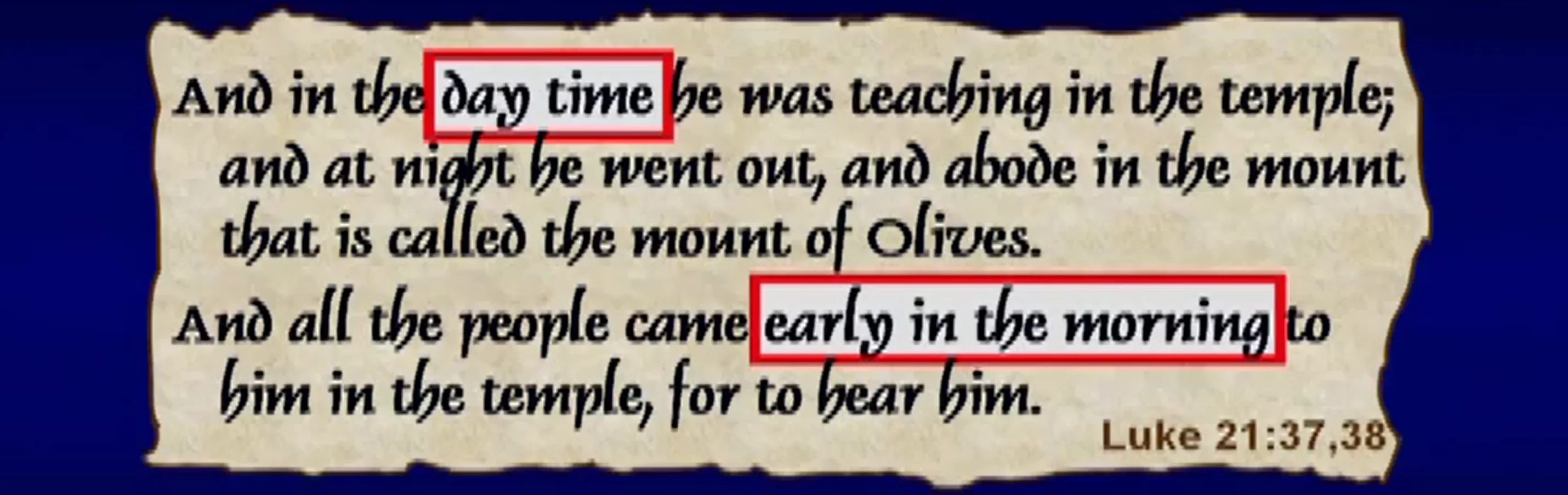
Apparently Luke’s “Olivet Discourse” didn’t occur on the Mt. of Olives: these are summaries of teachings in the Temple over several days!! [Contrast Mark’s (Peter’s) rendering which was confined to four insiders]
Mark 13:31-32
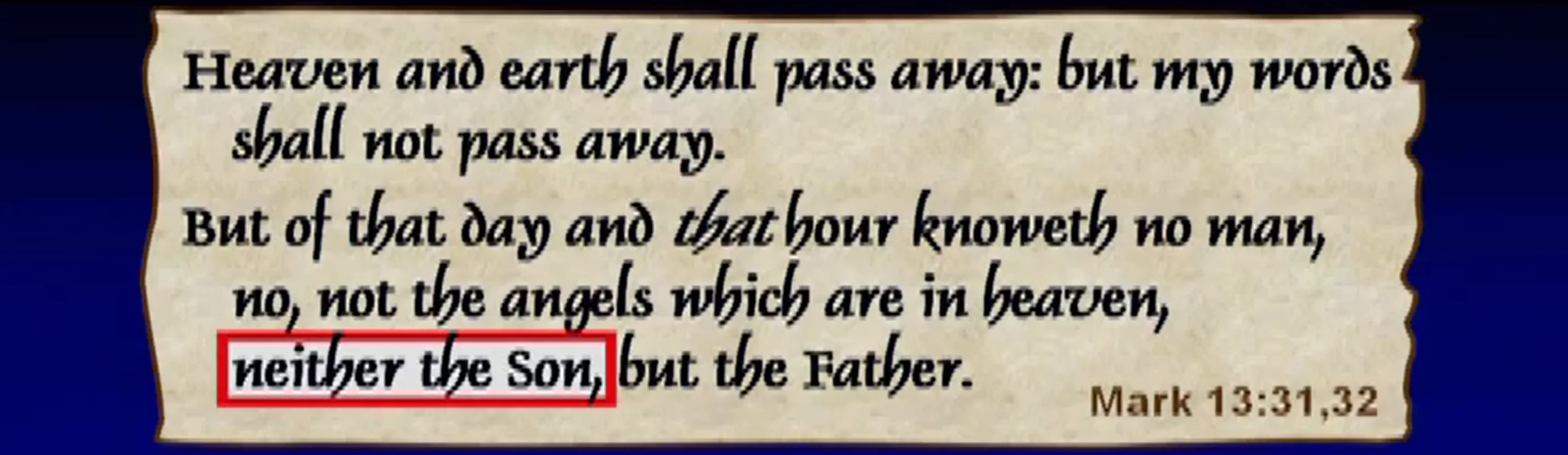
- “But of that day and hour knoweth no man, no, not the angels of heaven, but my Father only.” (Matt 24:36)
- Mark adds “…neither the Son”, while Matthew does not mention explicitly, although he says Father only
- In any case, what this does tell you: Don’t try to set dates!!! The whole idea is to catch Satan by surprise
Mark 13:33

- “…watch”: be on the alert
Mark 13:34
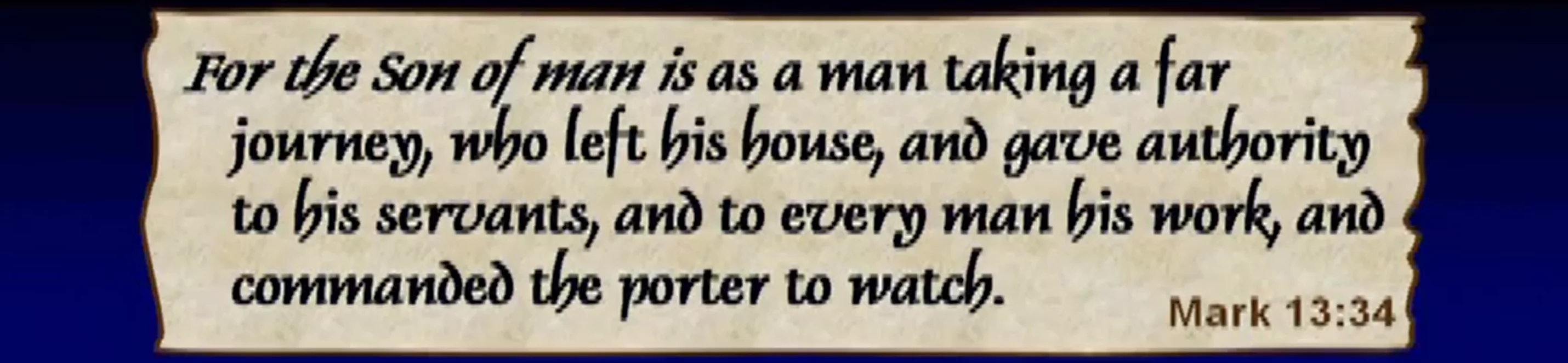
- The analogy to the ancient Jewish wedding is evident in a number of passages (Eph 5:23-33)
- After the Ketubah (the engagement), but before the huppah (the formal ceremony), the groom departed to prepare the new home, usually an addition to his father’s house
Mark 13:35
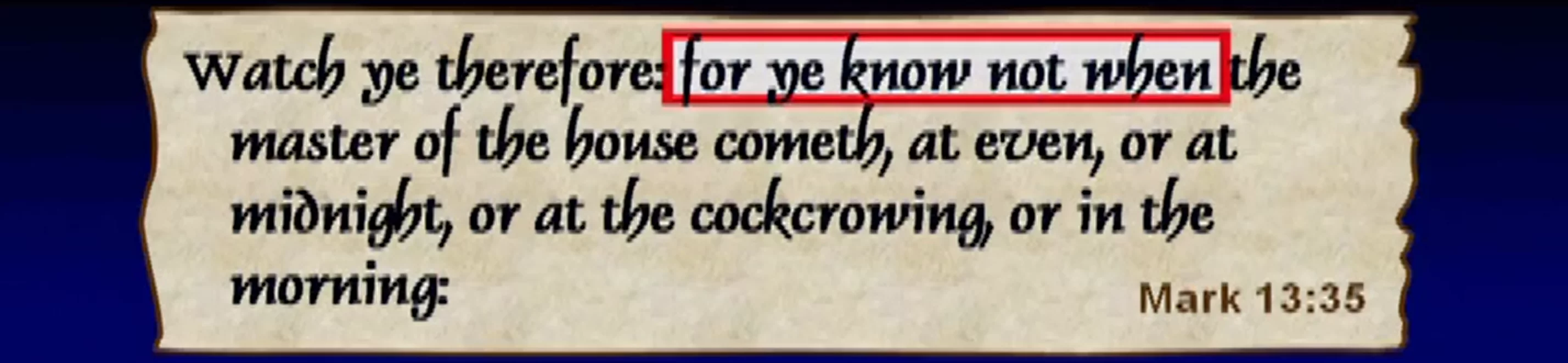
- The bride was kept in a state of expectancy pending his return—often at night, as a surprise
- (The huppah (the wedding ceremony), was followed by a seven day celebration, etc.)
Mark 13:36-37

As we explore His footsteps in the final hours of this last week, let’s be prepared to be astonished at the spectrum of responses of various people to the Lord Jesus Christ…
