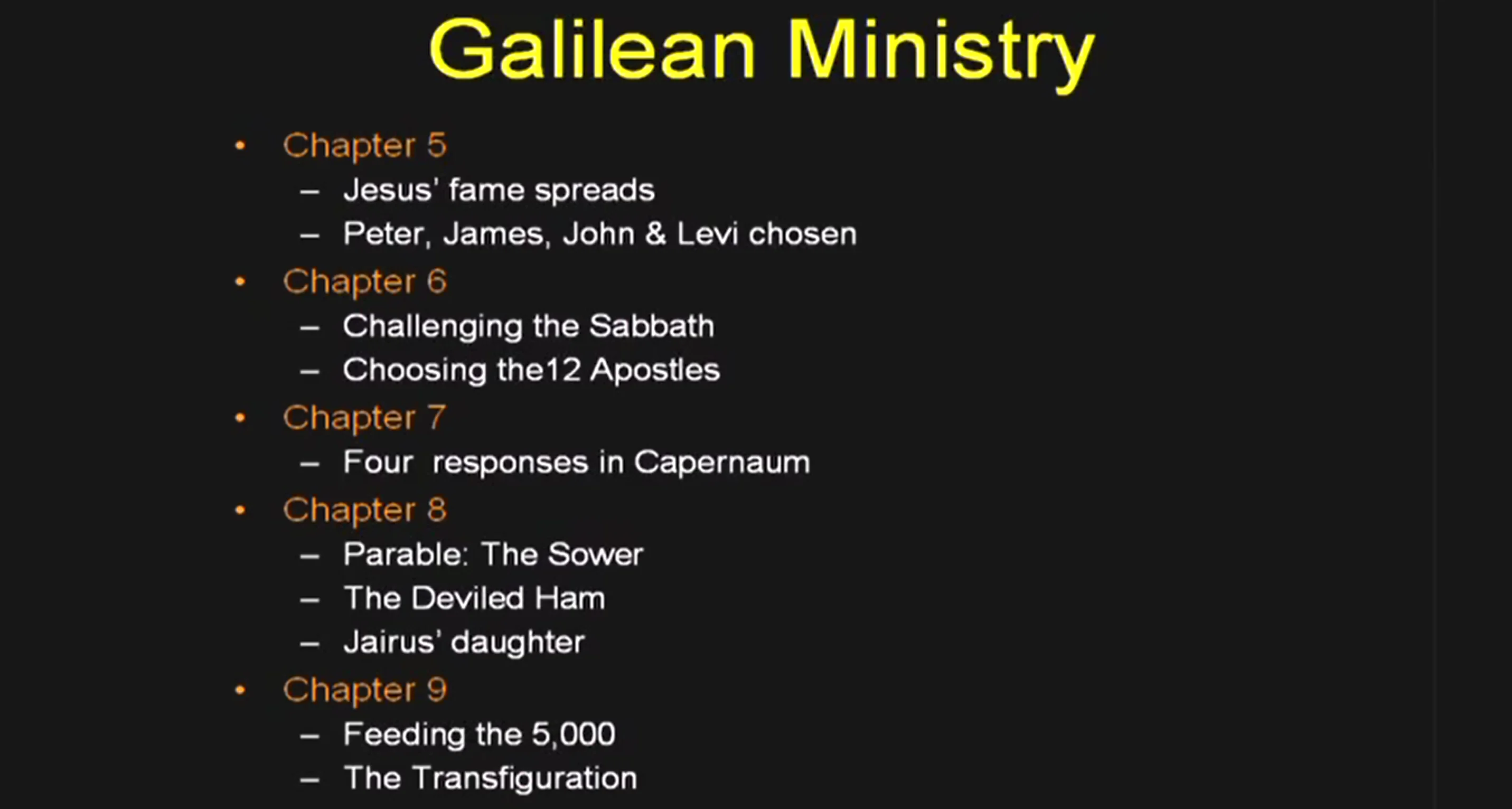
s04 (Ch 4) Temptation, Galilean Ministry, Demoniac (studied 25-Jan-2026)
The Book of Luke with Dr. Chuck Missler
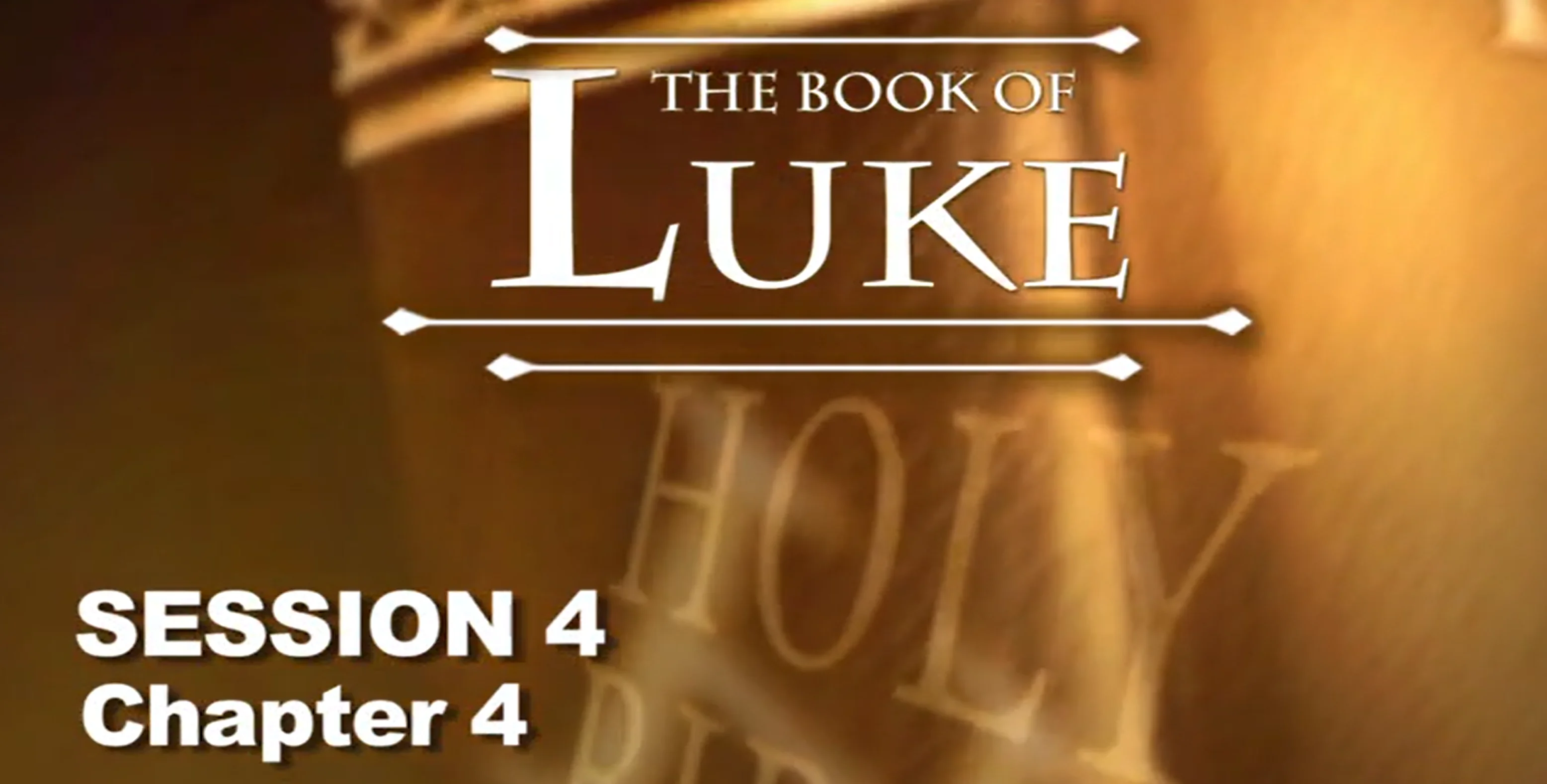
The subsections of Chapter 4 (per NASB/LSB/MEV) are:

- The visits of the angel Gabriel to Zacharias (Luke 1:11) and to Mary (Luke 1:26)
- The song of Mary (Luke 1:46-55) and the prophecy of Zacharias (Luke 1:67-79)
- The birth of Christ in a stable (Luke 2:6-7)
- The angel’s announcement to the shepherds (Luke 2:8-14)
- The presentation of the Child Jesus in the temple at Jerusalem (Luke 2:22-24)
- The welcome given by Simeon (Luke 2:25-35) and Anna (Luke 2:36-38)
- The first meeting in Nazareth (Jesus Rejected at Nazareth) (Luke 4:16-30)
- The great draught of fishes (Luke 5:4-11)
- The interview with the woman of the city in the house of Simon the Pharisee (Luke 7:36-50)
- The beautiful incident of Mary at the feet of Jesus (Luke 10:38-42)
- The mission of the seventy (Luke 10:1)
- Much of the material of Luke 11-18 inclusive is told only by Luke
- The story of Zaccheus (Luke 19:2-10)
- The coming of the angel to our Saviour to strengthen Him in His Gethsemane agony (Luke 22:43)
- The penitent thief on the cross (Luke 23:40-43)
- The visit of our risen Lord with the two disciples on the way to and in their home at Emmaus (Luke 24:13-31)



Luke 4:1 The Temptation of Jesus

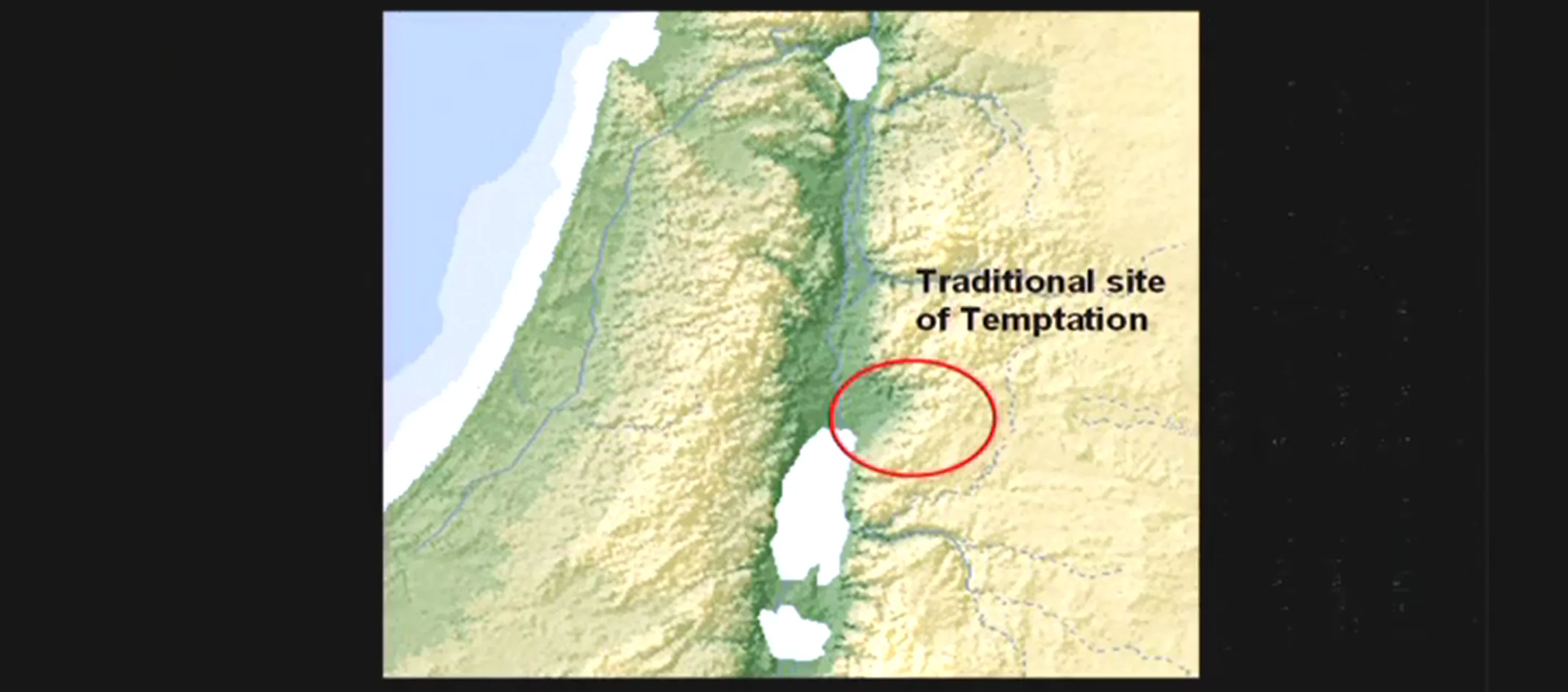
- The traditional site of Jesus’ temptation is a barren area northeast of the Dead Sea
- Some say it was on the other side of Jordan river, northwest of the Dead Sea
Luke 4:2

- Fasting is not just for the Old Testament (Matt 6:16-18, Matt 9:15):
— One day fast: relatively easy
— Three day fast: requires some education (surprisingly, not hungry after the 3rd day)
— Extended fasts: Be very careful! Educate yourself and make preparations for both fasting and coming off the fast
- “…forty days” — six weeks without food. Parallelism?
— Some commentaries note that Jesus’ temptation in the wilderness continued for 40 days, just as Israel’s wanderings and temptation continued for 40 years in the wilderness
— Quail and manna for 40 years (cf. Exo 16, Deut 8)
— A “40 days” interval is prominent throughout the Old Testament (Gen 7:4, Exo 24:18, 1 Kgs 19:8, Jonah 3:4)
- The first Adam was tempted in a beautiful garden and failed
- The Last Adam was tempted in a dangerous wilderness and succeeded
Luke 4:3

- #1: Physical Needs
- Greek is the most explicit language ever devised
— Perhaps that is why God chose it for the New Testament
- “If” in the Greek — Conditional Classes:
1️⃣ “if” and “it is so”➖ “since, indeed” (it is “if” that we know the conclusion thereof)
2️⃣ “if” and “it isn’t so” (contrary to fact, subjunctive)
3️⃣ “if” and maybe it’s so and maybe it’s not (indefinite if)
4️⃣ “if” and I wished it was so but it’s probably not
- This is a Class 1: “Since, indeed, you are the Son of God…”
— Not a supposition but an affirmation!
— His deity was the basis for this first temptation (if he wasn’t the son of God, it’s meaningless)
— Basically, Satan affirms Jesus is the Son of God
- Satan was also slandering the nature of humanity — he was trying to imply that the physical is a complete description of the needs of humanity
— The truth is, the physical is an incomplete description of the needs of humanity
— Our needs are more than just a physical hunger
- “Whose end is destruction, whose God is their belly, and whose glory is in their shame, who mind earthly things.” (Philippians 3:19)
Luke 4:4

- Jesus is quoting Deut 8:3
- In each of these three temptations, Jesus responds by quoting the Word of God (Deuteronomy)
— Jesus quoted more from Deuteronomy than any other book
— (Jesus quotes from all five books of Moses throughout the Gospels and attributes each of them to Moses)
- In Deut 8, Moses had reminded the people of the manna which God had given them
— Though the manna was on the ground, it was still a test of faith for the people
— They had to believe that God’s Word was trustworthy for their existence
- Power vs. Authority
— Jesus had the power to do anything, but the authority to do only that which the Father had willed (cf. John 5:17, John 5:30, John 8:28, John 10:17-18, John 15:10, John 15:15)
— Jesus did not use His divine attributes for selfish purposes (Phil 2:5-8)
— (Many scholars argue that He used the power of the Holy Spirit because He was putting Himself in our shoes)
- Whenever we label different spheres of our lives as “physical”, “material”, “financial” et al., we are bound to exclude God out of areas where He rightfully belongs:
— “There is nothing secular before the throne of God”
— God wants to be involved in everything in your life
— God does not want to be first on a list of ten, He wants to be first on a list of One
- What digestion is to the body, meditation is to the soul
— Jesus spent 40 days in meditation
Luke 4:5-6
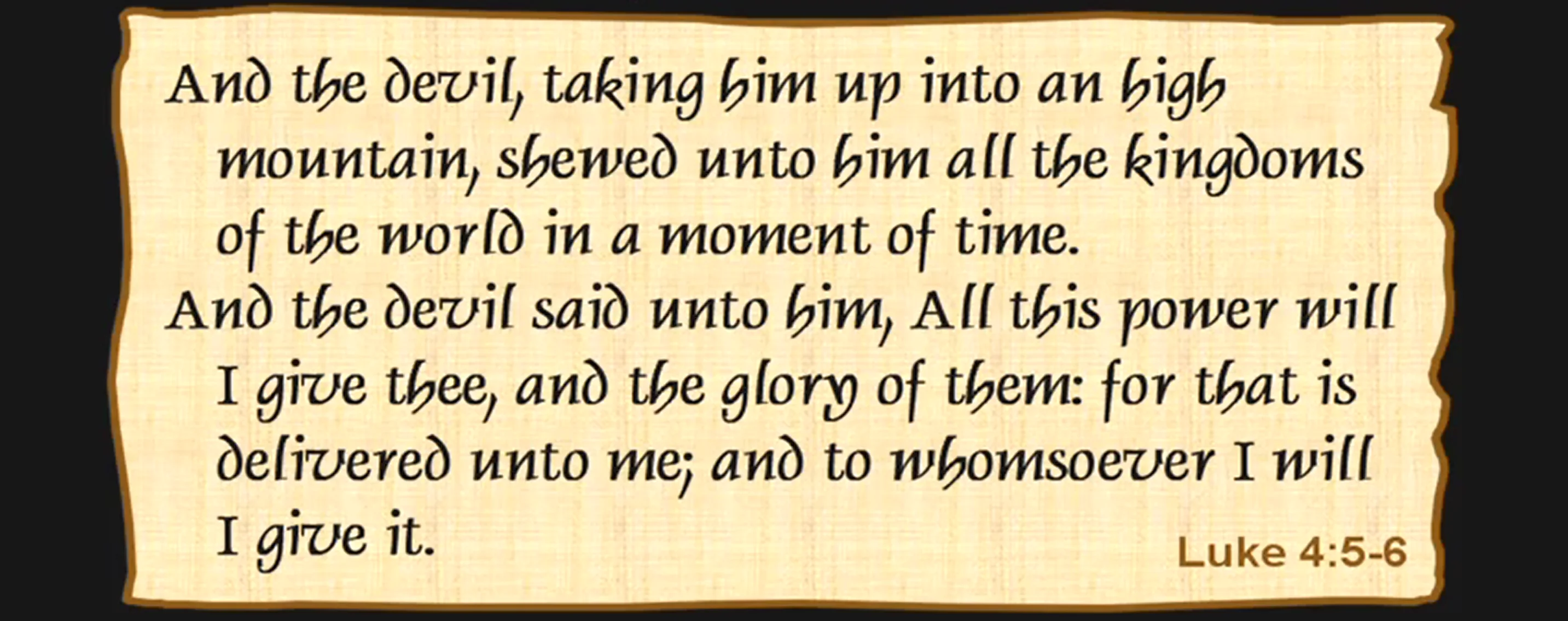
- #2: Glory and Dominion
- Luke reversed the second and third temptations
— Perhaps to parallel a moral order? (1 John 2:16)
— Matthew’s order is probably the actual chronological order (Matt 4:5)
- A profound insight into Satan’s abilities. A vision? Hyperspace?
- Satan’s claim is clearly valid or the temptation has no meaning (John 12:31, John 14:30)
— Notice that Satan is claiming: “Mine is the kingdom, the power and the glory”
— Satan claimed the earth as his possession:
• This is a challenge by Satan of the right of Christ to enter into the principality which Satan, from the day he was first created, had held in fief (феудални посед), and over which he now claimed suzerainty by right of possession
• Whatever else he had lost in his fall, Satan’s kingdom had not (yet) been taken from him
🌍 Gen 1:1-2
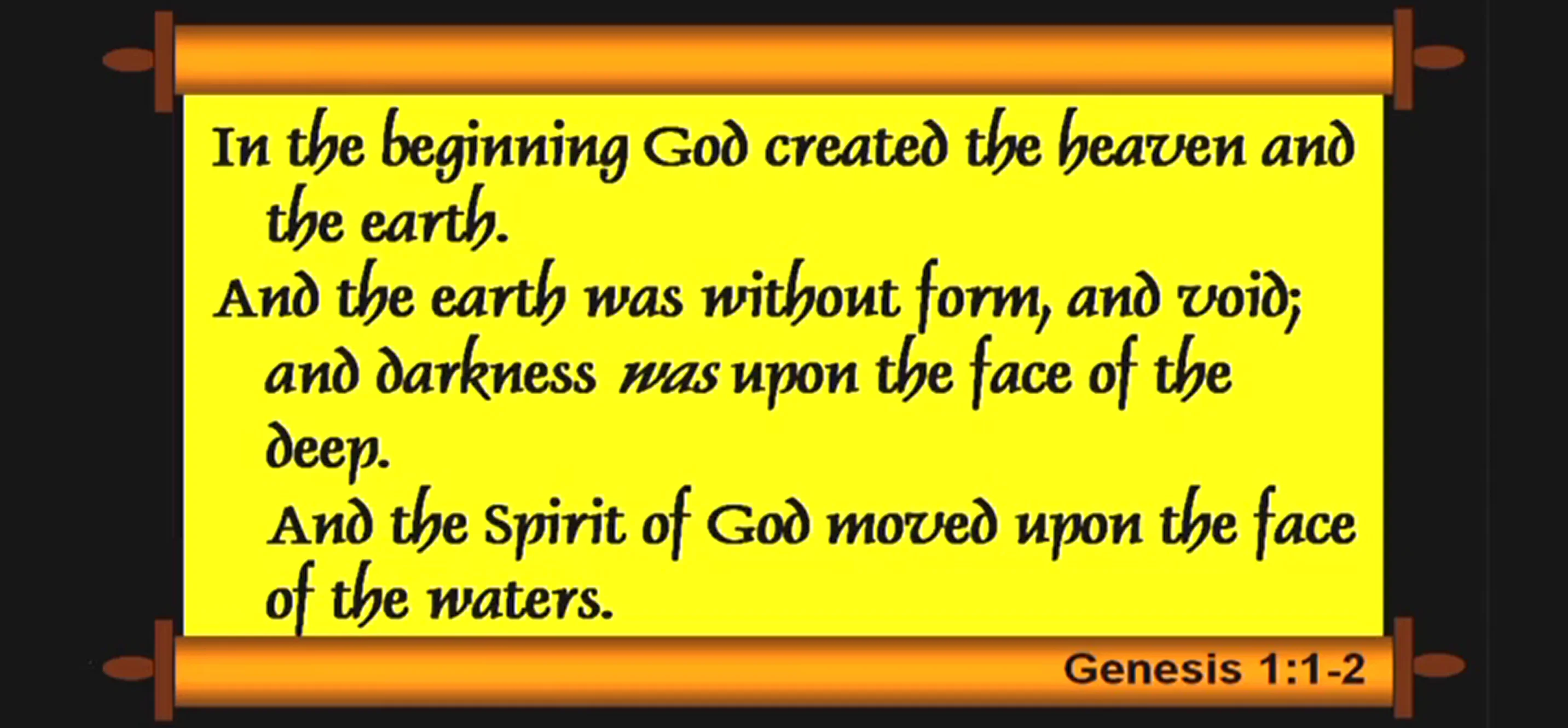
- [Some attribute this as a reference to a Great Rebellion in the ostensible interval between Gen 1:1 and Gen 1:2]
- When did Satan fall?
🌍 Isa 45:18
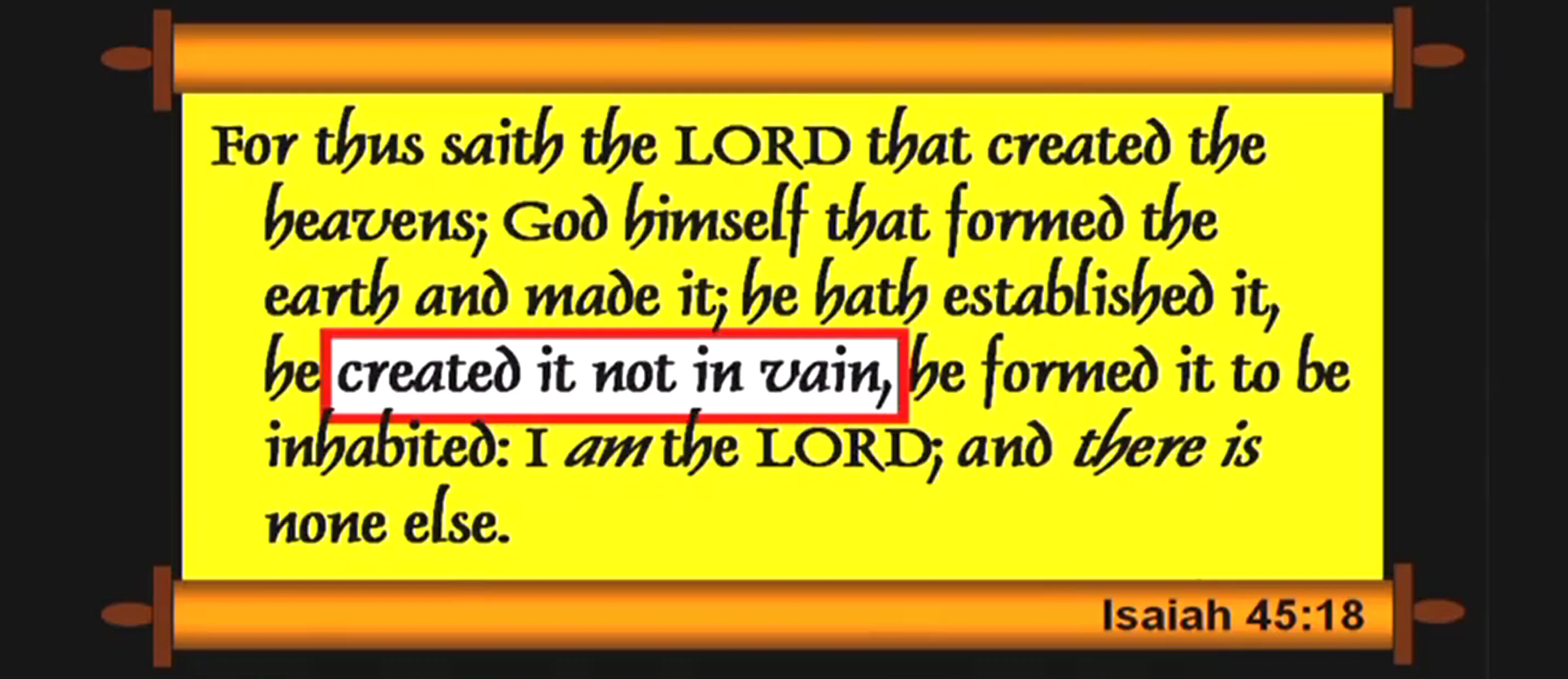
- This would seem to contradict the translation of Gen 1:2 (cf. G. H. Pember, Earth’s Earliest Ages, 1814)
- Some exegetical experts claim that there is an issue in the translation of Gen 1:2:
— “But”: is an adversative conjunction (LXX)
— “became” is a transitive verb indicating action (ISV)
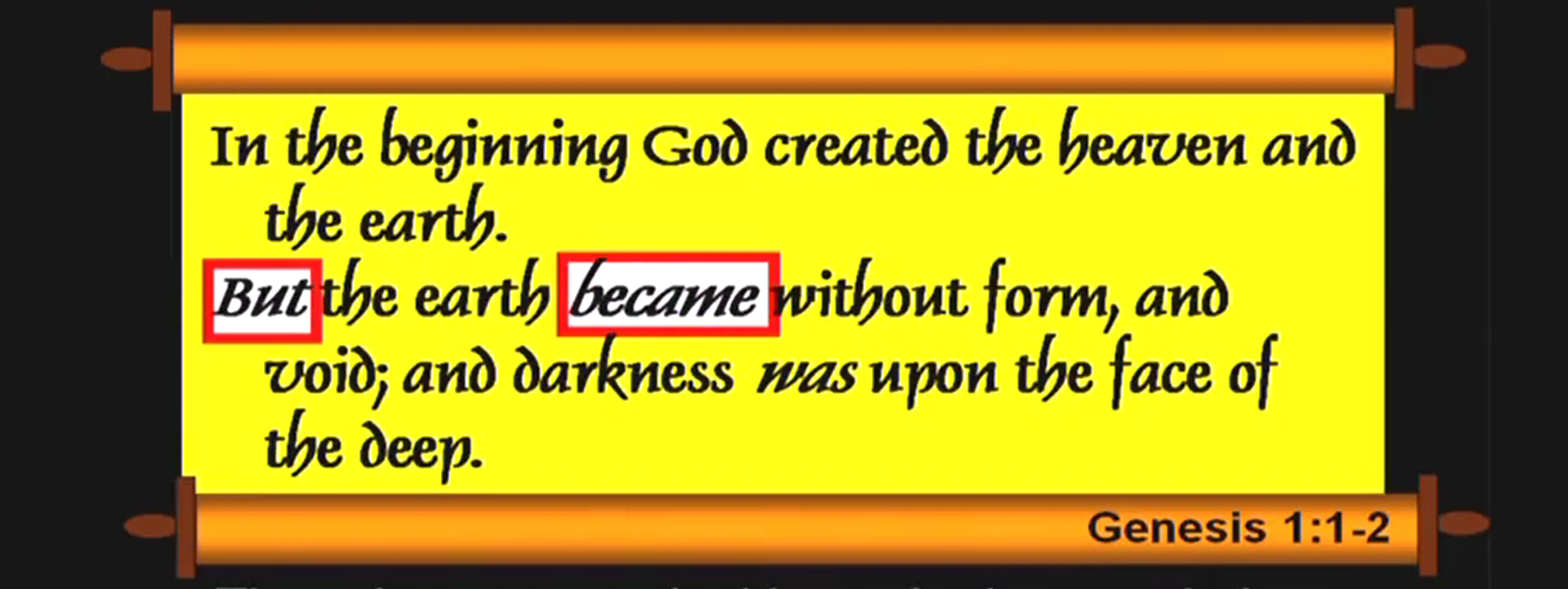
- In this view (Gap Theory), there is an interval between verses Gen1:1 and Gen1:2 during which Satan fell and the earth was judged (and verse 2 onward is a reconstruction)
- Who is the “god of this world”? Satan (2 Cor 4:4)
Luke 4:7

- Satan’s offer was valid but the terms were unacceptable
- The Father had already promised to give the Son all the kingdoms of the world (Ps 2:7-8)
- But first the Son had to suffer and die (John 12:23-33, Rev 5:8-10)
- Satan was offering Jesus a shortcut (cf. Matt 16:21-23):
— “You don’t have to go to the cross. If you worship me, I’ll give you all of this myself.”
— Apparently, he had the authority to do that, but Jesus did not have the authority to accept it
— Jesus was committed to His Father and to what He told Him to do
Luke 4:8
- Jesus is quoting Deut 6:13 (and Deut 10:20)
- “…Get thee behind me, Satan:” not in NASB
- In Deuteronomy, Moses warned the people about their attitude when they finally were to get into the land and achieve some glory and dominion
— (When we are prosperous, that’s when we’re in real danger)
— The temptation for them would be to praise themselves and forget to worship God
— Jesus, by quoting the verse, showed that He would not make that mistake: He would give Godhead the credit and not take it for Himself—He would not fail as Israel had failed
- Satan has always sought worship (Isa 14:12-17)
⚡️ Isa 14:12-13
- “…For thou hast said in thine heart,” — that’s where the sin begins, in the heart
- “…I will exalt my throne above the stars of God” — idiom for angels
⚡️ Isa 14:14-16
⚡️ Isa 14:17
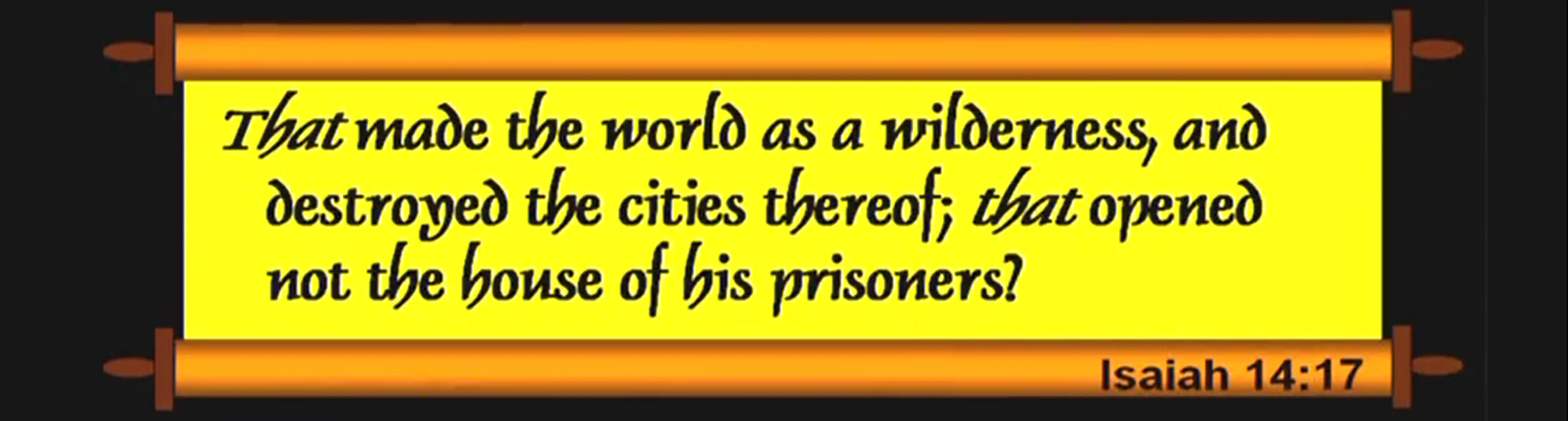
- Some scholars suspect that this might be alluding to something that preceded Gen 1:2, but that’s a speculation
- Satan has always sought worship (Isa 14:13-14)
— Whatever we worship, we will serve
— We become like the gods we worship (2 Kgs 17:15, Ps 115:8, Psalm 135:1)
— That’s why we need to worship Christ!
- Man’s greatest problem today is how to push aside every other allegiance but the eternal one
— We need to be very cautious where are our allegiances and what are our priorities

- In the Matthew account (Matt 6:9-13), Jesus subsequently gathers His disciples on the mount and teaches them to pray (in what should be called “the Disciples’ Prayer”—the real “Lord’s Prayer” is found in John 17)
- The Disciple’s Prayer teaches us:
🙏 1) to approach God as Father
🙏 2) to recognize His holiness (in contrast to the ruler of this world)
🙏 3) to desire His kingdom and doing His will
🙏 4) to pray for our daily bread
🙏 5) and the forgiveness of our sins
🙏 6) to ask to be kept from testing
🙏 7) to be delivered from the evil one
- The Matthew account echoes the words that Satan had used in his preposterous claim:
— The disciples are taught to ascribe The Kingdom, the Power and the Glory to God alone
— [Cf. The Kingdom, Power and Glory, by Chuck and Nancy Missler, 2009.]
— [The Roman Catholic Church uses the shorter form of the prayer as found here in Luke, which excludes “For thine is the kingdom, and the power, and the glory, for ever. Amen.”]
- The world cannot solve any of its own problems because it is subject to the one who is the god of this age
— “And even if our gospel is veiled, it is veiled to those who are perishing, 4 in whose case the god of this age has blinded the minds of the unbelieving so that they might not see the light of the gospel of the glory of Christ, who is the image of God.” (2 Cor 4:3-4 NASB)
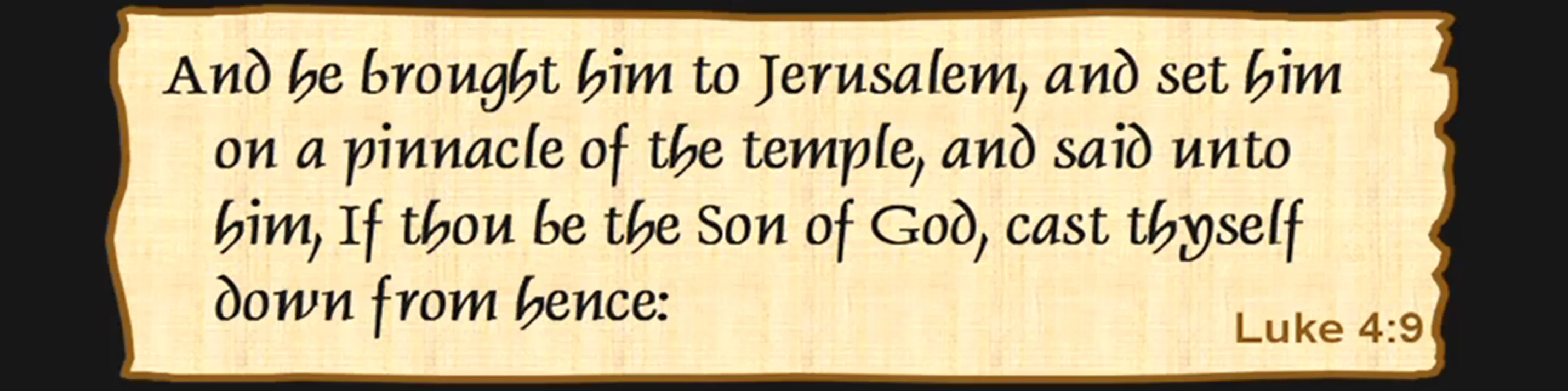
Luke 4:9
Luke 4:10-11
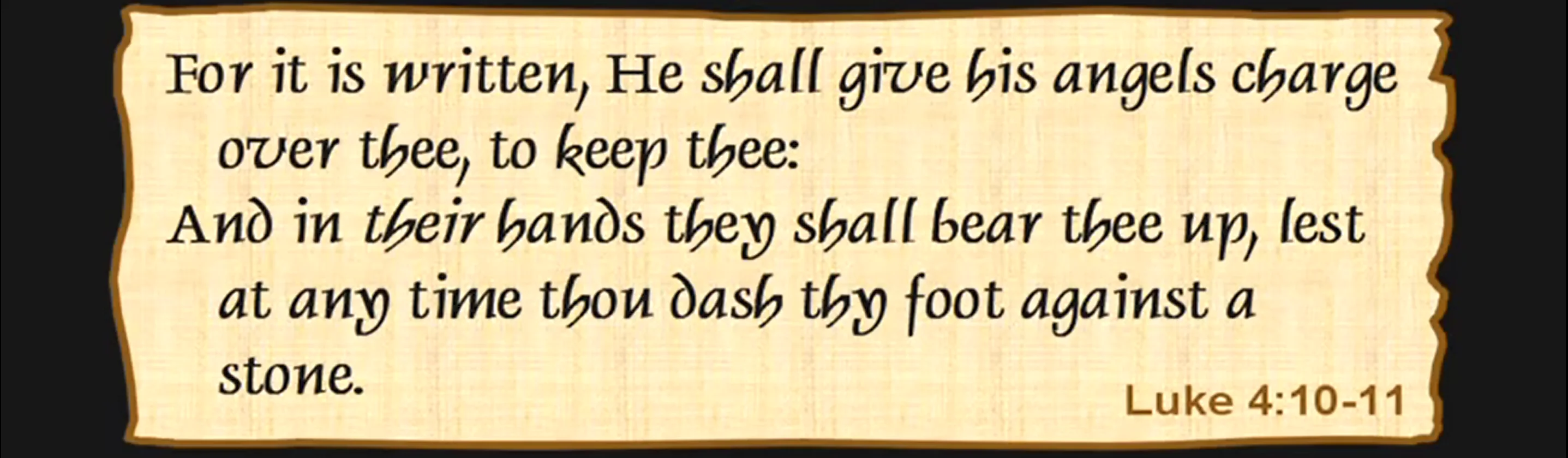
- Satan goes on quoting the Scripture
- Just because Scripture is being quoted, doesn’t mean it is of the Holy Spirit
— Quoting Scripture isn’t enough. Satan can do it
— Satan misquoted Psalm 91:11-12; he omitted the phrase “in all thy ways”
— Satan’s first step: to create doubt in God’s Word
Luke 4:12

- In Matt 4:7: “On the other hand, it is written,…” (NASB) or “Again, it is written,…” (LSB)
- Jesus quotes Deut 6:16, balancing Scripture with Scripture
— The ultimate context is the “whole counsel of God” (Acts 20:27)
— There are heresies that derive from a single verse (one-verse Theologies)
— Proper Theology must reconcile with the whole counsel of God, not just one verse taken out of context
- The pinnacle was probably the high point in the southeast corner of the Temple, far above the Kidron Valley
- Satan attempts to get Jesus to seek acceptance of the people without going to the cross
— Testing whether God’s plan is really the only way
— That was exactly the situation Moses wrote about, which Jesus quoted (Deut 6:16)
— Moses referred back to a time when the people wondered whether God was really with them (Exo 17:7)
- Jesus was confident of the fact that God was with Him and that the Father’s plan and timing were perfect
— Trust never employs tricks to find out whether the one trusted is trustworthy
— If there was any other way, Father would have answered the prayer (Jesus prayed in Gethsemane)
- When a child of God is in the will of God, he can claim the Father’s protection and provision
— But if he willfully gets into trouble and expects God to rescue him, then he is tempting God
🍩 Rom 14:23

- In Jesus’ three temptations, Satan questioned: (in Luke’s order)
— First: The Father’s love
— Second: Jesus’ hope
— Third: The Father’s faithfulness
- The Pinnacle of the Temple:
— In the 70-Week Prophecy of Daniel (Dan 9:27), the term כָּנָף(kanaph) is translated “overspreading” in the King James Version (or wing in NASB), but it is also an architectural term for a pinnacle (sort of a pun)
— Perhaps there will be yet another who will accept Satan’s offer… (the Antichrist)
Luke 4:13

- Only for a season. (…until an opportune time. NASB) → he’ll be back
- “Let us be as watchful after the victory as before the battle.” —Andrew Bonar
- All human governments have been built up on one of three (false) foundations (re. Matthew’s order):
🍞 The Bread Basis: relying only on the physical
🔱 The False Religion Basis: emphasizing a spectacular (experience). Build your faith on the Word of God
⚔️ The Compromise Basis
- We have at our disposal the same spiritual resources that Jesus used:
1) Prayer (Luke 3:21)
2) The Father’s love (Luke 3:22)
3) The power of the Holy Spirit (Luke 4:1)
4) The Word of God: “It is written. . .” Memorize the Scripture
— “Thy word have I hid (treasured) in mine heart, That I might not sin against thee.” (Ps 119:11)
— Plus, we may come to Him as our sympathetic high priest to overcome the Tempter (Heb 2:16-18, Heb 4:14-16)

- An entire year appears to have elapsed between the Temptation and the continuing narrative (cf. John 1-4)
— Herod had silenced the voice of John the Baptist by putting him in prison
— Jesus moved into Galilee, into Herod’s tetrarchy, and made it His base of operations for the coming months
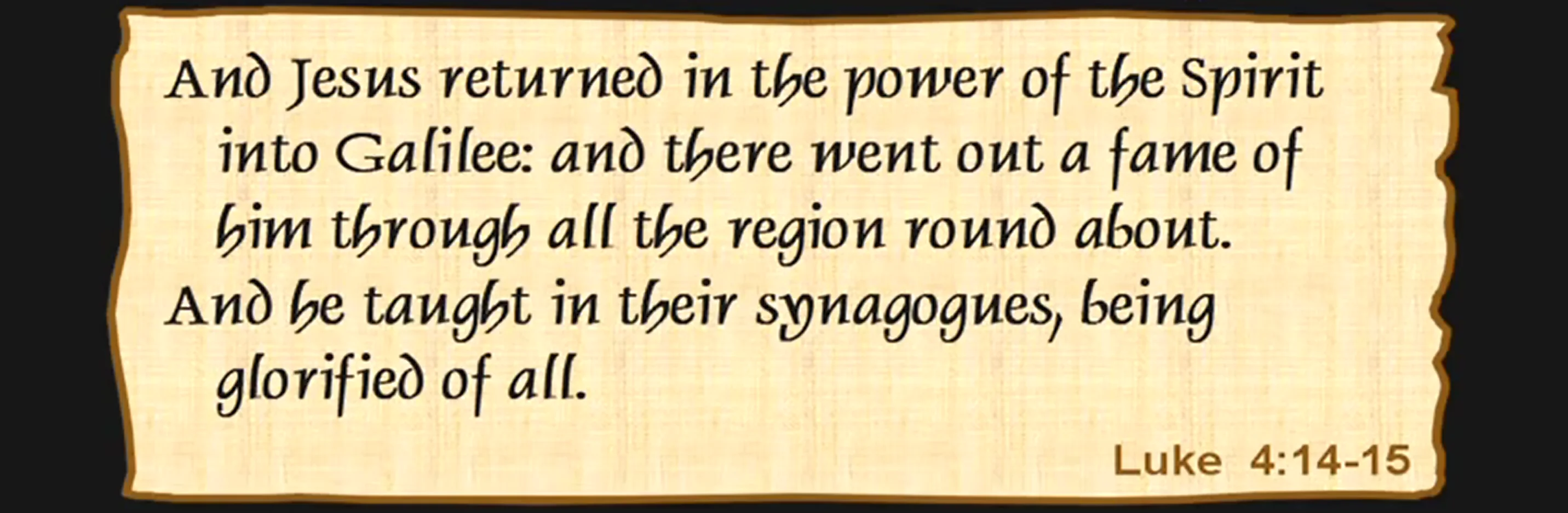
Luke 4:14-15 Jesus Begins His Ministry / The Beginning of the Galilean Ministry

Luke 4:16-17 Jesus Rejected at Nazareth
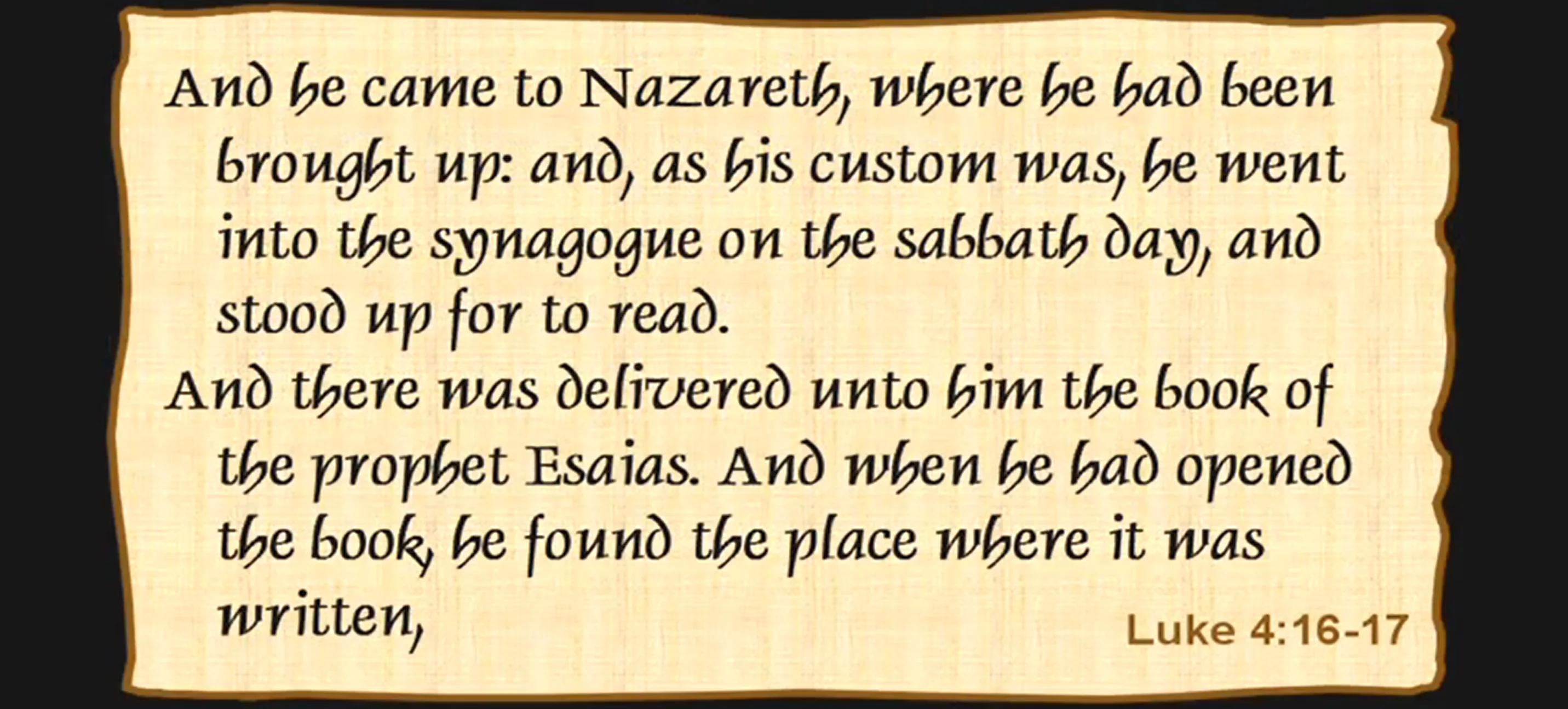
- He is picking the specific place that He is going to read from and He is going to make a startling declaration
Luke 4:18-19
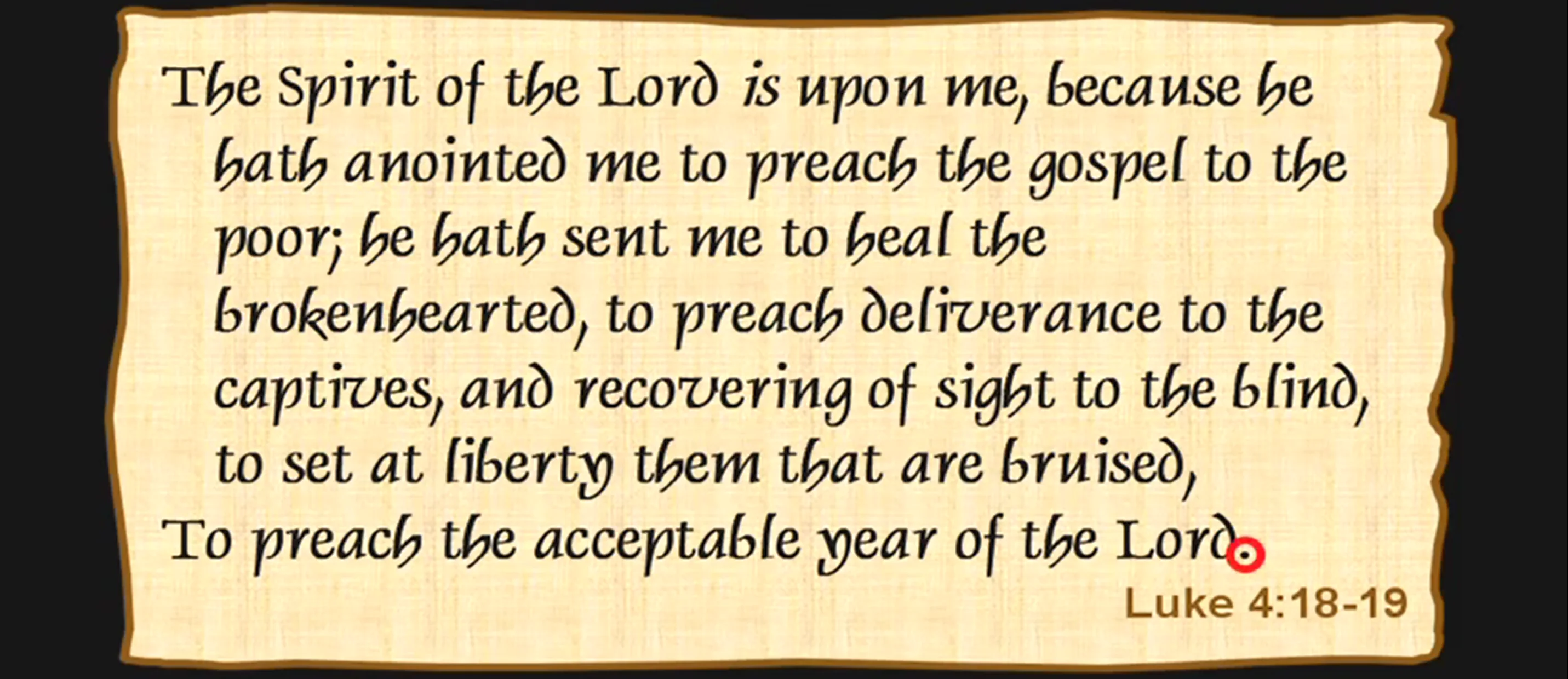
- Reading from Isa 61:1-2
- Note the period! He stopped at a point, which in our text would be a comma
- He is presenting His mandate to them
— The Jewish rabbis viewed this passage as Messianic (related to Messiah)
- Compare this with Isaiah 61:1-2 (the NT quote is from the LXX):
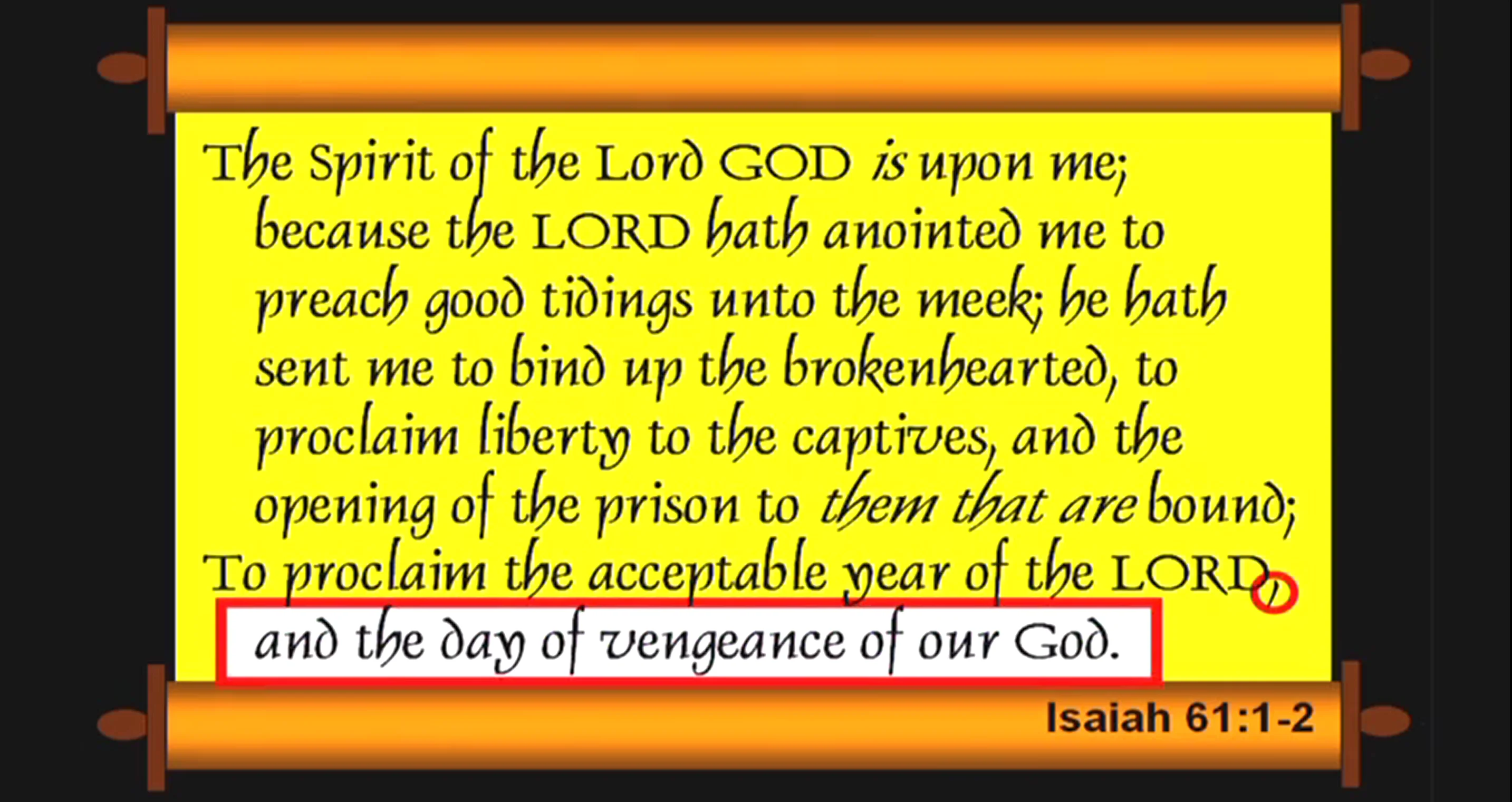
- “…and the day of vengeance of our God;” — Jesus didn’t read
- Sometimes what is missing is the most important point of all
- Jesus ceased reading at the “comma” (Luke was quoting the LXX)
Luke 4:20
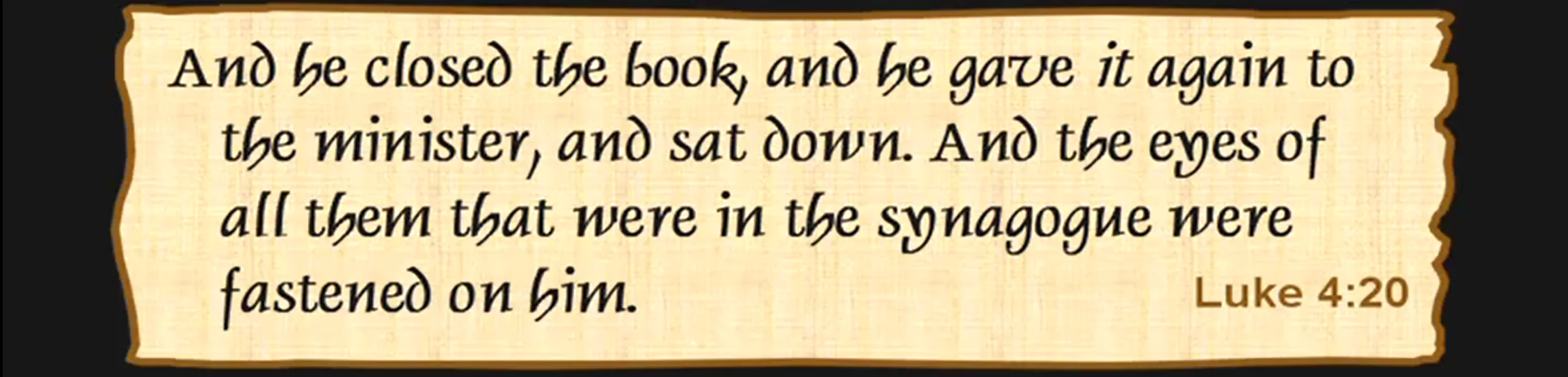
- In the Synagogue, a man would stand to read, but sit to preach
— Sitting down was assuming the position of the preacher
Luke 4:21

- You can imagine how shocked they were:
— He declared that they were witnessing the specific fulfillment of this prophecy
- (The remainder of the verse “the Day of Vengeance of our God” will occur at His Second Coming)
— that “comma” has lasted 2,000 years!
- The “acceptable year of the Lord” may be a reference to the Jubilee Year (Lev 25:8-12):
— slaves were set free
— leased property reverted back to the owners
— debts were cancelled
- Peter calls the Second Coming “the time of restitution of all things” (in his 2nd sermon in Acts 3:21)
— Peter was often “Mr. Foot-in-Mouth” in his own power (saying the wrong thing at the wrong time)
— When filled with the Holy Spirit, however, Peter spoke with great skill (Acts 2 & Acts 3)

Luke 4:22-24
Luke 4:25-26
- A Woman that was a widow, from Sarepta, a city of Sidon
- That is just a matter of history — that is recorded in 1 Kgs 17:7-16 that He is making a reference to
Luke 4:27
- Naaman the Syrian was the commander of the armies of Benhadad II (of Syria – the enemy of Israel) in the time of Joram, king of Israel (so the Captain of the enemy was healed)
— He was afflicted with leprosy, and when the little Hebrew slave-girl that waited on his wife told her of a prophet in Samaria who could cure her master, he obtained a letter from Benhadad and proceeded with it to Joram
— The king of Israel suspected in this some evil design against him—probably a pretext for war—and rent his clothes
— Elisha the prophet hearing of this, sent for Naaman, and the strange interview which took place is recorded in 2 Kgs 5:1-19
— He was cured of his leprosy by dipping himself 7 times in the Jordan, according to the instructions from Elisha
Luke 4:28

- Why? What offended them so?
— Whenever we, as Gentiles, might miss something, the Jewish leadership comes to our rescue
— We need to understand why they are so upset. Both of the examples were Gentiles (only a widow in the drought and only an enemy commander were healed, at times when many Jews were afflicted and could have been healed)
— Jewish audience was offended because He chose to emphasize that God is also in business of reaching the Gentiles — Jesus is alluding to the Doctrine of Election. . .
Luke 4:29
- (btw, all this was on the Sabbath Day…)
- When you visit Nazareth, you will understand this better: it is built on a hillside overlooking the Jezreel Valley
- Some wanted to kill him, but He was not killed until it was the proper time, when He chose to die
(John 10:15, John 10:17-18)
Luke 4:30


Luke 4:31 Jesus Casts Out an Unclean Demon

- “…came down to Capernaum” — some 600m difference in elevation (altitude)
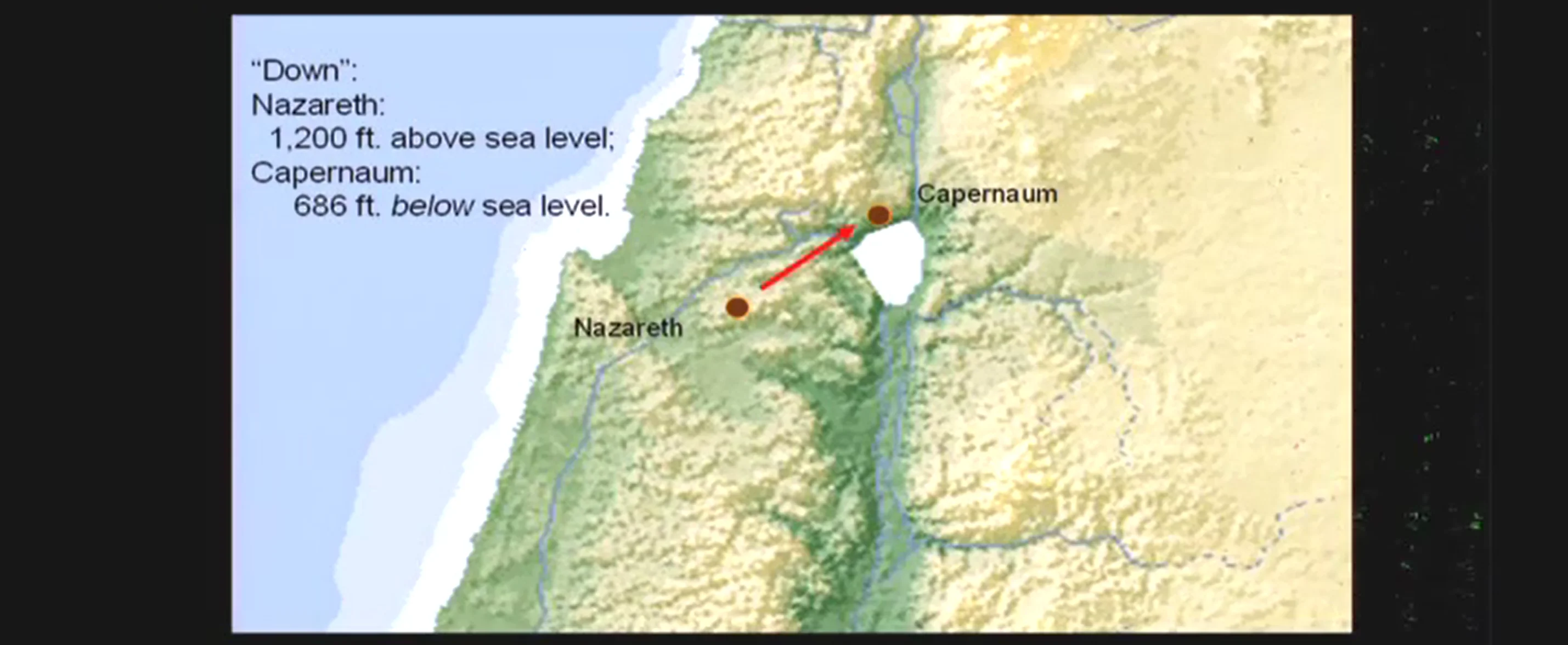
- According to Josephus, there were at least 240 towns and villages in this area, and Capernaum was the center of activity (a hub)
— Three primary highways joined there: to Tyre and Sidon, to Damascus and to Jerusalem
- Jesus established His headquarters here (Matt 4:13-16) — i.e. “His own city” (Matt 9:1)
- The synagogue in Capernaum was built by a Gentile, a centurion (Luke 7:5)
— One of its rulers of this synagogue was Jairus (Luke 8:41)
- The home of fishermen Peter and Andrew (also James and John)
Luke 4:32

- “…astonished” — ἐκπλήσσω (ekpléssó): “to strike with panic or shock”, “struck with amazement”

Luke 4:33-34 The Man With an Unclean Spirit (MEV)
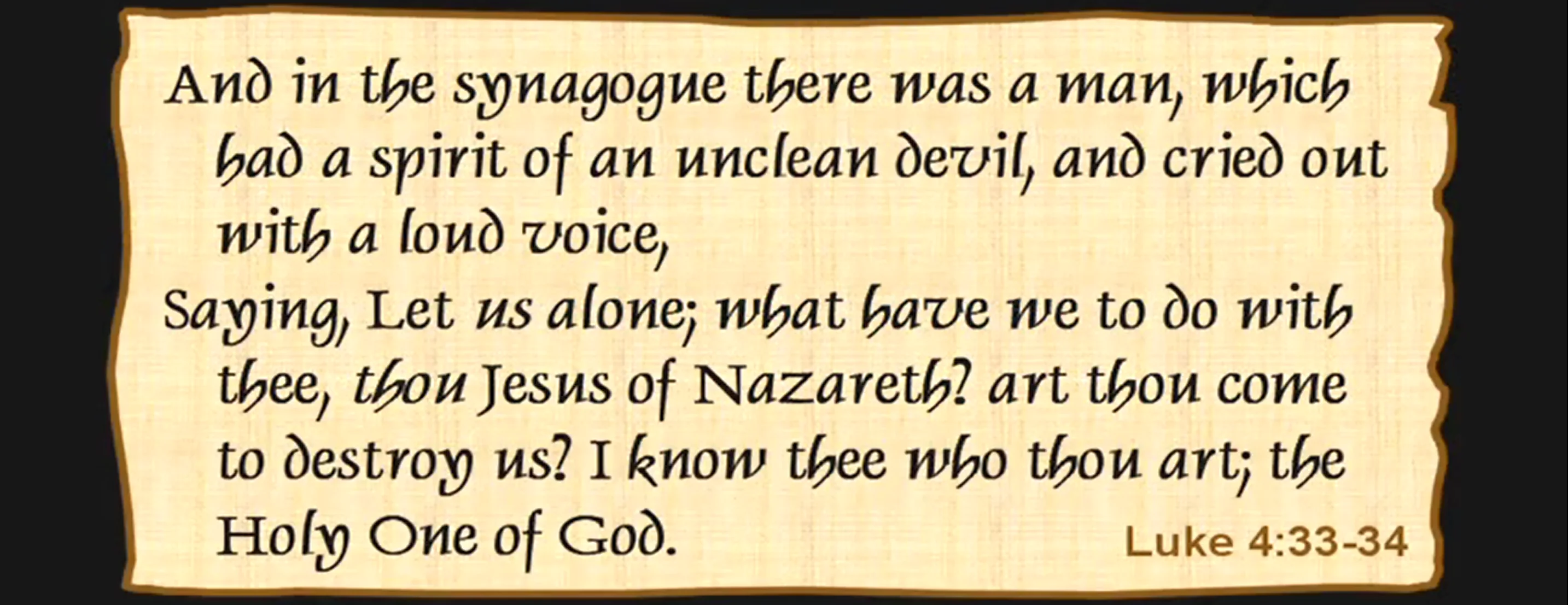
- We are not dealing with a psychiatric problem here, but a spiritual problem — an actual, malevolent, knowledgeable being that is inhabiting this guy (or two)
- “…what do we to do with thee?”
— They recognize who Jesus is
— They know their destiny and
— They certify that He is the Holy One of God
— Demons believe in God, and tremble (James 2:19)
- Note when they speak out, they refer to themselves in the plural (“Let us alone”)
Luke 4:35
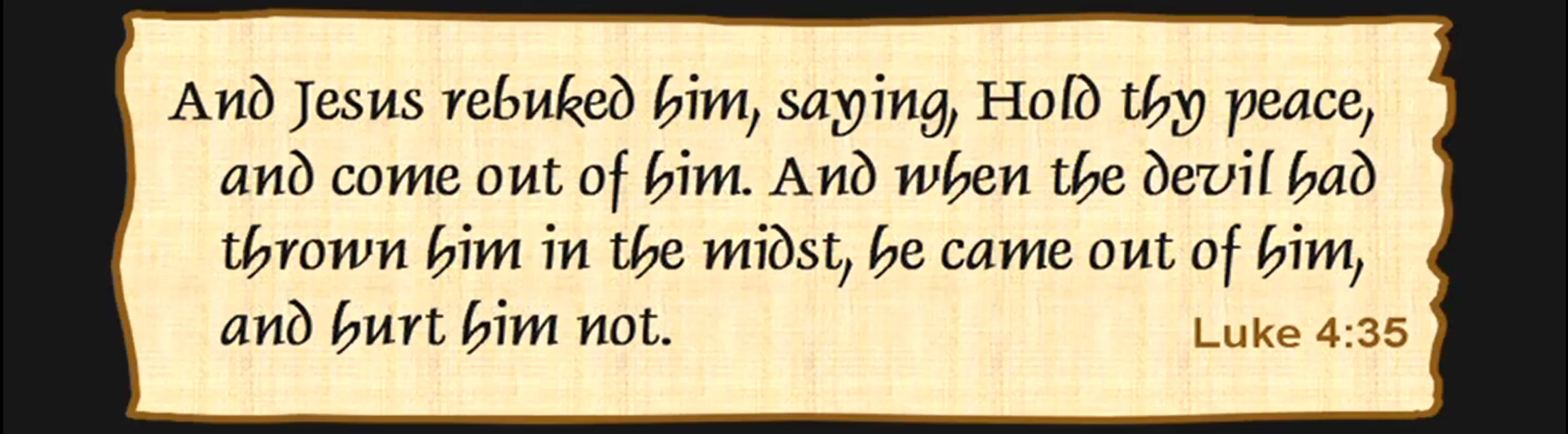
- “Hold thy peace” — Literally “Be muzzled!”
Luke 4:36-37
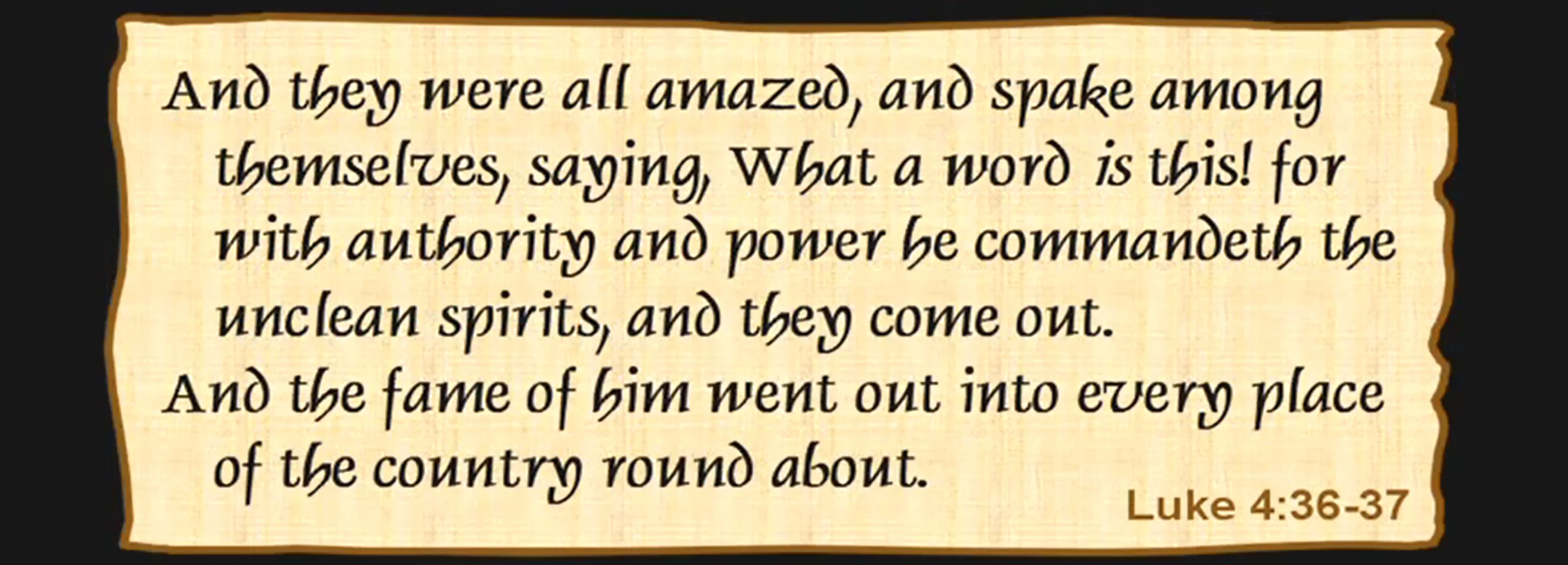
- “…they were all amazed” = dumbfounded

Luke 4:38 Peter’s Mother-In-Law and Many Others Healed
- Dr. Luke notes that it was a “great” fever — life threatening
Luke 4:39

- Jesus had rebuked a demon, he rebuked a fever and later would rebuke a storm (Luke 8:24)

Luke 4:40
- Shabbat was over. People could feel freer to come and be healed
Luke 4:41
- Jesus did not want His attestation to come from demons
- Again, the demons acknowledge who He is
- These are not “psychiatric” cases
- They were knowledgeable, malevolent spirit beings


👻 Eph 6:10

- Imperative Mood: This is a command
- Present Tense: Be continually strong
- Passive Voice: You receive the action (from the Lord)
- “…power…” — κράτει (kratei): “power that overcomes resistance” (as used in Christ’s miracles)
- “…might” — ἰσχύος (ischyos): of God’s inherent strength
👻 Eph 6:11

- “Put on the whole armour of God…” — not just a few pieces, all 7 elements of armor of God
- The form of the Greek imperative “put on” indicates that believers are responsible for putting on God’s (not their own) full armor πανοπλίαν (panoplian)
— Be completely armed is what it really says (also in v. 13)
— Do it before the battle begins…you are already on enemy’s turf!
👻 Eph 6:12
- Against ranks of (fallen) angels and demons…
- “…rulers” — κοσμοκράτωρ (kosmokratór): or “Cosmocrats”, high ranking angels (not a euphemism)
- However, Christ’s authority is comprehensive — He has authority over those
- All these things have their root in career of Satan (cf. Isaiah 14, Ezekiel 28)
- These refer to knowledgeable, resourceful beings who are out to:
— destroy you
— deceive you
— confuse you and
— get you to doubt God
- It usually goes in inverse order: first they cast doubt, confuse you, deceive you, with a goal to destroy you
- Deceit is Satan’s primary weapon
- Jesus opens and closes many of His discourses with a command: “Be not deceived”
— That is a command, not a suggestion
- Your armor is essential and from God
- Do a careful study of Eph 6:10-18… and review it periodically!
- Your spiritual survival hangs on doing that
📢 Matt 28:18
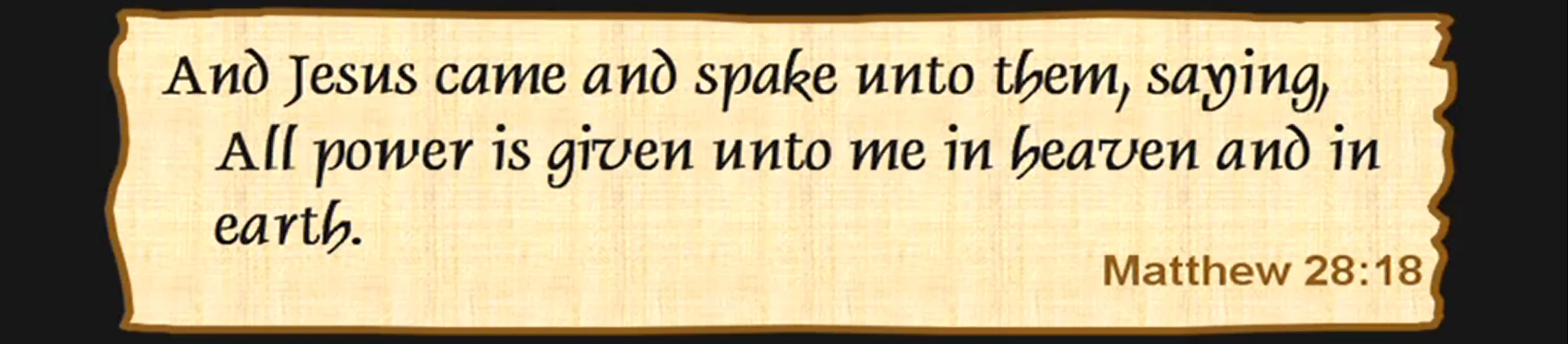
- “…Greater is he who is in you than he who is in the world” (1 John 4:4)

Luke 4:42-44 Preaching in the Synagogues (MEV)
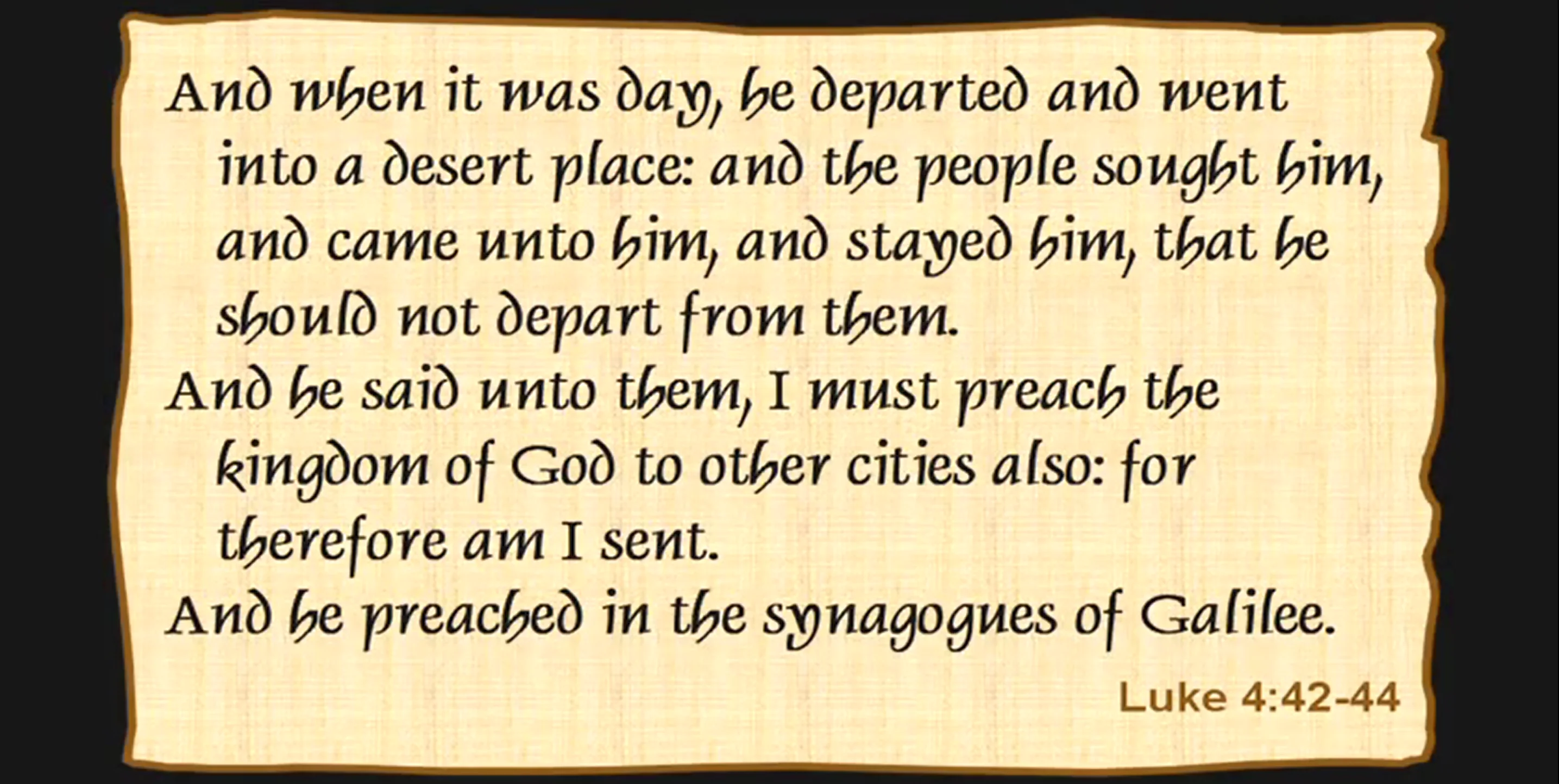
- “…synagogues of Judea” (NASB) — The country of the Jews (including Galilee)
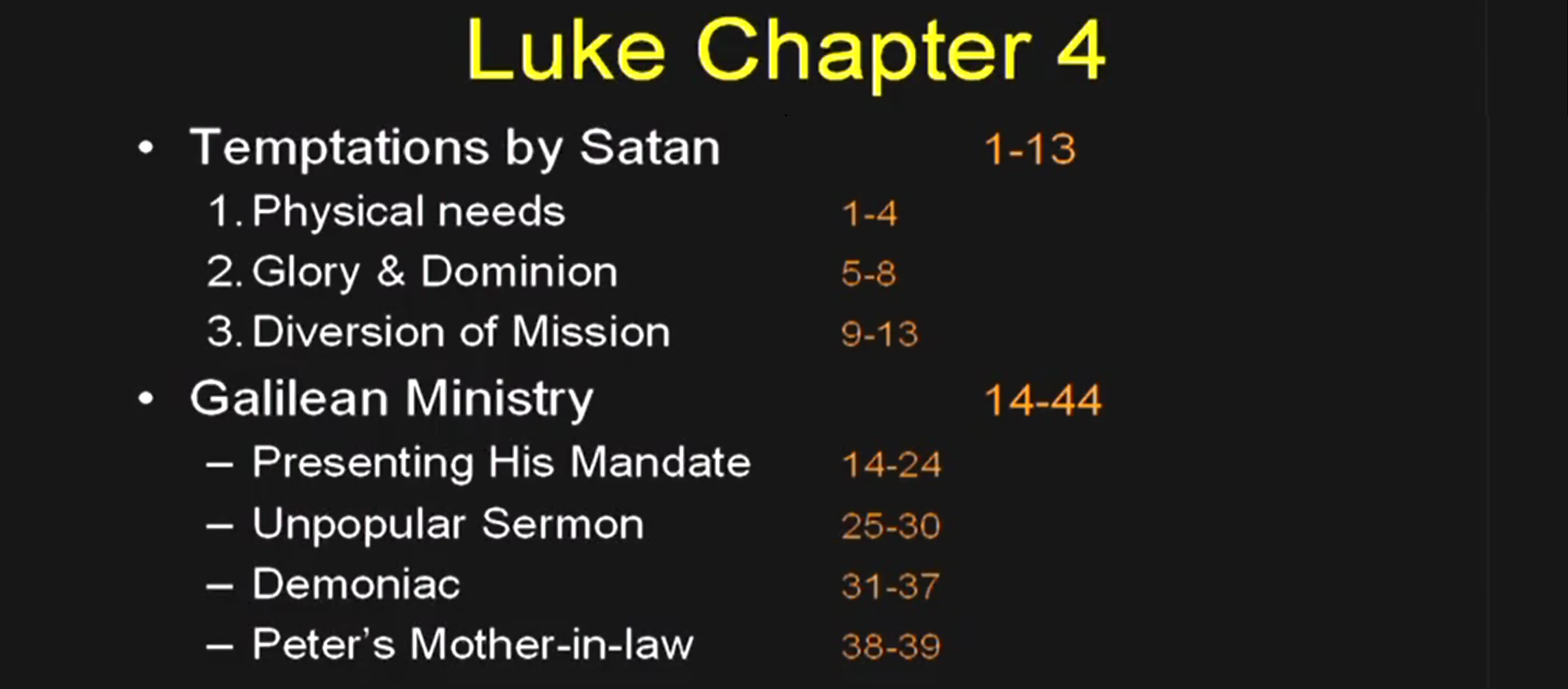
That was Chapter 4 — we are going to continue next few Chapters with Jesus’ ministry in Galilee