s10 (Ch 10) 70 Sent Out, Good Samaritan, Bethany (studied 10-Feb-2026)
The Book of Luke with Dr. Chuck Missler

The subsections of Chapter 10 (per NASB/LSB/MEV) are:

- Sending out Disciples (vv. 1–24) — Recorded only in Luke
- What Shall I do (to inherit eternal life)? (vv. 25–29) — a certain lawyer tempted Jesus
- The Good Samaritan (vv. 30–37)
- Visit to Bethany (vv. 38–42)

- Luke is a Greek physician — as a physician, he is interested in Jesus’ humanity
- Luke is also a Gentile, and as such he focuses on the reality that the Gospel is for all nations
— The Old Testament makes clear that the Messiah would bring blessings to all nations
— There are many prophecies that the Gentiles will be beneficiaries of God’s kingdom (especially in Isaiah)
— Luke helps us see through Matthew’s Jewish veil and presents a broader perspective
- This section contains instructions similar to those given to the Twelve in Luke 9:1-6
— He sends out 70 (or 72) disciples on a special errand with a high degree of urgency
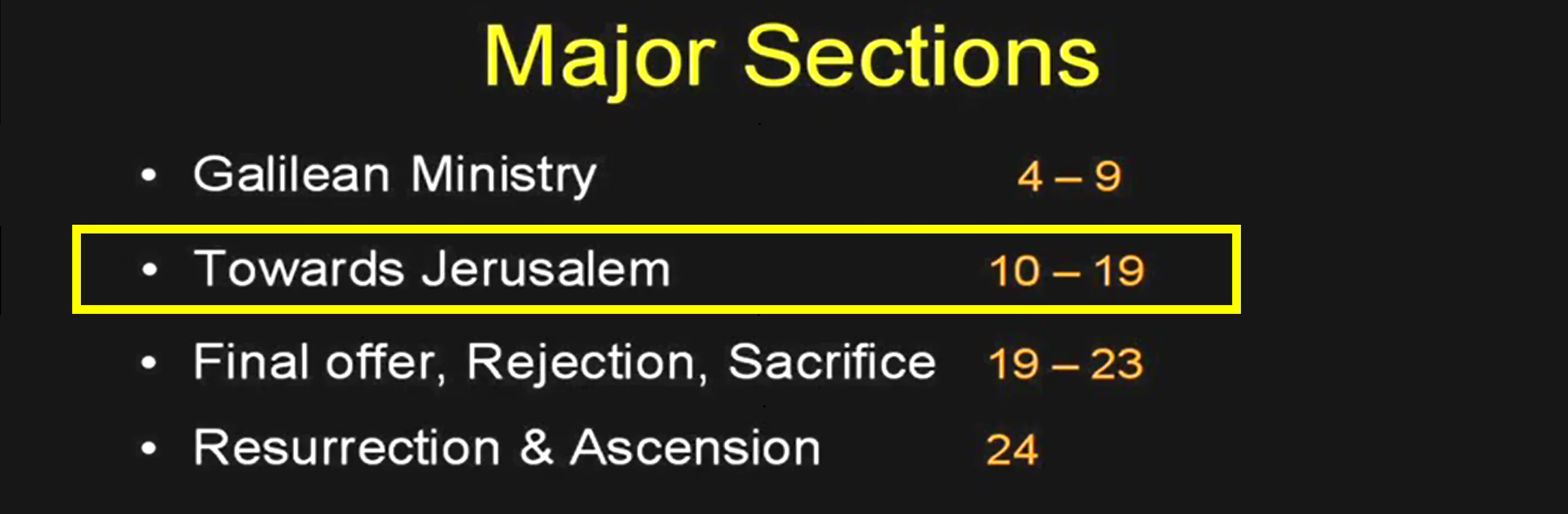
- Now Jesus is focusing on Jerusalem and He teaches His disciples openly about the Cross
- Chapter 10 opens with an incident that is only recorded in Luke

Luke 10:1 The Seventy Sent Out

- “…the Lord appointed other seventy” — did he send 70 or 72?
— Some Greek manuscripts in verses 1 and 17 have “70” and others have “72”
— It is not easy to resolve — both readings have strong manuscript support
— Is there significance in either 70 or 72?
- Potential Symbolic Significance of 7️⃣0️⃣
— Moses’ seventy elders (Exo 24:1, Exo 24:9, Num 11:16-17, Num 11:24-25) to whom he delegated lesser work
— 70 nations on the earth (Gen 10-11) (However, the LXX lists 72!?)
— 70 members of Jacob’s family when they went down to Egypt during the famine (Gen 46:27)
— Sanhedrin’s 70 members (when high priest is not counted)
— Moses’ commandments heard in 70 languages (according to Rabbinic tradition)
- Potential Symbolic Significance of 7️⃣2️⃣
— The Jews had local counsels of 72 [Mishna Zebah. 1.3; Mishna Yad. 3.5; 4.2]
— 72 translators of Septuagint [Letter of Aristeas 46-50] in 270 BC
— The Old Testament was translated into Greek by the 72 best Hebrew scholars in Alexandria
— Septuagint tradition of 72 nations in Gen 10-11
- The 70/72 were disciples other than the Twelve
— They apparently remained with Jesus on His journey
— They were to give the Gospel a jump start
Luke 10:2

- This is widely misunderstood — what harvest is He talking about?
— He is talking about the presentation of the Kingdom prior to His arrival into Jerusalem
— Kingdom has been rejected — instead of accepting it, they crucified Him
— We are not harvesting, we are sowing seed (different era, different task)
Luke 10:3-4
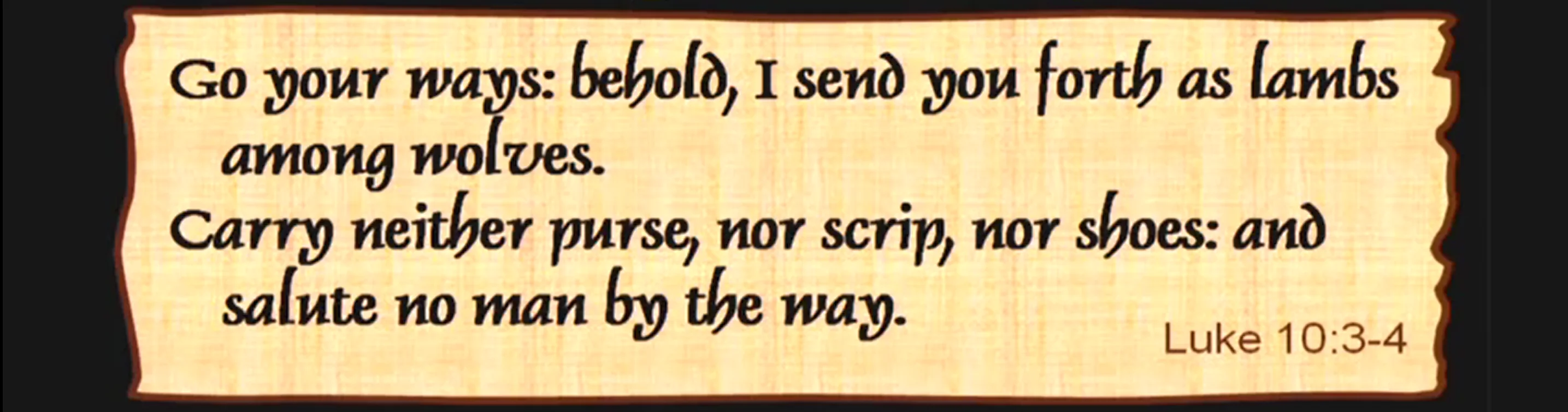
- Their mission was dangerous 🐺 🐑 🐺 (v. 3) and required haste (v. 4)
Luke 10:5-6

Luke 10:7
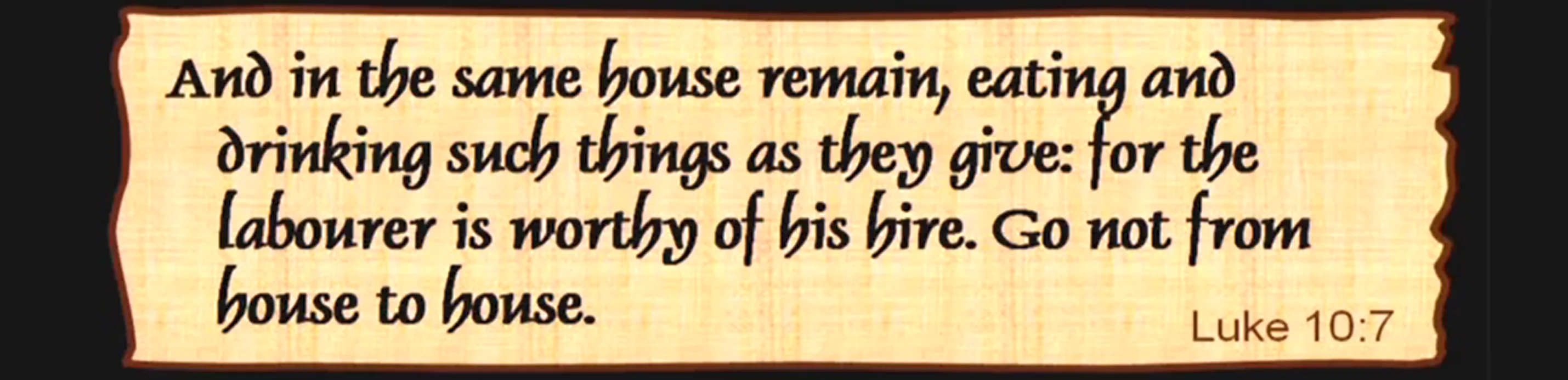
- “…the labourer is worthy of his hire” — the 72 were supported by those who accepted their message
Luke 10:8-9
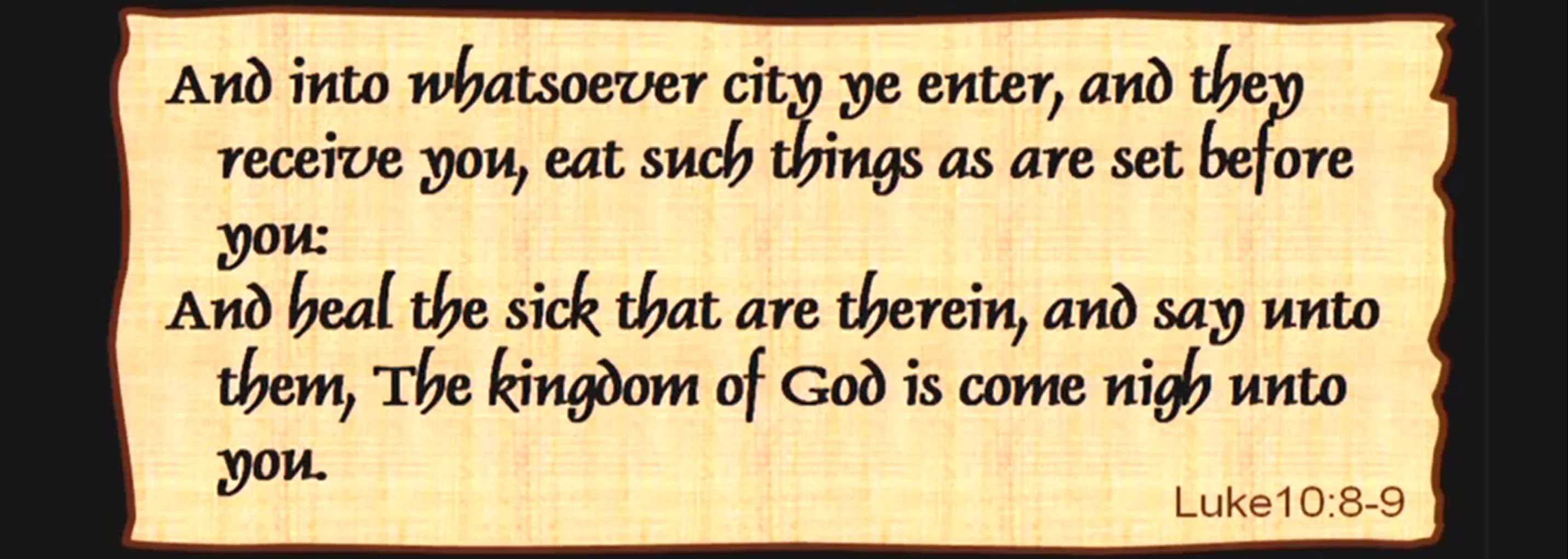
- ✅ “…they receive you”
- These people are selling the Kingdom message
— It is a message that is going to be rejected nationally
Luke 10:10-11
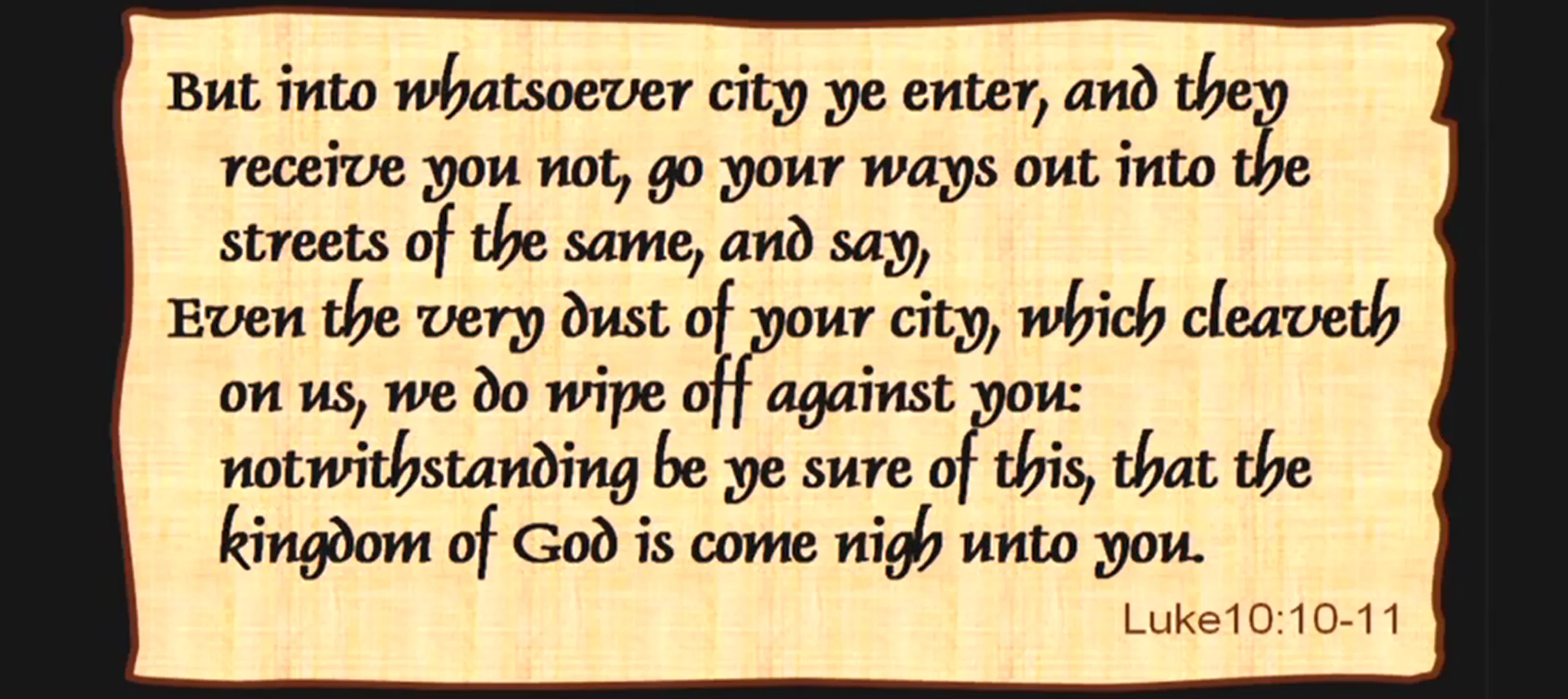
- ❌ “…they receive you not”
- Notice, their job is to announce it, not convince them — they were to declare the kingdom of God
— Through hospitality people would show whether or not they believed the message of the kingdom
— To the believing cities the message was to be:
“The kingdom of God is near you. The Messiah is coming and He would bring in the Kingdom”
— Did He? Did Jesus bring in the Kingdom? — No, they killed Him. They did not accept the Kingdom
- Even the cities that rejected the message were to be told that the kingdom was near
— It wasn’t their job to make the people believe
Luke 10:12

Luke 10:13-14 Unrepentant Cities (MEV)
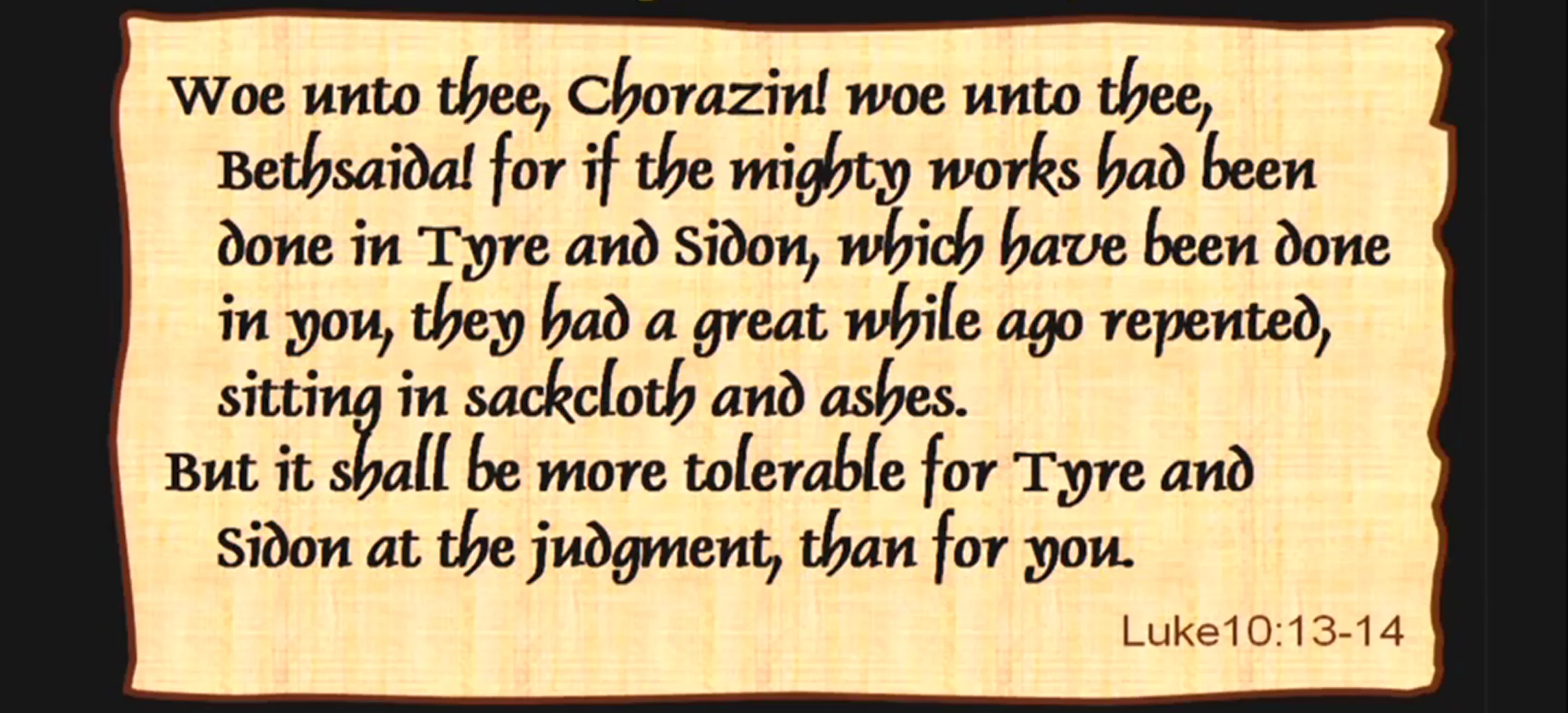
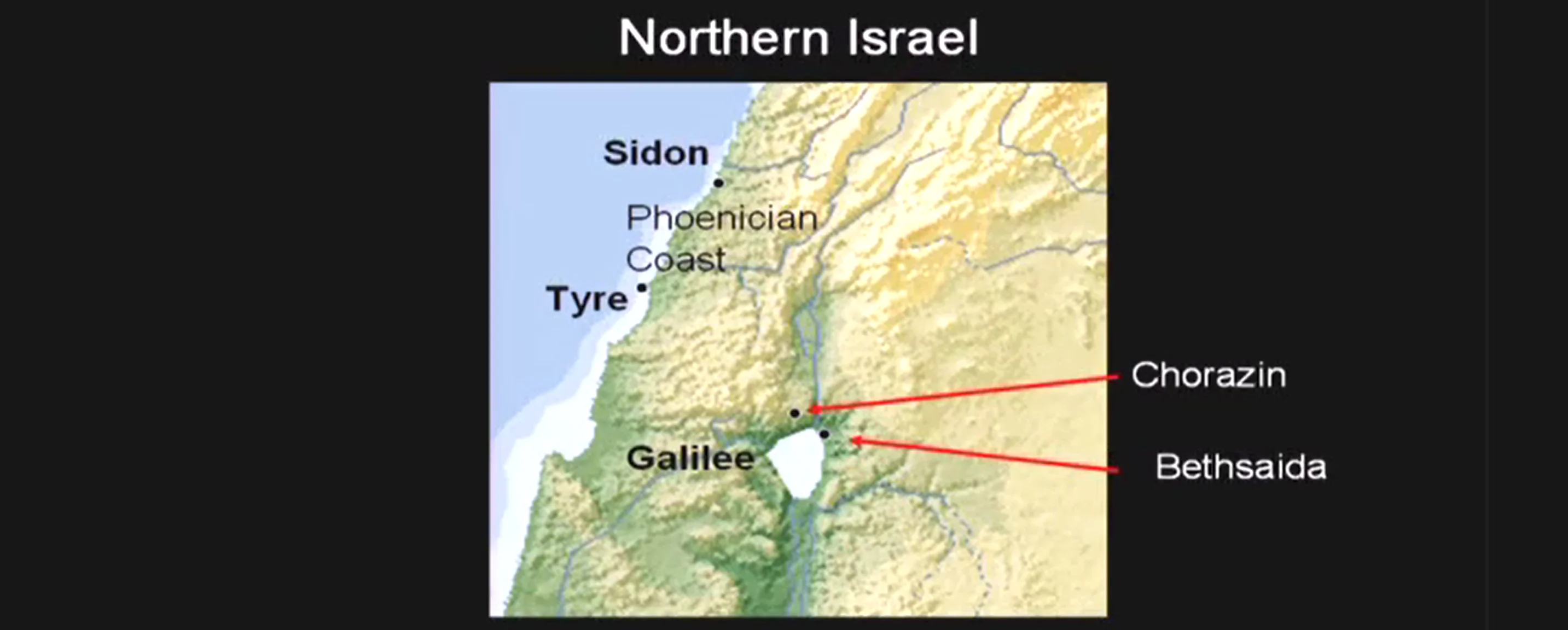
- Chorazin & Bethsaida
- You are judged by what has been revealed to you
— Since Chorazin and Bethsaida had the opportunity to see much more, more is required of them
— Where does that put us?
— The Word of God is more available to us today than it’s ever been in the history of mankind
Luke 10:15


- Capernaum:
— “…which art exalted to heaven” KJV
— “…will not be exalted to heaven, will you?” NASB
— “…will you be exalted to heaven?” LSB
- These are tough words from the Ruler of the Universe (Capernaum was His headquarters)
- Jesus warned the surrounding towns against rejecting the 70 because that meant rejecting Jesus and the Father (v. 16)
- He also singled out His adopted hometown, Capernaum, which also had been a site of His miraculous works
— The miracles that they saw there left them without excuse
— Are you without excuse?
Luke 10:16


Luke 10:17 The Joyful Results / The Return of the Seventy (MEV)

- They returned apparently excited, it went well
Luke 10:18

- When did Satan fall from heaven?
— At the Cross? The cross hadn’t happened yet
— Between Gen 1:1 and Gen 1:2, when God recreated the world after a judgment?
⚡️ A highly controversial idea (hints at Isa 45 and Jer 4)
📌 An authority in this field: George Hawkins Pember (1837-1910 aged 73)
- Satan’s power is broken — Jesus has authority over it
Luke 10:19

- Who is He talking to? The 70 or us? There is a lot of evidence that their situation is different than ours
- Another debate:
— Permanent power for all Christians?
— A power unique for their particular ministry? (more likely)
- The disciples had to have the power of healing to have the credibility to get the message to people
— We notice that was true up until the cross
— Upon the resurrection of Christ (and Church being born), the incidents of healing get fewer
— When we get to Paul, there are healings but they are not predictable (cessation kicked in)
Luke 10:20
- We should be in that camp too. It is vastly more significant that our “…names are written in heaven”
- “I never met a demon I liked.” —Walter Martin

Luke 10:21 The Rejoicing of Jesus (MEV)
- The people who were following Jesus were not “the important people” of the nation
— they were not considered the wise and learned
— (Paul and Luke came later)
- They had become like little children to enter into the kingdom, and thus they knew the Son and the Father
Luke 10:22
Luke 10:23-24
- The One they reject is the only one who can open the portal to the Father
— They rejected Him and were blinded
— Not forever though (Rom 11:25)

- “…a scholar of the Law stood up and was putting Him to the test, saying, “Teacher, what shall I do to inherit eternal life?”” (Luke 10:25 LSB) — he wanted approval that he had achieved righteousness on his own, did not consider he needed Jesus
- Genesis 3:7 once again:
— Adam and Eve had sinned
— They tried to cover themselves with leaves (first act of religion on planet Earth)
— God gave them skins to cover them
Luke 10:25

- “What shall I do?” — that’s a good question — also asked by The Rich Young Ruler (Matt 19:16-22, Luke 18:18-23) and Nicodemus (John 3:1-15) You Must Be Born Again
- Three Critical Matters
① There is a life that is eternal (the lawyer understood that)
② It is an inheritance (cannot be earned, but can be forfeited — due to lack of obedience and/or faith)
③ By what means can one qualify for this inheritance?
- The question in this case was not sincere, as can be seen from few points in the text:
— The lawyer wanted to test Jesus (he knew God should not be tested, but he did not consider Jesus to be God)
— He called Jesus “Teacher” — διδάσκαλε (didaskale), Luke’s equivalent of a Jewish Rabbi (just a Rabbi for him)
— After Jesus answered the man’s question, Luke recorded that the man wished to justify himself (v.29)
— Jesus answered his question with two other questions, driving the Law expert back to the OT Law (v.26)
Luke 10:26

Luke 10:27

- The expert answered correctly by quoting from Deut 6:5 and Lev 19:18
— One must love God and one’s fellowman in order to keep the Law properly
— He quotes the Sh’ma (Deut 6:4-5) and correctly connects “the law” with “love”
Luke 10:28

- “…this do…” if you can — that’s the catch
⚖️ Gal 2:16

- You can do all the law keeping, you won’t do enough to justify yourself, because you cannot do it perfectly
- The law is our schoolmaster
— The law is to show us our need for the perfections that are available only by the grace of God through Jesus
⚖️ Rom 8:3-4
- By walking after the Spirit, we have imputed to us the righteousness of Christ (justification)
— He paid our entrance fee to Heaven on the Cross
— We can’t add to it — it’s insulting (blasphemous) for us even to try
Luke 10:29

- The very fact that the lawyer is going down that road, tells us that his question is a setup (not sincere)

- Jesus then just tells him a story (by some, the most elegant story ever written)
- The story is in a posture of a parable, but most likely wasn’t a contrived story — it actually happened
Luke 10:30 The Good Samaritan

- The road from Jerusalem to Jericho descends approximately 3,000 feet (~1,000 m) in about 17 miles
- It was a notoriously dangerous road to travel for robbers hid along its steep, winding way
Luke 10:31
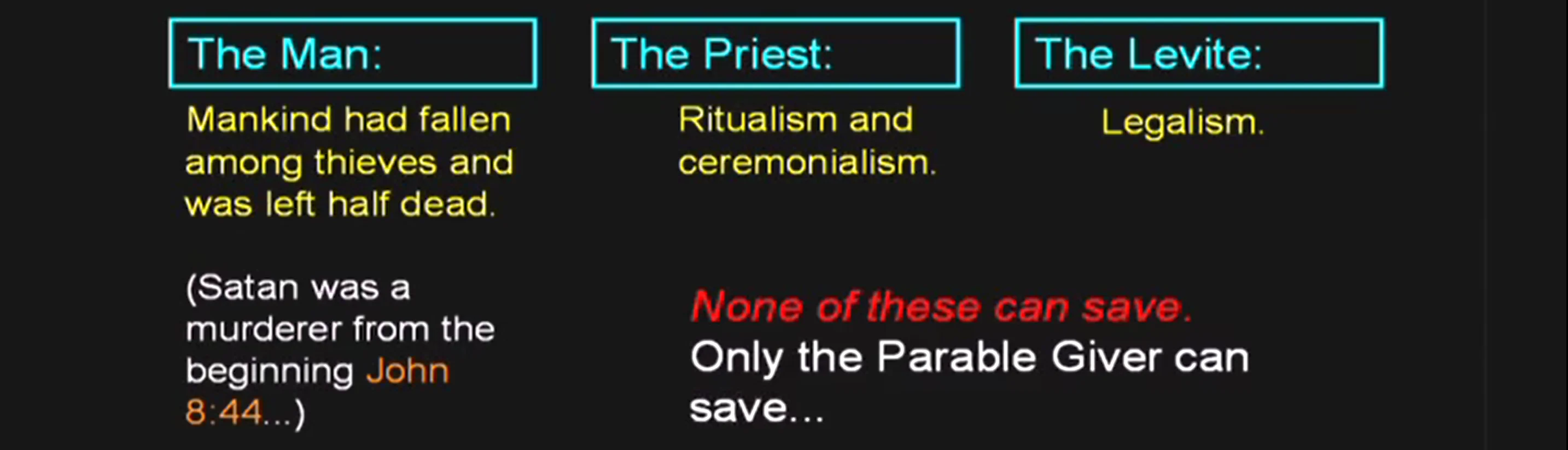
- A priest, one expected to love others, avoided the wounded man (probably a fellow Jew)
Luke 10:32

- Levites were descendants of Levi but not of Aaron (Aaron was a Levite and priests were Levites)
— They were members of the tribe of Levi who were not priests
— They assisted the priests (Aaron’s descendants) in the temple
- Both characters in this story so far, priest and Levite, were Jewish
Luke 10:33
- Origin of Samaritans
— The roots of their scorn went back centuries to 722 BC, when Assyria conquered the Northern Kingdom
— After Solomon’s death, Israel split into two kingdoms, North and South
— Jeroboam led the North into idolatry
— They prospered for two centuries, but then God wiped them out for their idolatry and social injustice
— The Southern Kingdom also fell into idolatry, but lasted more than a century longer
— God used the Assyrians to wipe out the Northern Kingdom
— It was not like the fall of the Southern Kingdom, which returned from captivity after 70 years
— The Assyrians had a policy of transporting captives and commingling them to break down tribal and family loyalties. The Israelites in the Northern Kingdom lost their identities as Jews. The residents of the Northern Kingdom became mixed. Later on, they were considered half-Jewish
— Samaritans did embrace the Torah and some aspects of Judaism
— Samaritans interpreted certain passages more correctly than the Jews; e.g. the Feast of Firstfruits: The morning after Shabbat after Passover (Lev 23:11) — Passover is nailed in calendar so it can fall on any day of the week, but the rest makes the Feast of Firstfruits fall on what we call Sunday (first day of the week) in anticipation (predictive) of resurrection of Jesus Christ. Jews had a slightly different way of interpreting, which was not (as) correct
— Jews viewed non-Jews as lower than low (Samaritans were presumptuous in Jewish mind)
- Priest and Levite passed without helping and this despised low-life presumably comes along, has compassion on this guy and turns out to be an example we all want to follow
Luke 10:34
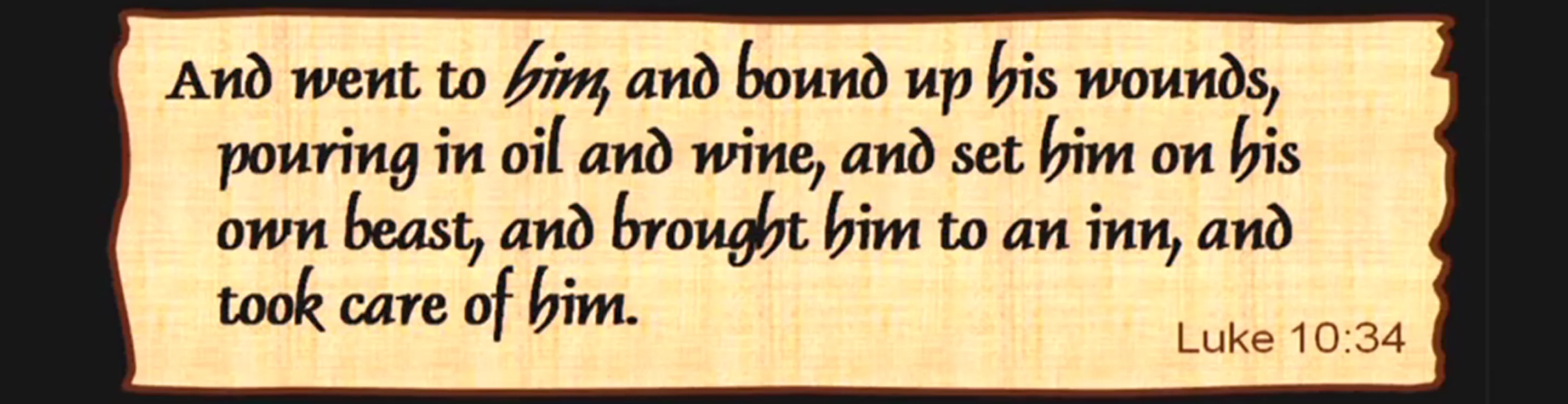
- He is not finished — that’s just for starters
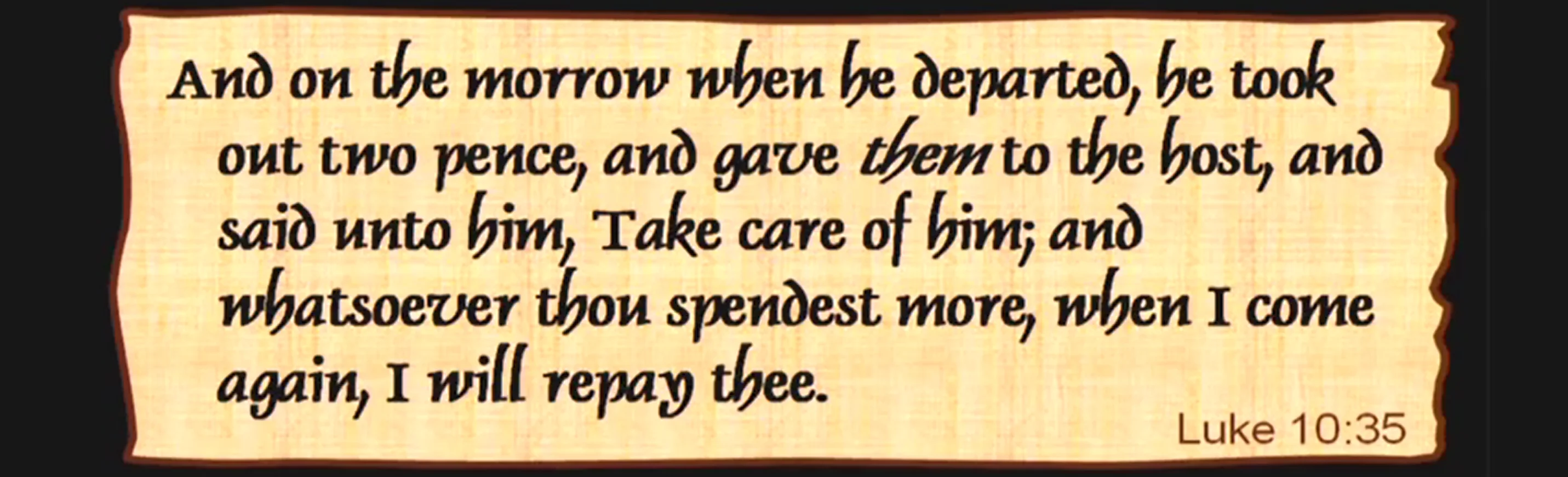
Luke 10:35
Luke 10:36
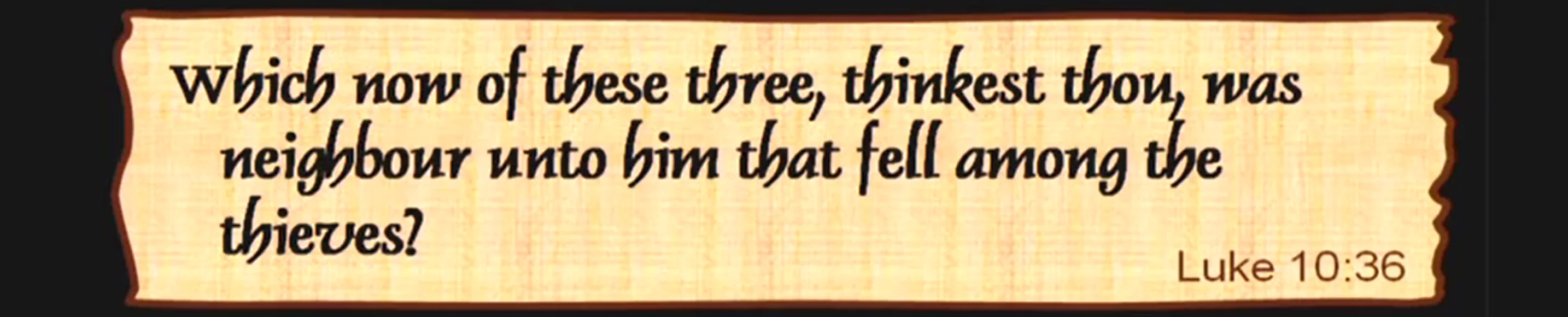
- The punch question
- The ultimate Neighbor was Jesus, whose compassion contrasted with the Jewish religious leaders who had no compassion on those who were perishing
Luke 10:37

- “…Go, and do thou likewise” — that gives obedience to Lev 19:18
- This parable stands on its own two feet — there’s nothing one needs to add to the story, it’s pretty straightforward
— Here’s a guy that had needs
— He was rejected by the usual
— This exception comes by and just gives himself
- There are people who try to build all kinds of analogies here, but those may not fit
— Some suggest an allegorical application


Luke 10:38 Martha and Mary / Visiting Martha and Mary (MEV)

- This is a household in Bethany that had Martha, Mary and Lazarus (cf. John 11:1-12:8)
- Jesus had to be in Jerusalem for the three mandatory Jewish feasts:
— Passover Time (Passover + Feast of Unleavened Bread + Feast of Firstfruits)
— Feast of Pentecost
— Feast of Tabernacles
- He would stay in Bethany at the home of Lazarus, Mary and Martha — His close friends
Luke 10:39

- A sharp contrast was portrayed between the two sisters
— Martha made preparations for a meal while Mary sat and listened to Jesus
Luke 10:40
Luke 10:41
- “…careful” — μεριμνάω (merimnao): full of concern, anxious (LSB: worried)
Luke 10:42

- The phrase “only one thing is needful” refers to listening to His words, which Mary had chosen to do
— It’s not that Mary didn’t want to be helpful, but it’s a question of priorities
— The same theme (priorities) is seen in Luke 8:1-21 (Many Women Contribute to Jesus’ Ministry, The Parable of the Sower, A Lampstand and the Light and Jesus’ Mother and Brothers)
- The focus of this passage is not that people should be unconcerned with household chores, but that the proper attitude toward Jesus is to listen to Him and obey His words
- This concept is picked up in Jesus’ letter to the Ephesians in Revelation 2:1-7
— Revelation is the only book in the Bible that has the audacity to say: “Read me, I’m special”
— If you want a certain blessing, read Revelation. God promises to give you one
— Rev 2 and Rev 3 are what we need to focus on as Christians — they are seven letters for the Church, seven letters with a code phrase: “He that hath ears, let him hear”
- The first letter is to Ephesus:
— The Ephesians were terrific at keeping out false doctrine. But, it was at a cost
— While they were very orthodox, at the same time they were dead
— They had lost their first love
— They were so busy in the service of the King that they didn’t have time for the King!
— They needed to be like Mary, sitting at the feet of Jesus
- One grows in fellowship with Jesus in their devotional time (at His feet)
- Make sure to spend some private time with Jesus in your devotionals