s14 (Ch 14) False Security, Cost of Discipleship (studied 22-Feb-2026)
The Book of Luke with Dr. Chuck Missler

The subsections of Chapter 14 (per NASB/LSB/MEV) are:
- Jesus Heals on the Sabbath / The Healing of the Man With Edema (Dropsy) (MEV) → Luke 14:1-6
- Parable of the Wedding Feast / A Lesson to Guests and a Host (MEV) → Luke 14:7-15
- Parable of the Dinner / The Parable of the Great Banquet (MEV) → Luke 14:16-24
- The Cost of Discipleship → Luke 14:25-33
- Tasteless Salt (MEV) → Luke 14:34-35
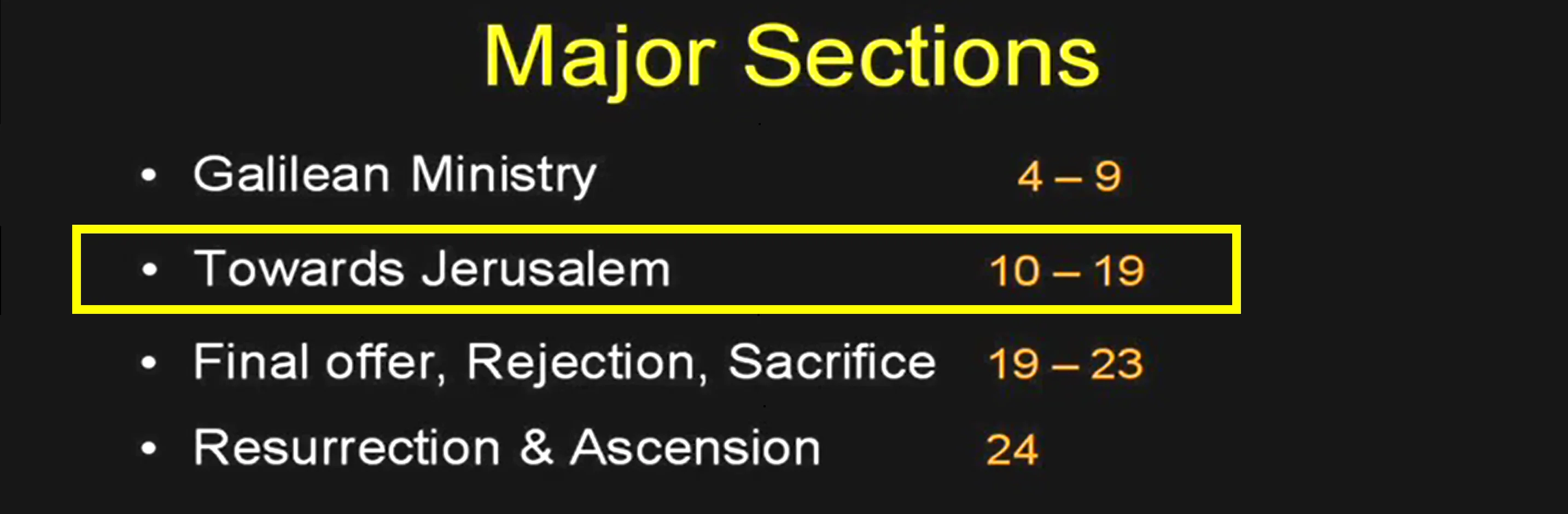

- Along the way to Jerusalem, Jesus is teaching His disciples, specifically, how to deal with rejection
— They are rejecting Him
— He wants disciples to understand what it is going to be like when they get rejected too
— We live in Christ rejecting world today
- Luke 13:22-35: Those excluded from the Kingdom
- Luke 14:1-17: Those included in the Kingdom

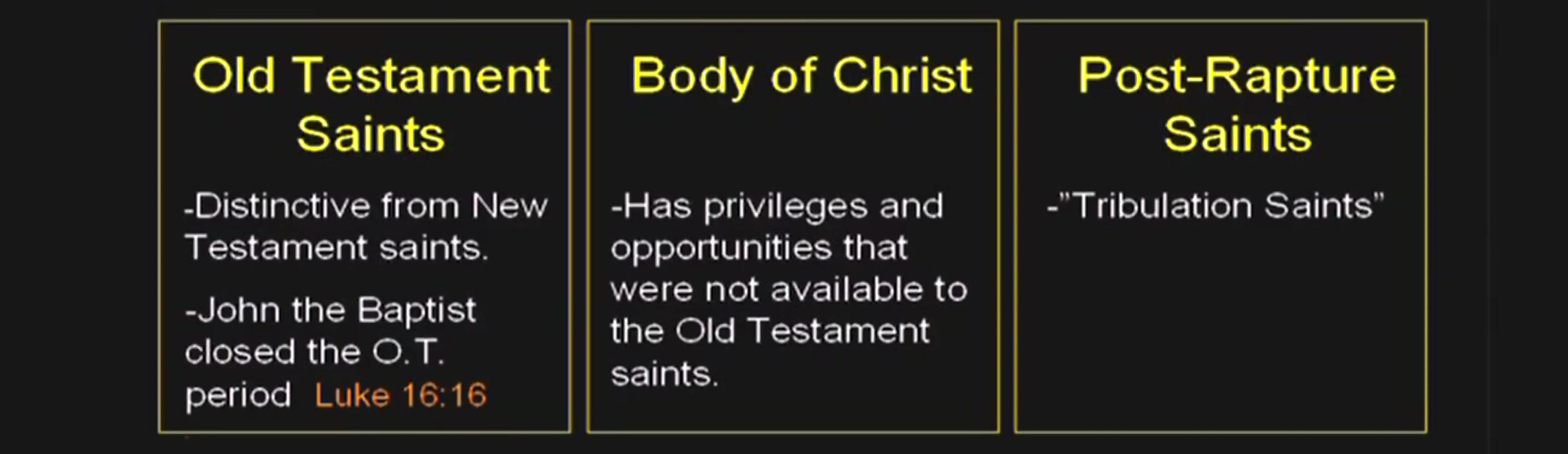
- Different groups of saints (saint = someone who has been set apart)
- Old Testament Saints
— John the Baptist is a “boundary” as he is the last of the Old Testament saints
— “The Law and the Prophets were until John;” (Luke 16:16)
— “Among them that are born of women there hath not risen a greater than John the Baptist…” (Matt 11:11)
— “Among those that are born of women there is not a greater prophet than John the Baptist…” (Luke 7:28)
— A remarkable comment by Jesus: No man born of women is greater than John — a wild endorsement of John
— Most scholars infer that the OT Saints will be resurrected at the 2nd coming of Christ (not included in Rapture)
- Body of Christ (Church, the Ecclesia)
— “…notwithstanding he that is least in the kingdom of heaven is greater than he.” (Matt 11:11)
— “…but he that is least in the kingdom of God is greater than he.” (Luke 7:28)
— An “elite” group about whom much is said, that is unique, distinctive (Paul’s epistles hammer this)
— In the OT, the Holy Spirit came and went (Saul is the best example, he had It, then he didn’t have It)
— In the NT, once the Holy Spirit is given, that is irrevocable (Rom 11:29) — He cannot be withdrawn
— Church is sealed by the Holy Spirit (Eph 1:13 — “…ye were sealed with that holy Spirit of promise”)
— Formal beginning is Acts 2 and terminus is the Rapture (does not mean the Holy Spirit is finished)
- Tribulation Saints
— People saved after the Rapture will not be in the body of Christ
— They miss the Bema Seat of Christ, the marriage of the Lamb (Rev 19:7) (wedding in Father’s House)
(wedding supper celebration happens on earth after Jesus sets up His Kingdom on earth, cf. Rev19:9, Isa 25:6-8)

- Most Christians when they get to Heaven are going to be disappointed
— Many of us have been thought that if you are saved, you are going to reign with Christ (not necessarily)
- Salvation — available to anyone, and simply by receiving Jesus Christ
— He did it all on the cross 2,000 years ago
— You are justified and your passport is stamped “not guilty” (innocent as far as the judgment bar of God)
— Cannot lose salvation, but can lose rewards or even be taken out of the game
- Reigning with Him — only if you participate with Him (not everybody — a subset group among saved)
— Part of the rewards, limited to participants only
— “…if so be that we suffer with him…” (Rom 8:17)
— “If we suffer, we shall also reign with him…” (2 Tim 2:12) suffer = endure (NASB)
— “But rejoice, inasmuch as ye are partakers of Christ’s sufferings; that, when his glory shall be revealed, ye may be glad also with exceeding joy.” (1 Pet 4:13)
- This issue is a huge debate among Christians, very controversial
— There is a difference between salvation and rewards, inheritance and rewards
— Inheritance includes something you cannot lose, your sonship for example (prodigal son)
— Rewards are part of the sanctification process, need to be earned (some don’t earn any)
- Contrary to His hearers’ expectations, Jewish outcasts and Gentiles will be included in the Kingdom
— Luke is emphasizing this part of Christ’s message

Luke 14:1 Jesus Heals Dropsy on the Sabbath
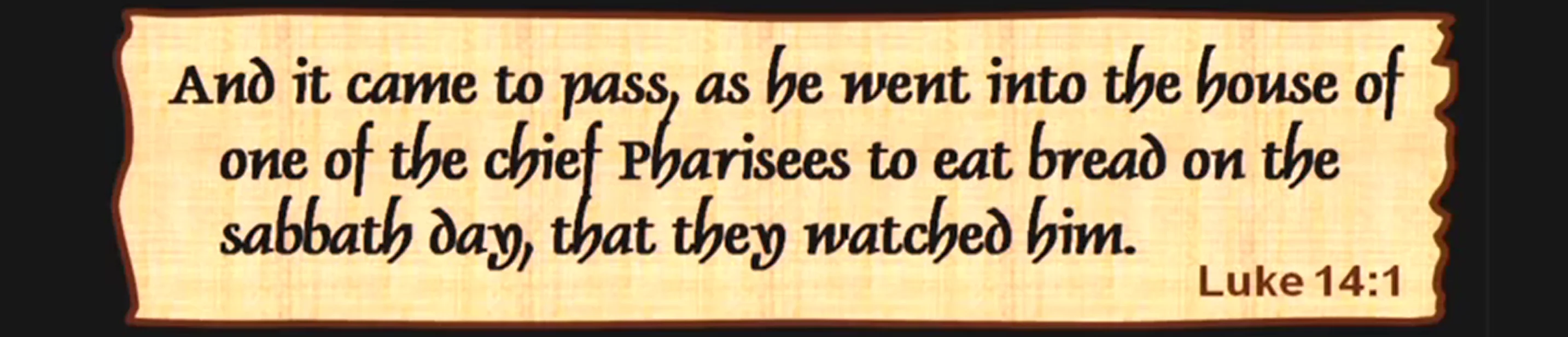
- “…one of the chief Pharisees” — Members of the Sanhedrin (“…one of the leaders of the Pharisees” NASB)
- Sabbath Day hospitality:
— An important part of Jewish life
— It was not unusual to receive an invitation to a home for a meal after the weekly synagogue service
— But this one though was an attempt to trap Him (but Jesus was never caught off guard)
- “They” are always watching
— You are always on parade, too
— We should begin each day with prayer that the day’s opportunities—seen and unseen—glorify Him
- Jesus’ severe denunciation of the Pharisees and scribes (Luke 11:39-52) only provoked them to retaliation
— They continually plotted against Him
Luke 14:2

- Dropsy is a condition of excess fluid in the tissues of the body (MEV: edema)
— Caused perhaps by a type of cancer or possibly liver, kidney or heart problems
- The man was probably invited to the Pharisee’s house as bait in a set up (“a plant”)
— If Jesus ignored the afflicted man, He was without compassion
— If He healed him, He was openly violating the Sabbath and they could accuse Him
— Remember, He had already “violated” their Sabbath traditions on (at least) six prior occasions
- 7 Sabbath Violations: (these were probably not the only seven, but heptadic structure is notably observable)
— Demoniac, in Capernaum (Mark 1:21-27)
— Peter’s mother-in-law, in Capernaum (Mark 1:29-31)
— Impotent man, in Jerusalem (John 5:1-9)
— Man with withered hand (Mark 3:1-6)
— Woman bowed together (Luke 13:10-17)
— Man born blind (John 9:1-14)
— As well as this man with dropsy here
- Jesus showed that He placed human need above mere external ceremonial observance of the Sabbath in all of these instances. He never did or said anything to suggest that He intended to take away from man the privileges afforded by such a day of rest

Luke 14:3
Luke 14:4

- In any case, they couldn’t heal anybody on any day and everybody knew it
Luke 14:5-6
- KJV: “ass”, MEV “donkey”, but NASB “son”
- Jesus was setting the stage for the discussion to follow concerning those who were considered ceremonially unclean and therefore unable to enter the kingdom

Luke 14:7-8 Parable of the Wedding Feast
Luke 14:9
Luke 14:10
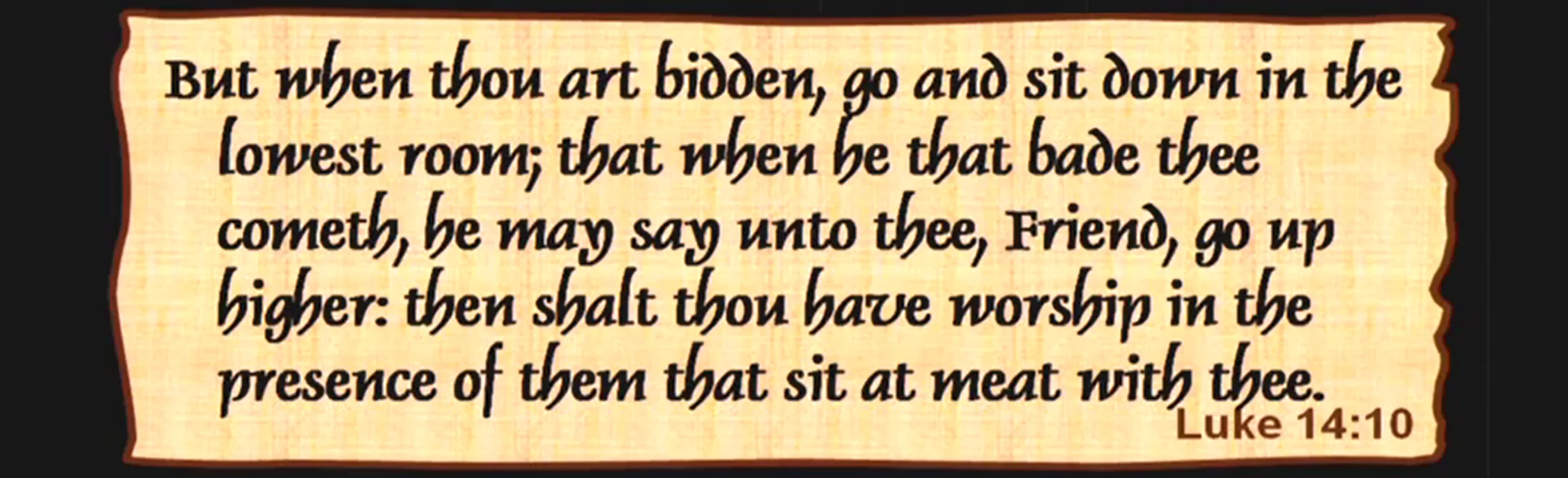
- KJV: “…then shalt thou have worship…”
— “…then you will have honor in the sight of all who recline at the table with you.” LSB
— “…Then you will have respect in the presence of those who sit at dinner with you.” MEV
- This does not occur today in our informal way of eating (but it does in formal, diplomatic situations)
Luke 14:11

- The first will be last and the last will be first (Luke 13:30)
- Looking around, Jesus noticed how the guests picked the places of honor. The closer a person was to the host, the greater was that guest’s position of honor. As people entered the room in the Pharisee’s house where the table was spread, they must have scrambled for seats at the head of the table. The parable Jesus then told was designed to get them to think about spiritual realities in relation to the kingdom message He had been preaching
- “Try not to become a man of success, but try to become a man of value.” —Albert Einstein
— Instead of success, seek significance. They are not the same thing
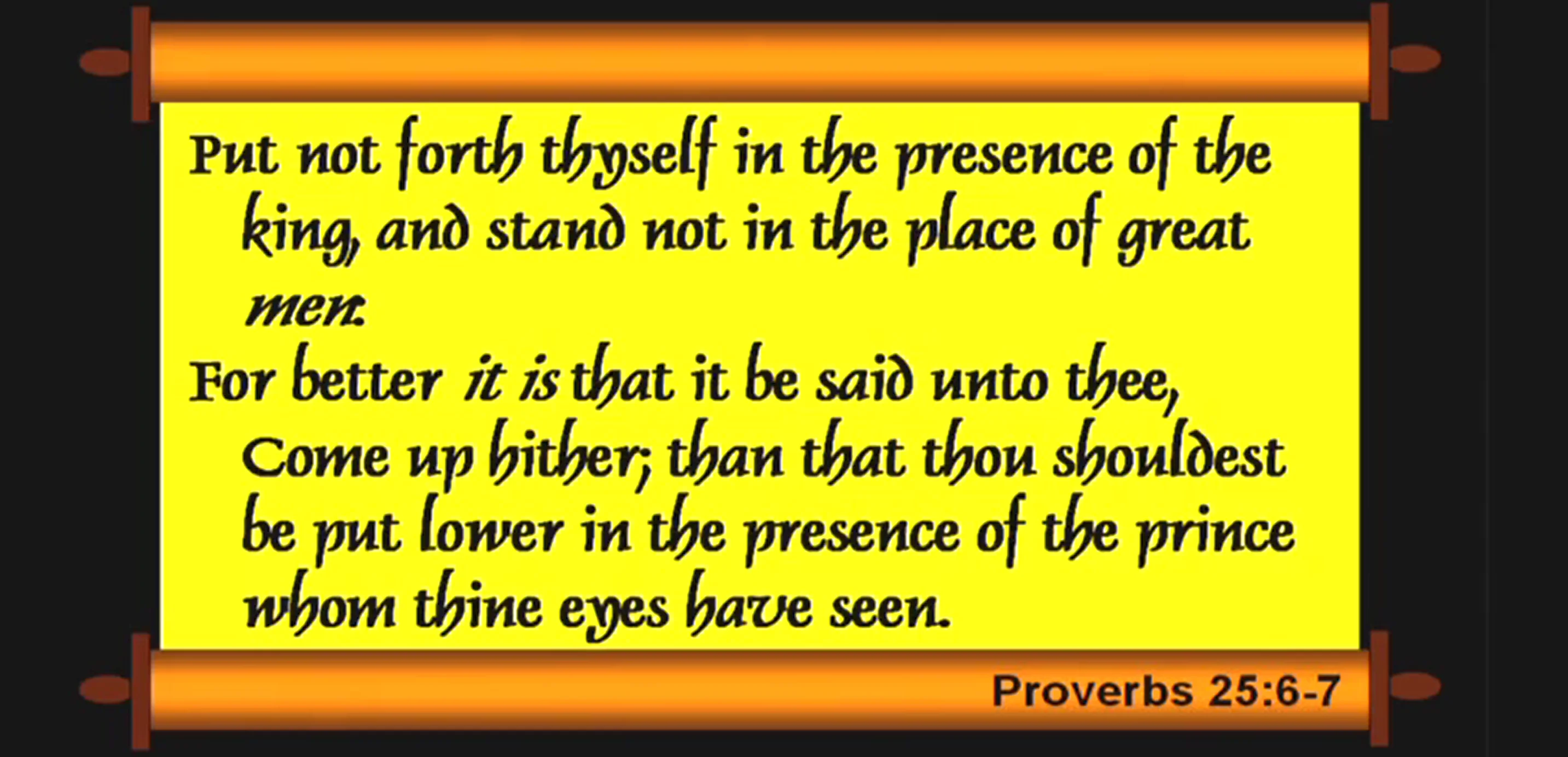
🪑 Prov 25:6-7

Luke 14:12

- Jesus warns us against entertaining exclusively family and friends whom will return back the favor
Luke 14:13

- Minister to them for the Lord’s sake (Matt 6:1-18, James 1:26-27) — Proper Hospitality
— Inviting the outcasts would not make a man righteous, but it would testify that he is righteous (cf. James)
Luke 14:14
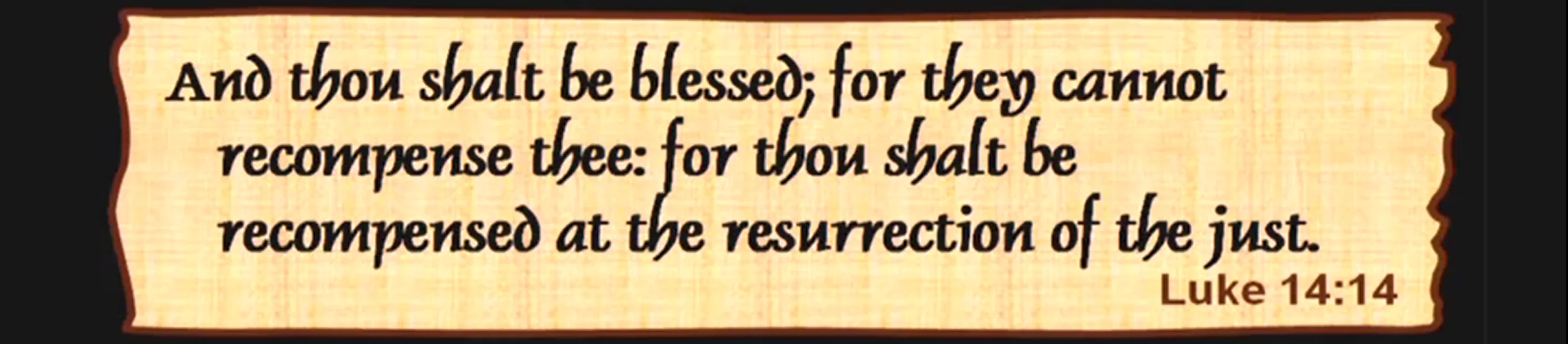
- “…thou shalt be recompensed at the resurrection of the just.” KJV
- “…it will be repaid to you at the resurrection of the righteous.” LSB
Luke 14:15
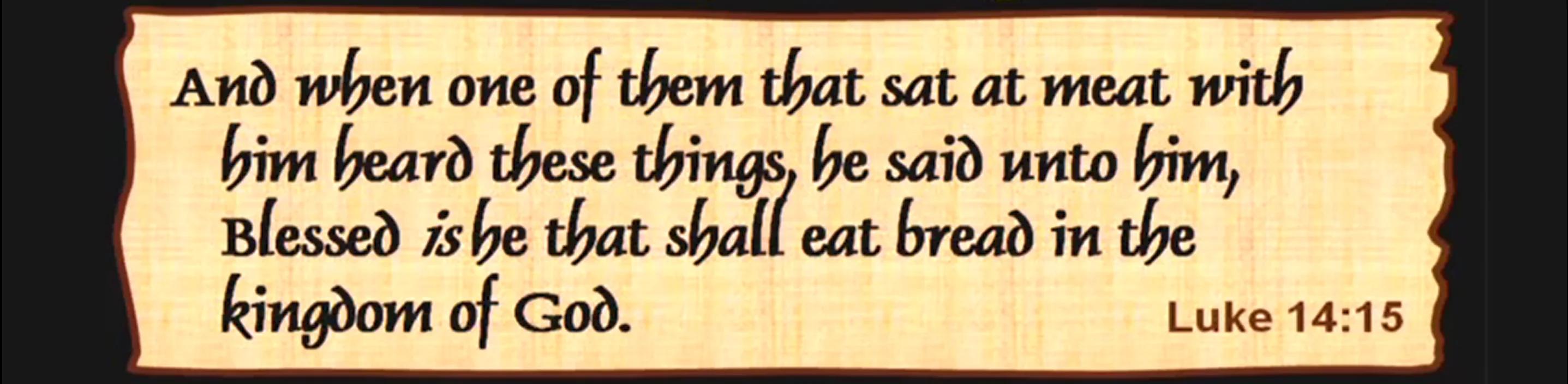
- Jewish people pictured their future kingdom as a great feast with Abraham, Isaac, Jacob and the prophets as honored guests (Luke 13:28, Isa 25:6, Cf. Matt 22:1-10)


Luke 14:16 The Parable of the Great Banquet (MEV)

- Cf. the previous verse: “…Blessed is he that shall eat bread in the kingdom of God.” (Luke 14:15)
— This person was assuming that he and the other people present would all be present in the kingdom
— Jesus took the opportunity to use the feast motif to explain that many of the people there would not be present in a feast in God’s kingdom
— This parable does not sit in isolation. It is rather a continuation of the previous discussion and especially a response to the comment made at the end of verse 15 (likely by a Pharisee)
Luke 14:17

- The host sent his servants to each of the invited guests to tell them that the banquet was ready (cf. Esther 5:8, 6:14)
— Representing Jewish leadership in Jerusalem and Judea (Pharisees, scribes and lawyers)
— They insulted the host with feeble excuses…
Luke 14:18

- Did he buy the land without seeing it? Of course not, it’s a feeble excuse
- Banquets (suppers) are held at night — is he going to go to see the land that late in a day?
Luke 14:19
- Did he not check the 10 oxen before he paid for them? Of course not, it’s a feeble excuse
- This refers to a substantial investment in agriculture, symbolizing wealth, status and worldly distraction
— It represents the prioritization of material pursuits and economic responsibilities over spiritual obligation
Luke 14:20

- Having a new wife could have kept the man from the battlefield but not from a banquet (Deut 24:5)
Luke 14:21
- Jesus was referring to those members of the Jewish community who were considered inferior and ceremonially unclean as was the man with dropsy he had just healed (vv. 2-4)
Luke 14:22-23
- These people outside the city were probably Gentiles, those outside the covenant community
— Jesus had instructed them:
🌍 Acts 1:8
- That’s the pattern encountered in Acts:
— They start in Jerusalem
— Move throughout the region of Judea — Jews
— In Acts 8:4 (“Philip went down to the city of Samaria”), the door was opened to Samaritans
— In Acts 10 (“a certain man in Caesarea called Cornelius”), the door was opened to the Gentiles
- It spreads out, like concentric circles

Luke 14:24

- Invited is not the same as invitation being accepted
— Gospel is shared with people, yet they come up with lame excuses
— Salvation thru Jesus Christ is offered as a free gift, yet people reject it
— The expectation to end up in Heaven is strong nevertheless (based on false beliefs)
- This parable at a banquet about another banquet reinforced His previous teaching that He would abandon Jerusalem (Luke 13:34-35)
— Jesus knew that Jerusalem (representing Israel) would reject Him before He rode that donkey and He was not fooled by their shallow acceptance of Him as Messiah
- The people who originally had been offered a share of the kingdom had rejected it
— So, now the message was going out to others including the Gentiles
— (That’s one of the reasons we have Luke’s Gospel, because the other 3 were Jewish)
- Nothing is so important as accepting His offer of the kingdom
— For one’s entire destiny rests on his response to that offer
- The irony is that the concept of the kingdom is denied by most of the churches
— The Kingdom, the Throne of David, is promised to Mary in Luke 1:32
— The pivotal event in Acts 15 — The Council of Jerusalem — James quotes Amos 9:11 “In that day will I raise up the tabernacle of David that is fallen…” — the tabernacle of David is going to be reestablished (that’s a palace of the King, not the Temple of Solomon) (cf. Acts 15:16)
— There is a Kingdom coming and it’s a kingdom on the earth, set up by Jesus Himself
— Daniel confirms that by interpreting Nebuchadnezzar’s Dream: the 5th Kingdom setup by God (Dan 2:44) is going to be like the previous four: it will have a geography, a capital, subjects etc
— Allegorizing all this misses the point
🛕 Isaiah 55:6

🛕 Proverbs 1:24-26
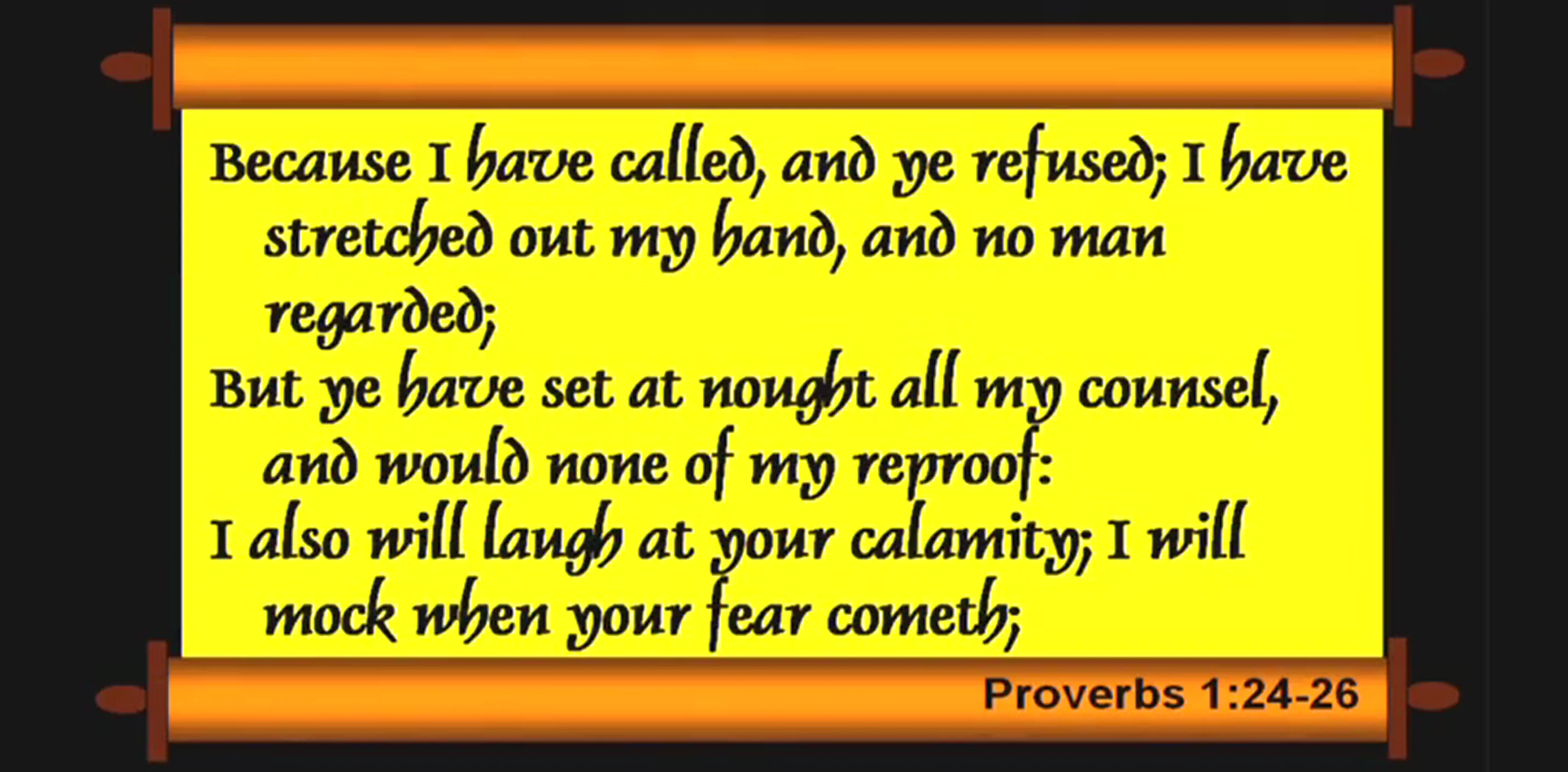
🛕 Proverbs 1:27-28
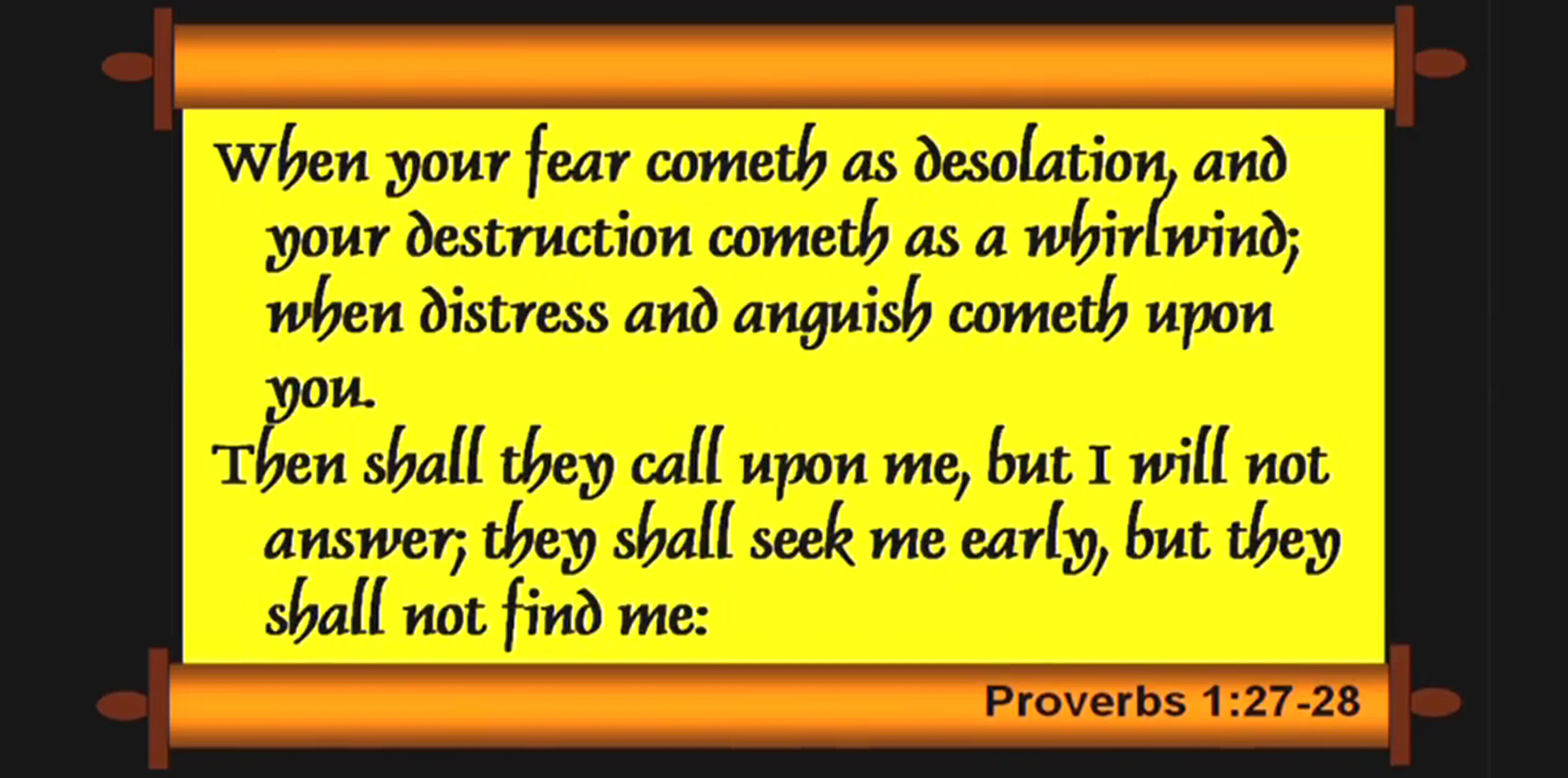
- There comes a time when the door is closed 🚪
🛕 Proverbs 1:29-31

- Judgement comes upon them ⚔️
🛕 Proverbs 1:32-33
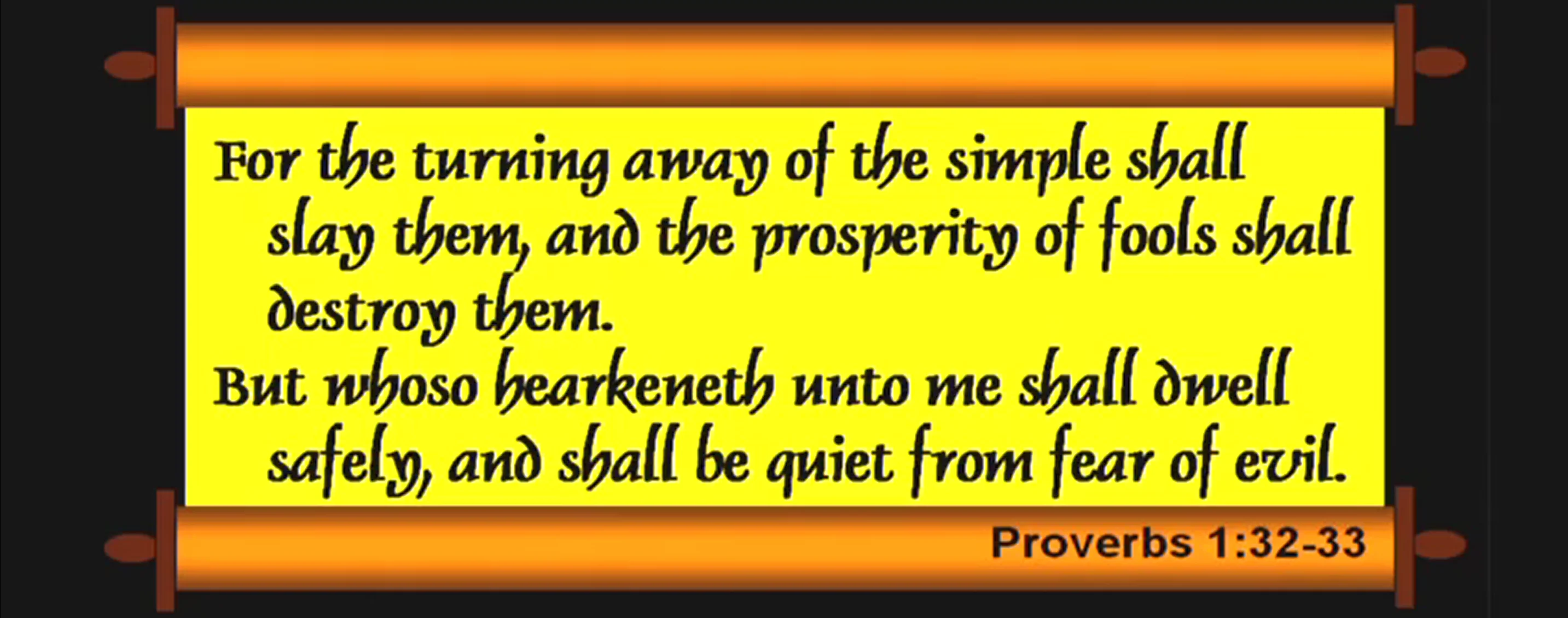
- These give a solemn warning that we should not treat His calls lightly
— People today make the same mistake: they delay in responding and settle for the second best
— The excuse makers were viewed as successful people in the eyes of their friends
— But they failed to deal with their eternity…
- Our Host’s door is still open:
⛲️ Revelation 22:17

- That is so gracious, so open, you don’t want to be presumptuous
- Joshua Aaron 🎶 SPIRIT AND THE BRIDE (Say, COME!) 🔴 LIVE at the GARDEN TOMB, Jerusalem

- This next section highlights the distinction between salvation and discipleship:
— Salvation is available to all who will come by faith. It is based on what He has done
— Discipleship is for believers willing to pay the price — there is a cost
- Not all who are saved are called to be disciples
- “Disciple” — a learner, an apprentice, one who attaches himself to a teacher
— This word is used 264 times in the Gospels and Acts (24 x 11)
- Each of us may face:
— a “Jerusalem” (a place of rejection)
— a “Gethsemane” (an anguishing time of prayer) or
— a “Golgotha” (persecution and tribulation)
— …appointed for us in the will of God
— These things may lie ahead — are you ready for that?
- Like our Savior, we too must set our face “like a flint”: (sharp focus on the task at hand)
↩️ Luke 9:53

- This leads to v. 62: “…No man, having put his hand to the plough, and looking back, is fit for the kingdom of God.” (Luke 9:62)
🌟 Isaiah 50:7
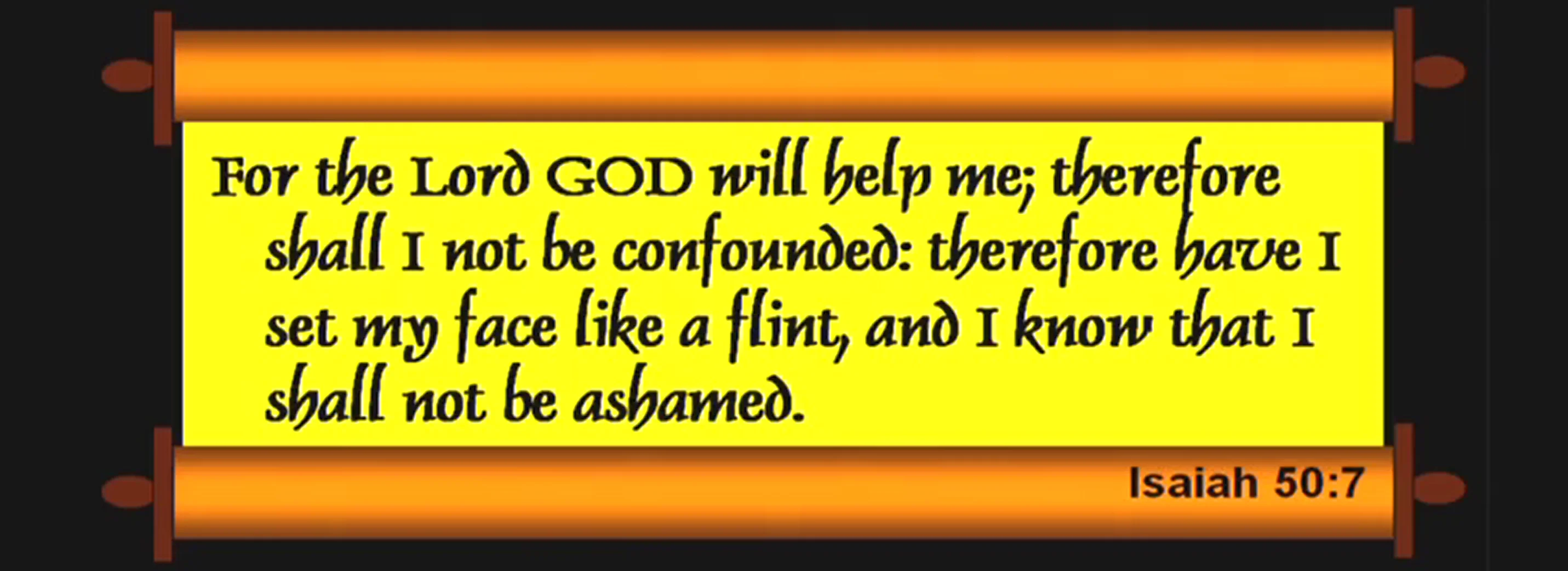
- “…set my face like a flint” — do you do that?
— Are you committed to following Jesus wherever it may lead?

Luke 14:25 The Cost of Discipleship

- The setting has now changed: large crowds were traveling with Jesus
— Jesus intended to impress on the people their need to examine their resolve to follow Him
— He deliberately thinned out the ranks
- It is one thing to “fill the house”
— it is another to find those who are really willing to pay the price of discipleship (cf. Gideon: 32,000 to 300!)
- He was on His way to die on the cross
— Ultimately everyone did desert Him. At the end, He was alone in the garden and then arrested and put on trial
Luke 14:26
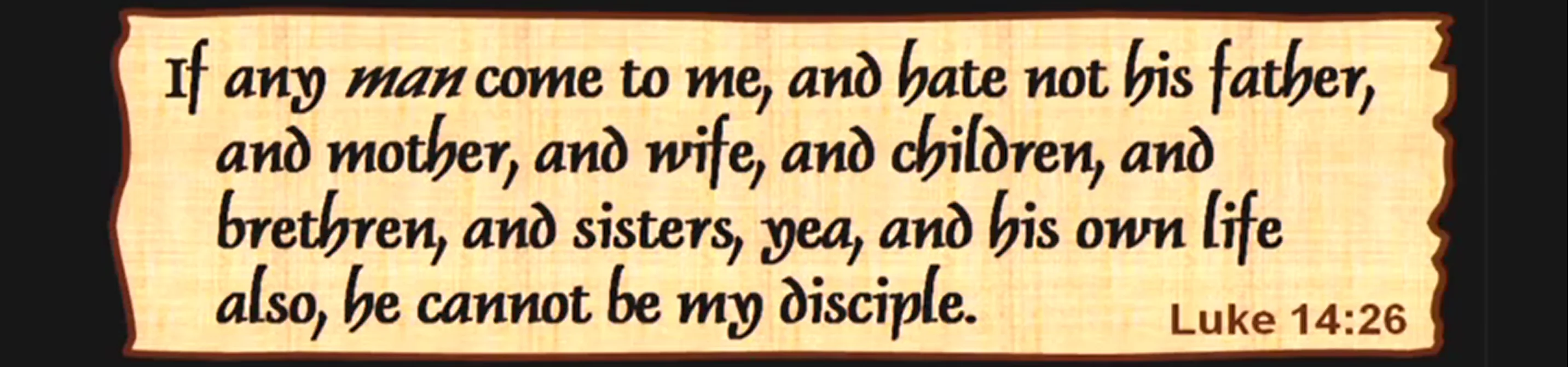
Luke 14:27

- Wait a minute — this is Luke 14 — “…cross” hasn’t happened yet!
— Strange to allude to the cross already… it is only coming…
— Jesus uses the cross metaphor well in advance of the event
— Cross was not a Jewish thing in the first place — they kill by stoning
- What does it mean “to carry the cross”?
— To carry the cross means daily identification with Christ in shame, suffering and surrender to God’s will
— It means death to self, to our own plans and ambitions and a willingness to serve Him as He directs
— That’s the whole package. That’s the calling
— You don’t do that to get saved. It implies you are already saved, then you are called
— Cf. John 12:23-28
✝️ Rom 8:17
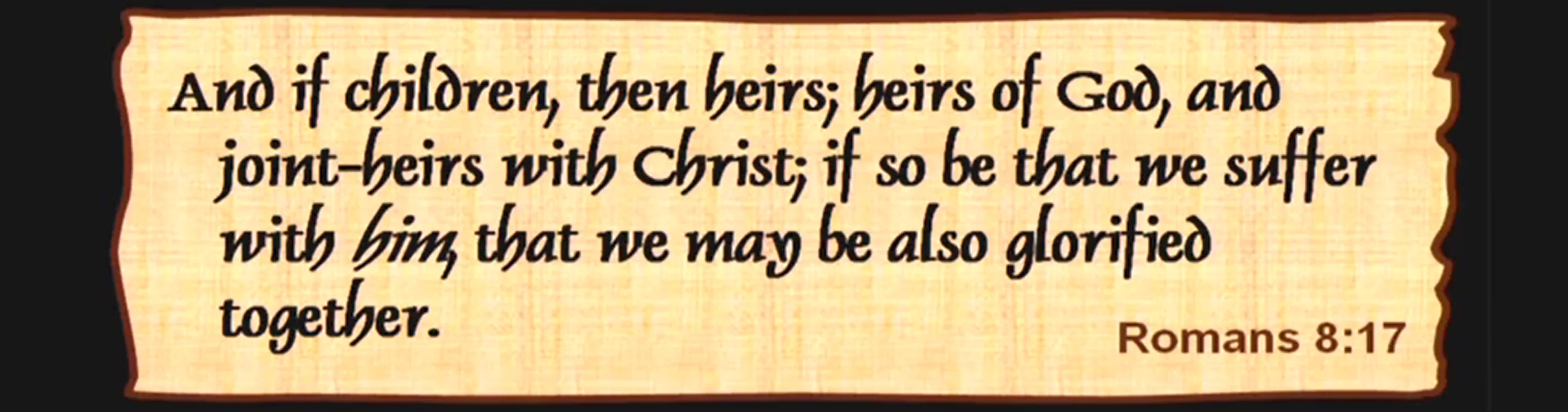
- “…if so be that we suffer with Him” — you are heirs with Him IF so be… — you need to be a participant
✝️ 2 Cor 1:7

- “…partakers” = κοινωνός (koinónos): partakers, partners, intimate companions
- Jesus then used three illustrations to dramatize that discipleship must include planning and sacrifice:
— Tower builder (vv. 28-30)
— King in a battle (vv. 31-32) and
— Tasteless salt (vv. 34-35)
✝️ Heb 3:14
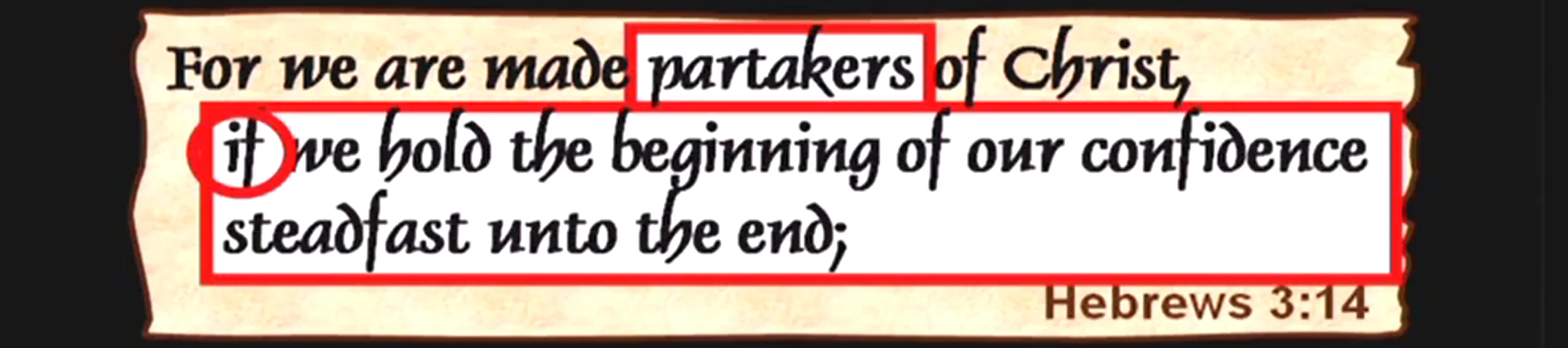
- “…partakers” = μέτοχος (metochos, pl metochoi): one who shares in, companion, comrade
— partner (in a work, office or dignity)
— koinonos is the office, metochoi is the guy that occupies that office
- There is a word “if” — there is a condition: you can be a partaker of Christ IF you meet the condition
— you must finish the race that you’ve started
- What is it that we must hold “steadfast unto the end”?
— your faith and your commitment to Him, all the way through
- How to become a Metachoi?
— all Christians will be in the kingdom, but not all will be co-heirs there
— cf. Chuck & Nancy’s book: Overcomer’s Handbook — Kingdom, Power & Glory
Luke 14:28
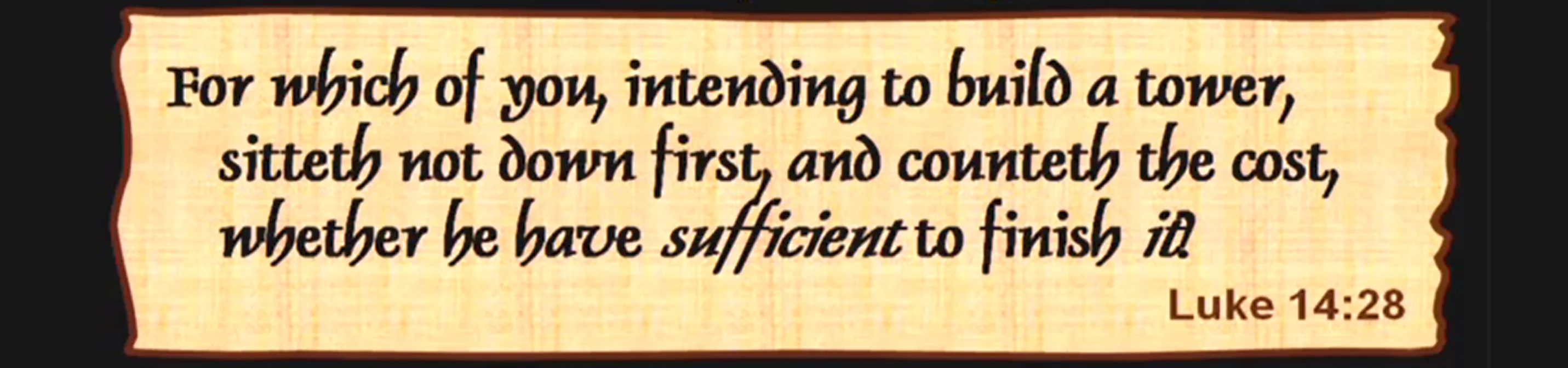
- Planning is not an “unchristian” activity
— Many people misunderstand Jesus in Matt 6:34
📆 Matt 6:34

- He is talking about worrying; He is talking about apprehensions
— We are to be anxious for nothing… (Phil 4:6)
— Planning is simply understanding “the futurity of today’s decisions”, not forecasting the future (cf. Luke 12:22)
— Planning is about future implications of the decisions made in present
— Competent stewardship requires planning (planning is a foundation of good stewardship)
— That includes your spiritual life. Where are you going to be spiritually a year from now?
➾ Will you be where you’ve just drifted?
➾ Or will it be a result of undertaking a systematic study of the Word of God?
➾ Studying the Word of God is a lifetime endeavor
Luke 14:29-30
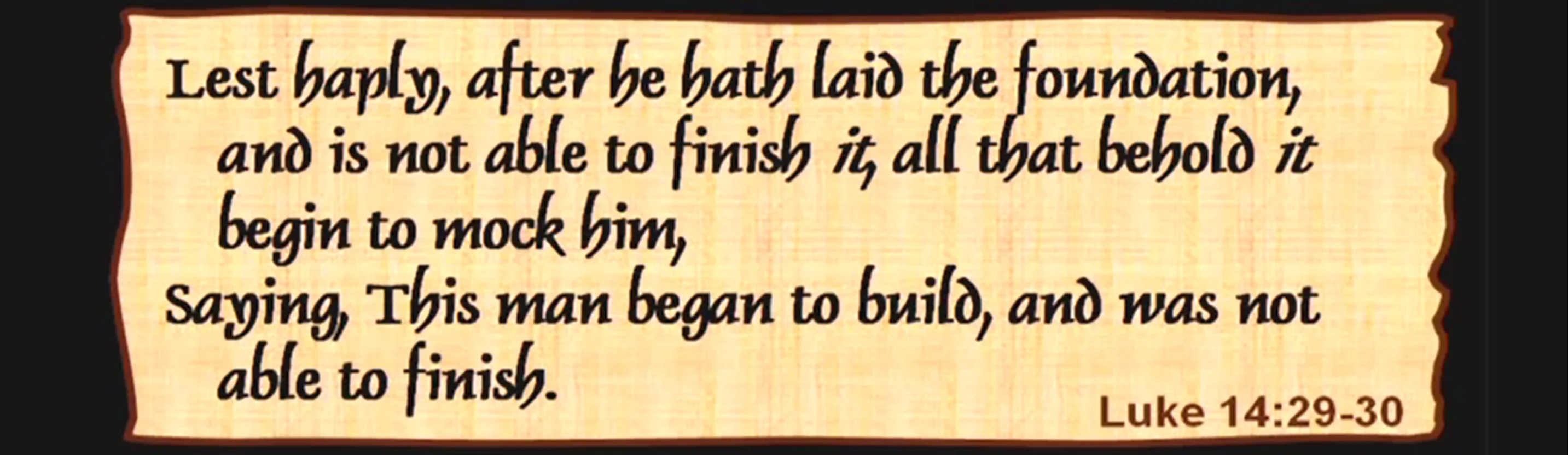
- “…haply” — an archaic literary adverb meaning "perhaps", "by chance" or "by accident"
- Finishing well is the essential thing
— Like Paul, we would like to declare:
🏆 Acts 20:24
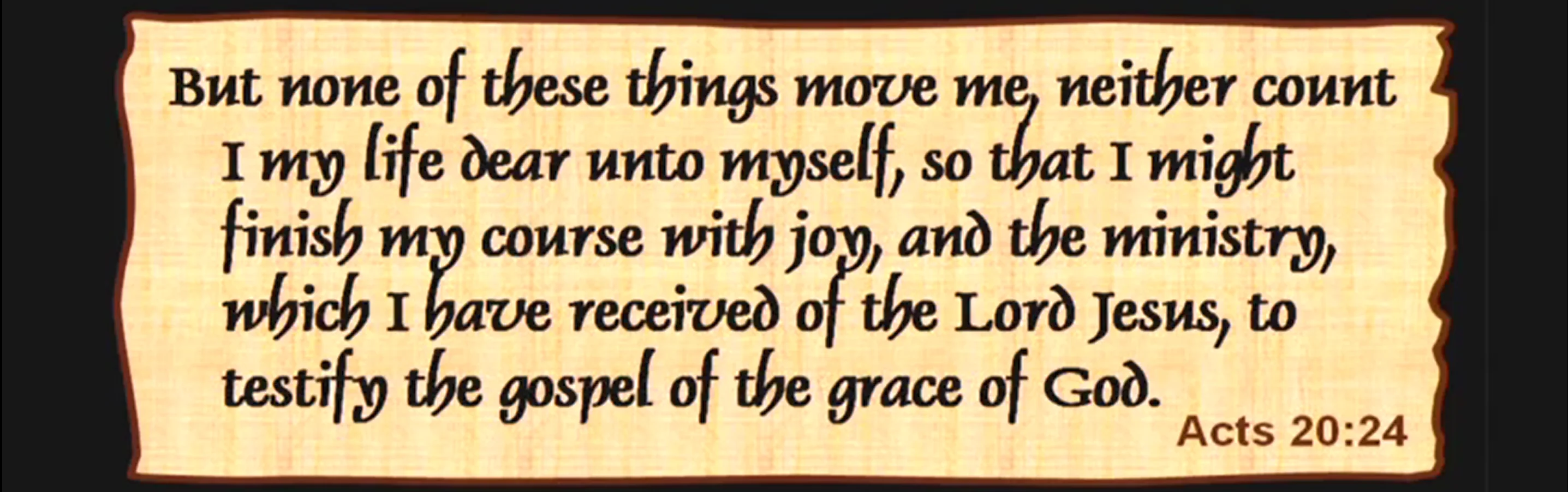
- The goal was to finish well. For salvation? — no, but for inheritance and rewards!
— Inheritance is a reward for faithfulness (beside aspect that cannot be lost, like sonship)
— Many people teach that everybody is going to be equal in Heaven. I don’t think so. There are a lot of parables just to the opposite. Even the responsibilities and authorities in the Millennium will derive from our faithfulness now
— Timothy Lin (1911-2009, aged 98) is China-born pastor and Old Testament scholar and one of the primary influencers in the Chinese Theological world, compatible with Chuck’s teachings (Chinese Christians call today a kingdom of preparation and Millennium a kingdom of inheritance)
🏆 2 Tim 4:7

- That’s Paul’s confidence of his performance ⭐⭐⭐⭐⭐
— He is not saved by his performance, but he is rewarded for his performance
Luke 14:31
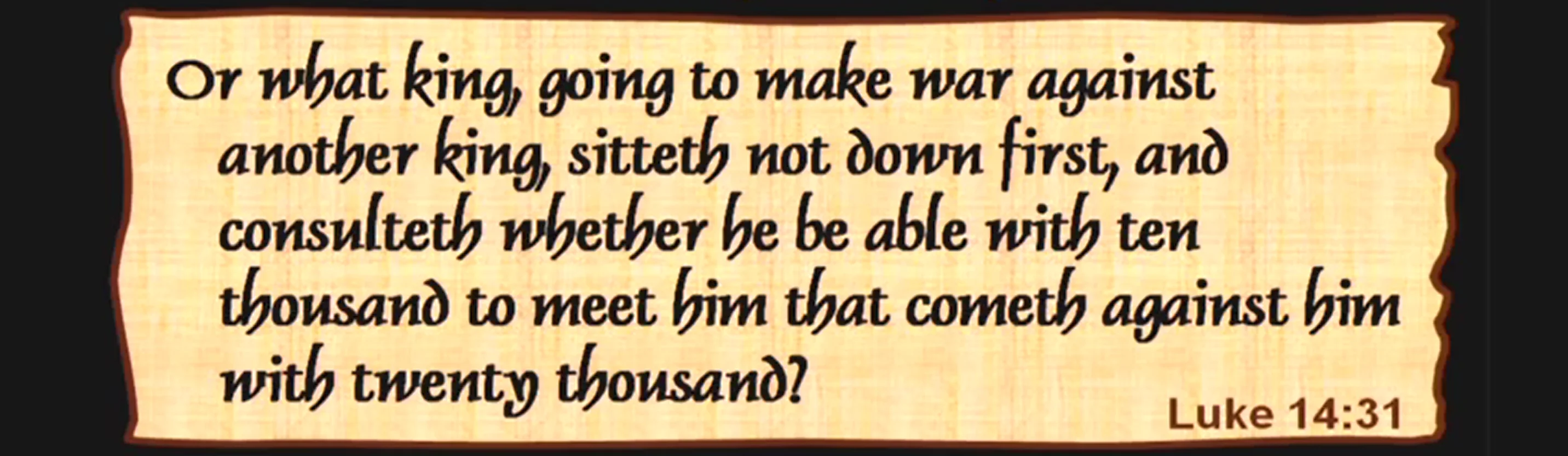
Luke 14:32

- The king should be willing to sacrifice a desired victory if he senses he is unable to win
Luke 14:33

- “…forsaketh all that he hath” — a death to self
- This principle of sacrifice is also important in the realm of discipleship:
❤️ one must be willing to give up everything for Jesus ❤️
- Evangelist said: If you are not willing, are you willing to be made willing?
- G. Campbell Morgan sees the tower builder and the king as Jesus: (Chuck doesn’t quite see it that way)
— He is the One who must “count the cost” and determine whether we are the kind of material He can use to build the church and battle the enemy. He cannot get the job done with half-hearted followers who will not pay the price
- Are you fully committed to Jesus? Think about it, pray about it, answer to Jesus

Luke 14:34 Tasteless Salt (MEV)

- Jesus had already told His disciples that they were “the salt of the earth” (Matt 5:13):
— Salt was a preservative
— Salt was a purifying agent (separating the bad from the good)
— Salt adds flavor to things (life is rich and full with Christ and certainly empty and vain without Him)
— Salt makes people thirsty (Chuck loves the compliment given to him that he makes people thirsty for the Word of God as he engenders appetite and passion for the Word of God)
- So are we to be! Each of these qualities, for the kingdom
Luke 14:35

- Climax of Jesus’ Teaching here:
— Salt is good only as long as it contains the characteristics of saltiness
— If it loses its saltiness, it has no value at all and is thrown out into the streets and walked on
— The same is true of disciples. They must contain the characteristics of discipleship — planning and willing sacrifice — or they are of no value at all
— Discipleship is serious business: unconditional, unwavering and unreserved devotion and commitment!

